
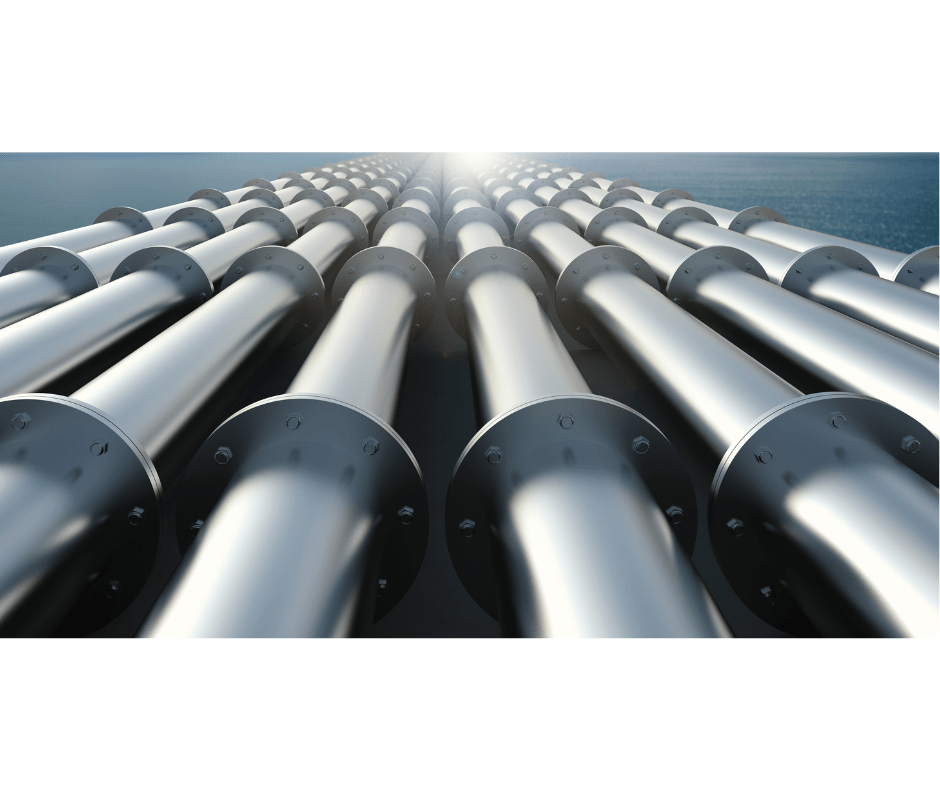
The American Petroleum Institute (API) and the Association of Oil Pipe Lines recently released their annual 2021 Pipeline Safety Excellence Performance Report, which found that the safety of liquids pipelines increased across several key indicators. Thanks to an industry culture of “safety first, safety always” and a commitment to zero-incident operations, liquids pipeline incidents impacting people or the environment have declined by 31 percent over the past five years, even while pipeline mileage and barrels per day have increased nearly 10 percent.
“Liquids pipelines perform the vital role of delivering U.S. produced energy to American consumers. The additional U.S. crude oil production we need to increase American energy security and supplies will flow by pipeline,” API-AOPL Pipeline Safety Excellence Steering Committee Chair and President of Phillips 66 Pipeline Todd Denton said. “This year’s performance report on industry-wide pipeline safety metrics shows pipelines are safe and getting safer.”
“Thanks to industry initiatives and best practices, pipeline operators are working every day to strengthen safety and reduce incidents while providing Americans the fuels they need,” said API Vice President of Midstream Policy Robin Rorick.
“The government’s own data shows liquids pipelines are getting safer,” said Andy Black, AOPL President, and CEO.
The 2021 report shows that in the past five years, liquids pipeline safety has increased across several key performance indicators identified by federal and state regulators, industry operators, and public safety advocates. Comprehensive safety management systems and robust safety programs, including advanced inspection and leak detection technologies, help operators safely deliver energy to Americans every day. Based on data tracked and maintained by the U.S. Department of Transportation’s Pipeline and Hazardous Materials Safety Administration (PHMSA) from 2017 to 2021:
- Liquids pipeline incidents impacting people or the environment decreased 31 percent over the last five years and total pipeline incidents decreased by 17 percent, even while pipeline mileage and barrels per day have increased nearly 10 percent.
- Pipeline incidents impacting people or the environment caused by corrosion, cracking or weld failure decreased 32 percent over the last five years.
- Operations and maintenance incidents impacting people or the environment declined 34 percent between 2017 and 2021.
The Performance Report also includes the 2020-2022 Strategic Plan, which describes industry-wide safety improvement efforts to promote organizational excellence, harness technology, and innovation, increase stakeholder awareness and engagement, and improve emergency response preparedness. Through a commitment to continuous improvement and a culture of safety, pipeline operators are working every day to protect the communities and environment where they live and work.
The natural gas and oil industry has a long history of promoting safe operations, and API has been setting standards since 1924 to promote safety, environmental protection, reliability, and sustainability through proven engineering practices. API has published 35 technical documents that are specifically applicable to pipeline and related facilities contributing to the safety of workers, the environment, and surrounding communities.
The 2021 API-AOPL Pipeline Safety Excellence Performance Report and 2020-2022 Strategic Plan are available at api.org.
API represents all segments of America’s natural gas and oil industry, which supports more than 11 million U.S. jobs and is backed by a growing grassroots movement of millions of Americans. Our 600 members produce, process, and distribute the majority of the nation’s energy, and participate in API Energy Excellence®, which is accelerating environmental and safety progress by fostering new technologies and transparent reporting. API was formed in 1919 as a standards-setting organization and has developed more than 800 standards to enhance operational and environmental safety, efficiency, and sustainability.
AOPL represents liquids pipeline owners and operators transporting crude oil, petroleum products like gasoline, diesel, jet fuel, home heating oil, and industrial products like propane and ethane.
For more information, please visit www.api.org.
Source: American Petroleum Institute