
Texas’ high-speed train ended 2018 with remarkable progress, putting Houston and the rest of the state another step closer to a dynamic and much-needed transportation choice.
It is estimated that more than 1,100 people are moving to this great state every day, drawn by our economic dynamism and ability to elevate problem-solvers willing to take on the thorniest issues in bold and creative ways.
Houston and North Texas are the dual engines driving this growth, thanks to our encouraging, entrepreneur-friendly cultures. While this unprecedented growth has been a blessing, Texas must tackle emerging transportation and infrastructure issues if we hope to remain an attractive destination in the years to come.
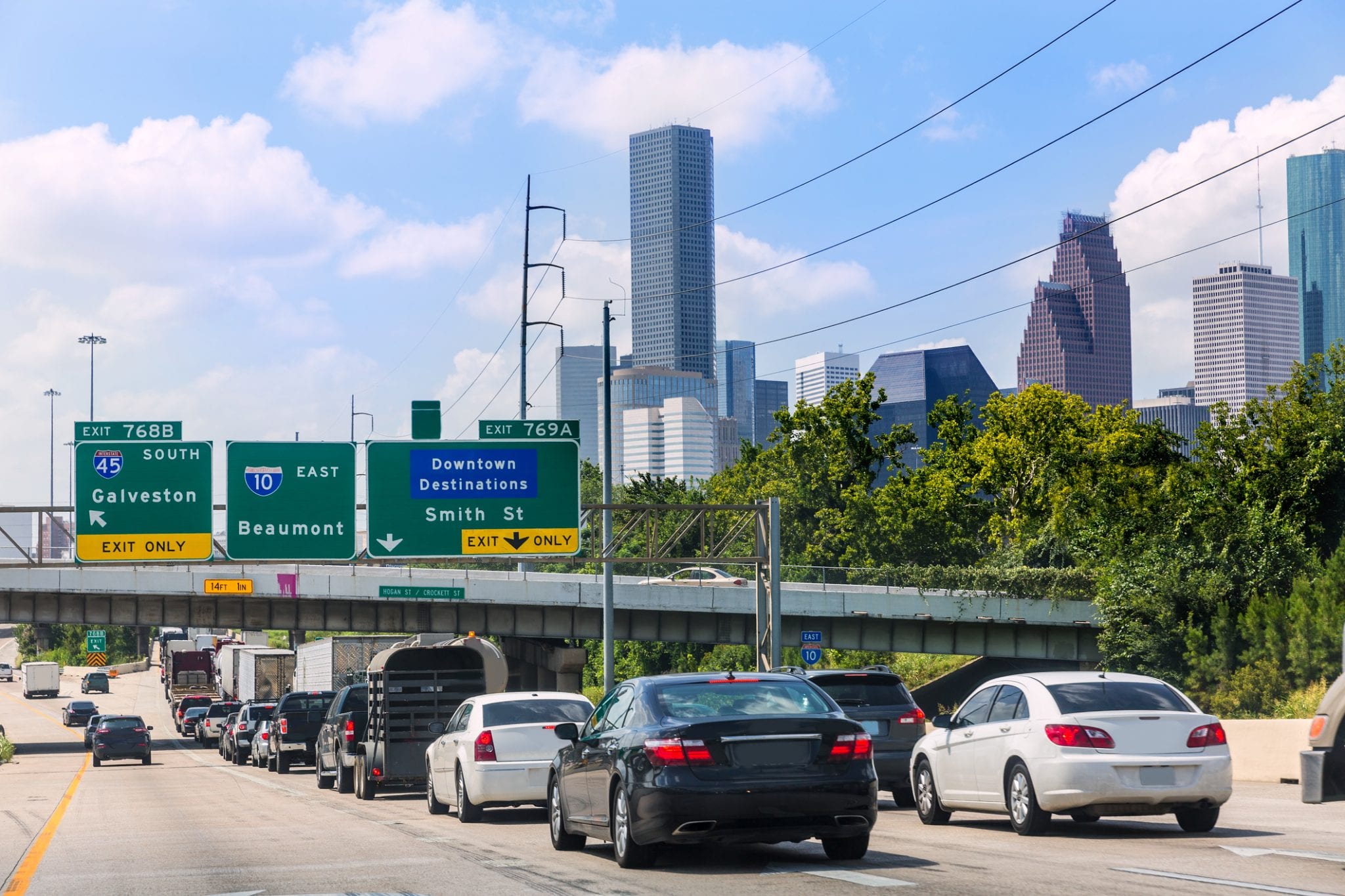
Interstate 45 — the massive highway that links our economic and commercial hubs — is a prime example. In addition to being perpetually traffic-clogged, this vital artery is routinely ranked as one of America’s deadliest highways.
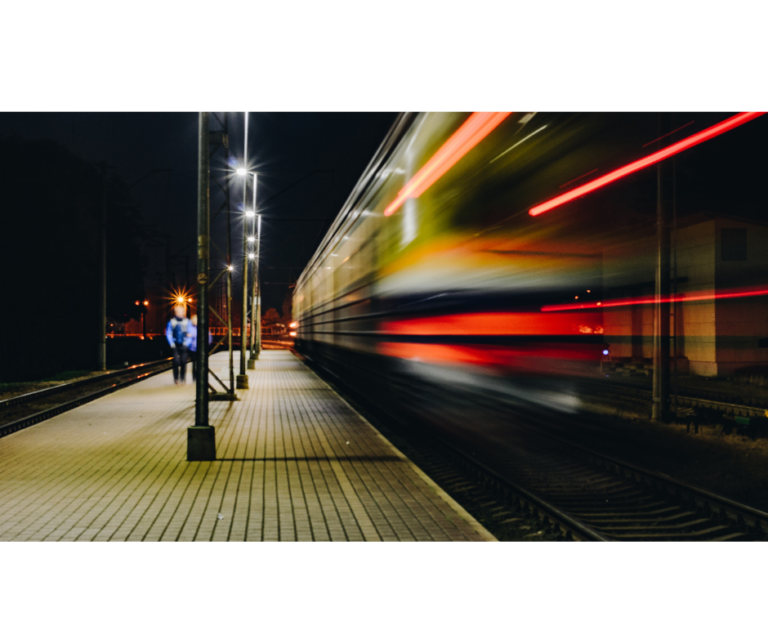
Texans deserve an alternative that’s fast, safe and reliable — a high-speed train running between Houston and North Texas, with a midway stop in the Brazos Valley. This 200-mph train will link the top metro areas in 90 minutes while generating widespread benefits for communities along the route.
In addition to bringing the two most populated urban areas in Texas closer together, the high-speed train will be an engine for economic growth. It will directly create 10,000 jobs during each year of construction, and 1,500 permanent, highly trained positions once fully operational.
Over 25 years, the project is expected to add more than $36 billion directly into state and local economies. Texas Central expects to pay taxes going to counties, cities, schools, hospital districts and other entities along the route. It will not take state or federal grants for operations or construction. Like any other private business, it will contribute to communities and decrease the burden on individual taxpayers.
Independent research shows that more than 16 million people travel between Houston and North Texas each year, and the number is growing. This is in an area where four counties are already air quality non-attainment status. Economic development groups have recognized the train’s positive, differentiating impact to help relieve the strains on existing infrastructure and accommodate growing demands.
In Houston, whose official seal boasts a train engine as a symbol of progress, the preferred site of the new passenger station is the Northwest Mall, in a high-growth area with easy access to employment centers, including the Galleria, the Energy Corridor and downtown. The station not only will be a catalyst for economic development, but it also will offer convenient, efficient and direct access for passengers to and from local transit systems.
Texas Central has hit all of its financial milestones, including securing equity— most coming from Texans — and an interest-bearing loan that will provide enough funding for all activities required for the project to reach financial close. The project is moving ahead on permitting, design and engineering, as well as other early works needed to launch construction.
Contrary to what others have said, Texas Central is a bona fide railroad company and electric railway, overseen by federal regulators in helping to determine the train’s most advantageous route between Texas’ major commercial centers.
Unlike California, which just announced that it is scaling back its government-financed high-speed train network, Texas Central is taking a fundamentally different approach, one driven by data and disciplined by the free market. It is led by entrepreneurs, an investor-owned infrastructure project being developed without government grants or operational subsidies.
We know the market and economics between North Texas and Houston match those of successful train systems globally, and we are confident that the Texas line will provide the revenue to sustain the operations, repay the debt and provide a return to the investors.
Other recent highlights include bringing on board global industry leaders: international railway company Renfe is the train’s operating partner; multinational firm Salini Impregilo — operating in the U.S. market with The Lane Construction Corporation — is leading the civil construction consortium that will build the train; and Bechtel, with operational headquarters in Houston, is on Texas Central’s project management services team.
I am excited to be leading a project that leverages the capital and spirit of entrepreneurs instead of relying on taxpayer dollars. The Texas Central business model could provide the pathway for similar projects, a cooperative, free-market approach in which critical projects are built in months and years, not decades, and in a manner that doesn’t encourage wasteful spending.
By meeting the mobility needs of our booming state and solving our most pressing problems in a smart way that adheres to Texas values of self-reliance and entrepreneurship, the high-speed train represents a true game-changer for all.
Source: Texas Central