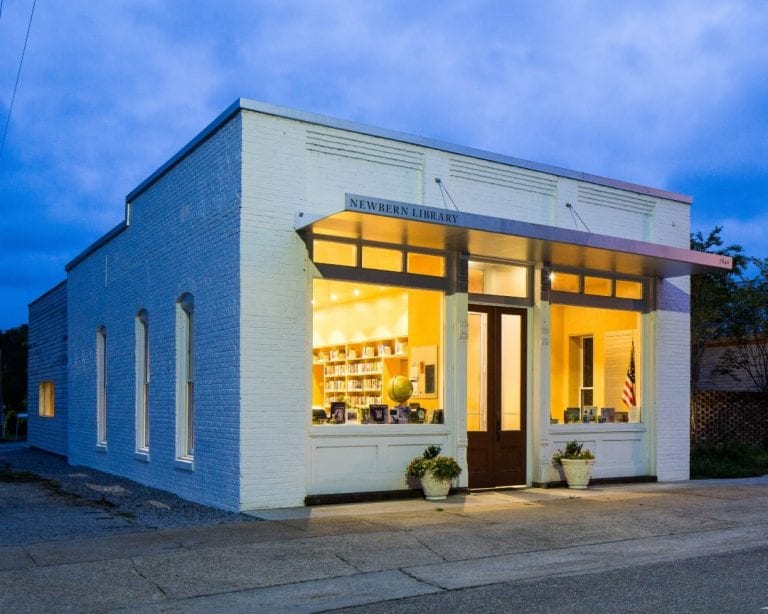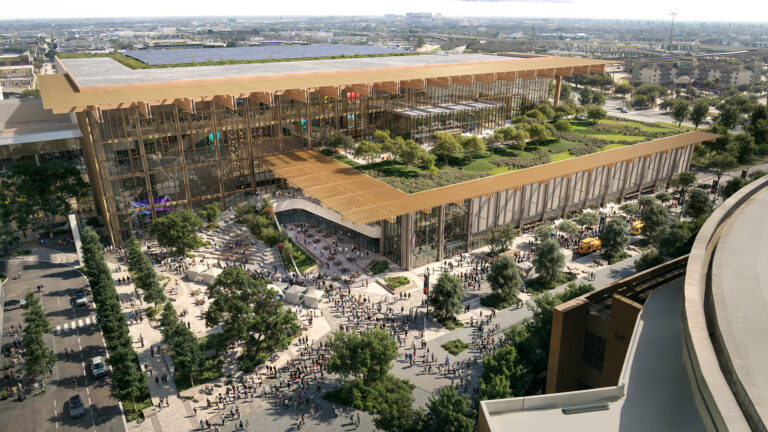

The first full mass timber structure in the nation to use southern yellow pine cross-laminated timber (CLT) panels is set for completion in September 2019. Designed by Gensler’s Dallas office, the First United Bank in Fredericksburg has the distinction of being the first full mass timber construction project to be completed in Texas as well as the first retail mass timber structure in the state. Designed to achieve net-zero energy usage, the project also opens up the possibility of utilizing this locally sourced structural material in future projects.
First United Bank, a community banking organization founded in Durant, Oklahoma, in 1900, has 38 locations across Texas. The bank encourages staff to volunteer for local civic and charitable organizations and projects. “They do a lot of after-hours programs, where the bank is opened up and used by groups to teach educational classes or to rent out the community space for meetings and events,” says Gensler project architect Taylor Coleman, AIA. The community emphasis is evident in the building’s design: Warm building materials, ample natural light, and an indoor-outdoor connection to the native vegetation surrounding the structure all attest to the building’s aesthetic as a town gathering place, rather than just a financial institution.
“They have such a strong community presence, and they wanted it to feel like a building for the community as well. We wanted to make it a very approachable project,” Coleman adds.
After several years of working on renovation projects for branch locations in Texas and Oklahoma, First United and the firm went in the direction of ground-up construction. Coleman says the client had two primary goals for the Fredericksburg location: to create a distinct structure that would stand out from other bank branches in the area, and to create a highly sustainable building. “During the design phase, First Texas asked for sustainability, and we proposed net-zero energy,” Coleman says. “But they asked us, ‘Well, is there anything more that we can do?’ And that’s how we got to CLT, not only as a design tool, but as a sustainable solution.”
The 8,500-sf project incorporates a range of sustainability measures. Gensler implemented a high-efficiency VRF HVAC system, expansive floor-to-ceiling windows to harvest natural daylight, and large cantilevered overhangs to shade the structure and reduce cooling costs. Coleman says the shape of the sloping roof and large overhangs lend themselves naturally to CLT. In addition, the sloping roof also facilitates rain collection. It’s estimated that the building will direct as much as 250 million gallons of water annually to an adjacent storage system.
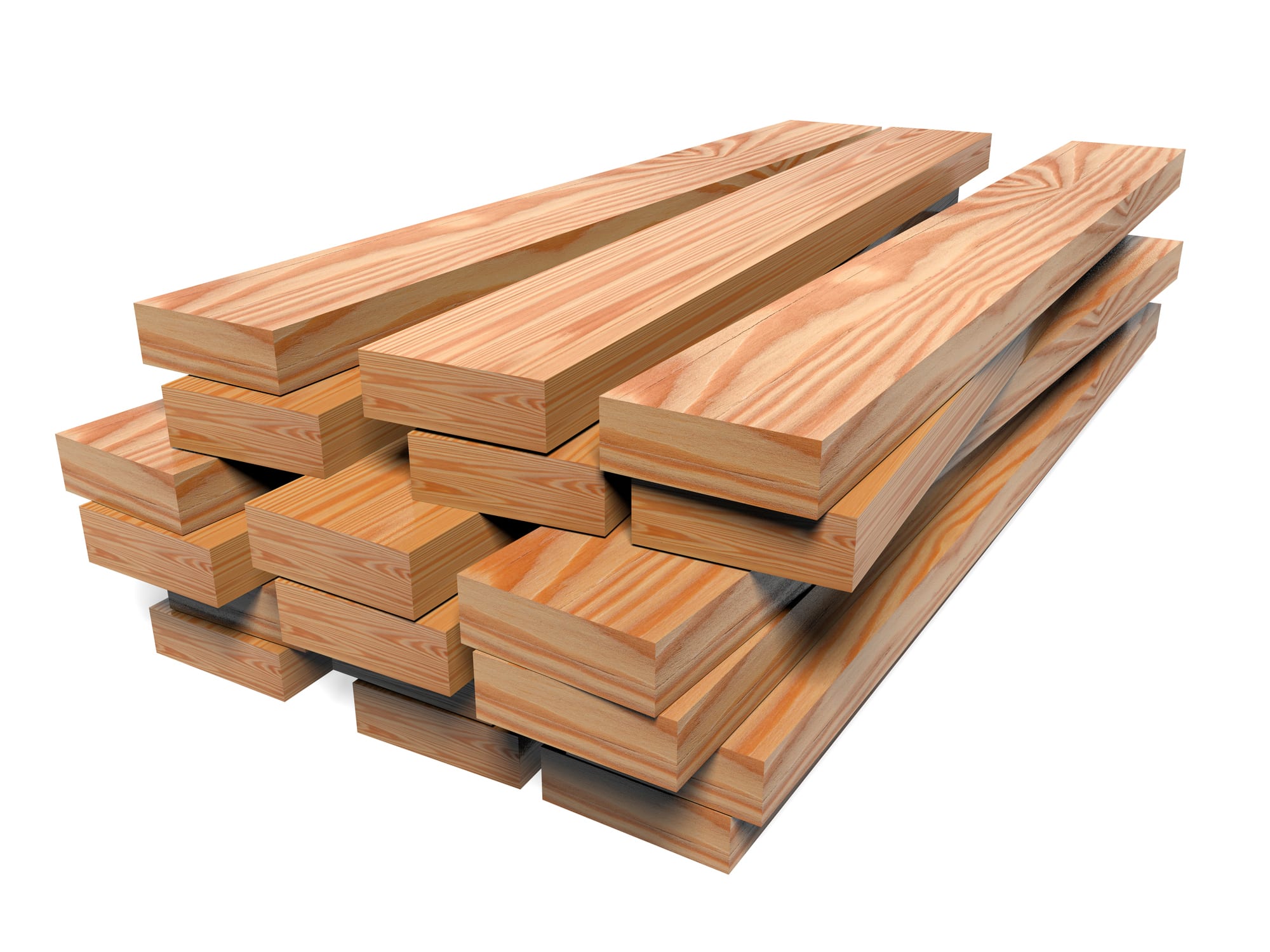
Initially, the building was designed to use Douglas fir CLT panels; however, the fabricators — International Beams in Alabama — had a surplus of southern yellow pine, which Gensler elected to move forward with for both time and cost savings. This choice to use regionally sourced materials that require less energy to transport helped to lessen the environmental impact of the building before occupancy even begins. Coleman says that First United was very receptive to this choice and supported the expression of the structural elements, and the warm, rustic appearance the southern yellow pine lends to the fully exposed ceiling beams.
Coleman says First United has “fully embraced” mass timber and will continue to use the material in future bank buildings. An additional 12,500-sf location under construction in Shawnee, Oklahoma, will be the first full mass timber project in that state, and a 37,000-sf project in Sherman, Texas, is expected to be completed in 2020 and will serve as the bank’s North Texas hub office.
While Texas has no CLT fabricator as yet, this project may open the door for such businesses to come to the state and for regional and local mass timber materials to be utilized in future projects. The enthusiasm with which First United has embraced this sustainable design trend bodes well for its acceptance in other project types.
Source: Texas Architect