
AUSTIN – As colder weather sweeps across Texas, the Texas Oil & Gas Association (TXOGA) is highlighting extensive industry preparations to ensure the reliable production and transportation of oil and natural gas during winter.
Alongside these efforts, recent policy advancements aim to bolster energy reliability, including incentivizing investments in dispatchable electricity generation and expanding transmission infrastructure in the Permian Basin.
“Record-breaking natural gas production, increased storage capacity, and expanded pipeline takeaway capacity position Texas as winter-ready,” said Todd Staples, TXOGA President. “Texas produces more natural gas than any other state, with daily production exceeding three times the state’s electricity needs. With enough natural gas storage to power Texas for over five months, modern pipelines safely move more product than ever before, ensuring energy security during colder months. While some disruptions are inevitable, the industry remains committed to maintaining maximum product flow.”
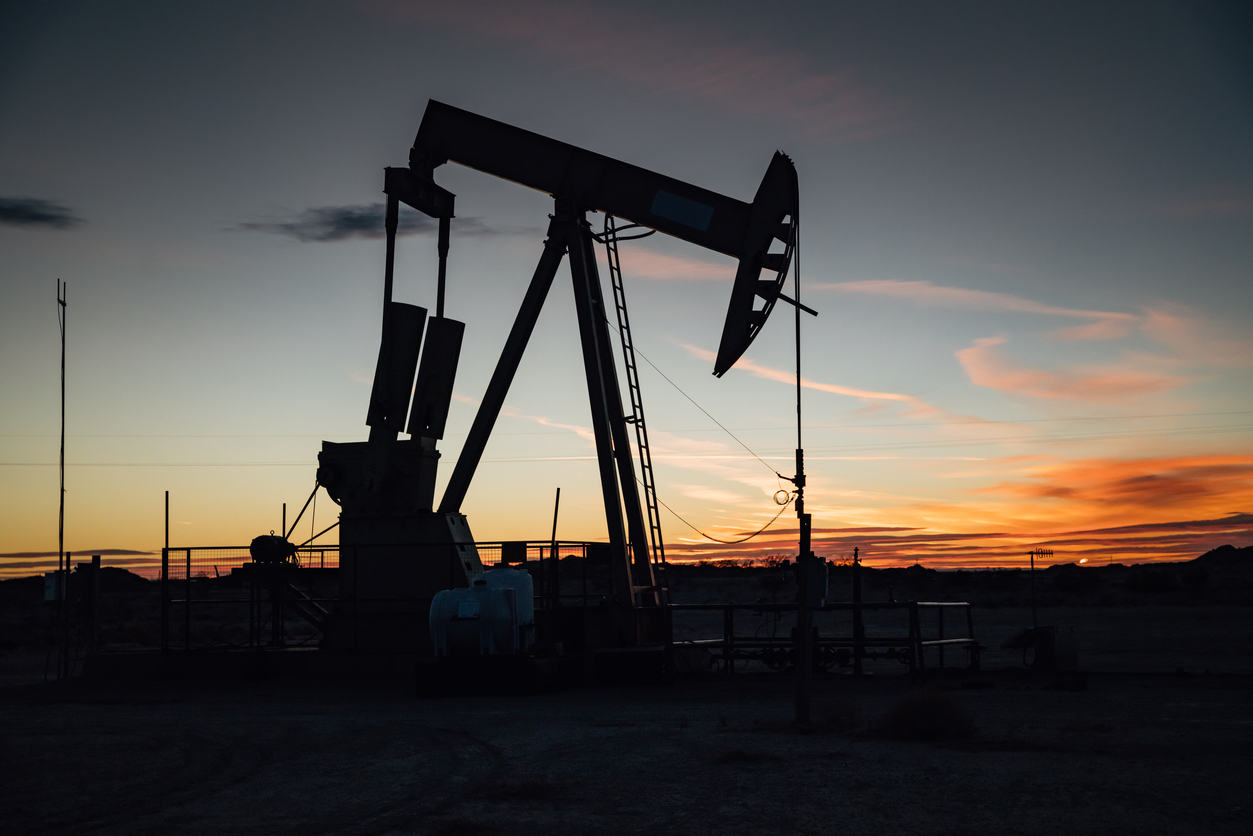
Industry-Wide Preparations
Oil and natural gas operators in Texas initiate weather preparations months in advance. These efforts include ongoing monitoring, best practices, and comprehensive operational plans to ensure continued production during inclement weather. Onsite measures include:
– Methanol injection to prevent freezing
– Temperature-activated pumps and steamer units
– Shelters for equipment and insulated lines and valves
Offsite and additional measures enhance response capabilities, ensuring personnel and assets remain safe and operational. Key actions include:
– Securing shelter and pre-positioning personnel
– Adjusting employee schedules for efficient planning
– Stocking extra supplies like methanol
– Draining tanks to increase onsite storage capacity
– Conducting pre-inspections of assets
– “Line-packing” pipelines to maximize product pressurization
– Collaborating with third-party vendors for weather contingencies
– Prioritizing critical assets to maintain power supply
Legislative and Regulatory Support
In 2021, Texas lawmakers and the Railroad Commission of Texas (RRC) introduced policies to designate critical natural gas assets, ensuring these facilities retain power during emergencies. Operators are now required to weatherize facilities and submit emergency preparedness plans to the RRC, which include measures to protect employees, equipment, and the environment. These policies extend to vital support operations, such as water disposal wells.
Mitigating Fluctuations in Production
Extreme weather inevitably leads to some production fluctuations, as field operations cannot be entirely controlled like factory settings. Such variations are not unique to Texas and occur even in colder climates. However, Texas benefits from vast privately funded natural gas storage infrastructure, ensuring ample resources during production declines.
With over 32.9 billion cubic feet per day (Bcf/d) of natural gas production and 878.1 Bcf of underground storage capacity, Texas can power natural gas electricity generation for 154 days or meet average consumption needs for 63 days. Firm contracts for supply, storage, and transmission remain critical for power generators to ensure reliability during extreme weather.
Forward-Looking Solutions
Staples emphasized the importance of the recently approved Texas Energy Fund, which incentivizes dispatchable electricity projects, and the Permian Basin Reliability Plan, addressing transmission infrastructure needs in the region.
“The oil and natural gas industry has worked with lawmakers, regulators, and stakeholders to develop solutions that ensure Texas remains energy-secure and prepared for winter,” Staples said. “Proper planning, preparation, and collaboration are key to minimizing disruptions and keeping Texas ready for any weather.”
For more details on the industry’s winter readiness efforts, visit https://txoga.org/winterready.