
By: Helen Callier
Over the past few weeks, we attended the Build Expo in Austin, Texas. We had the opportunity to visit many of the exhibitors, go to workshops and meet with possible new vendors. While at the Expo, we also had the opportunity to speak with City of Austin folks. While speaking with them the table was suddenly bombarded by a General Contractor with lots of complaints about how awful the permitting process is at the City of Austin and how his permits are always late.
This outburst, along with phone calls my office receives from architects, project owners and contractors from across the state of Texas and the US regarding challenges with permitting and the risk of paying penalties for late start with construction, suggest that help is needed. To minimize frustrations and pain that some contractors are feeling, below are five steps to consider versus fuming at the mouth about delays in permitting.
Take a deep breath – Meeting project timelines can be a high-pressure situation, especially when fines and penalties are baked into contract with project owners. While huffing, puffing and having tantrums may work on reality TV shows, the truth of the matter is that this strategy is a poor one to get your point across and to obtain a building permit in a timely manner. So, when faced with a tough permitting scenario, where nothing appears to be going your way, step back from the problem and take a few deep breaths to clear your head, release negative energy and gain a different perspective to resolve permitting issue.
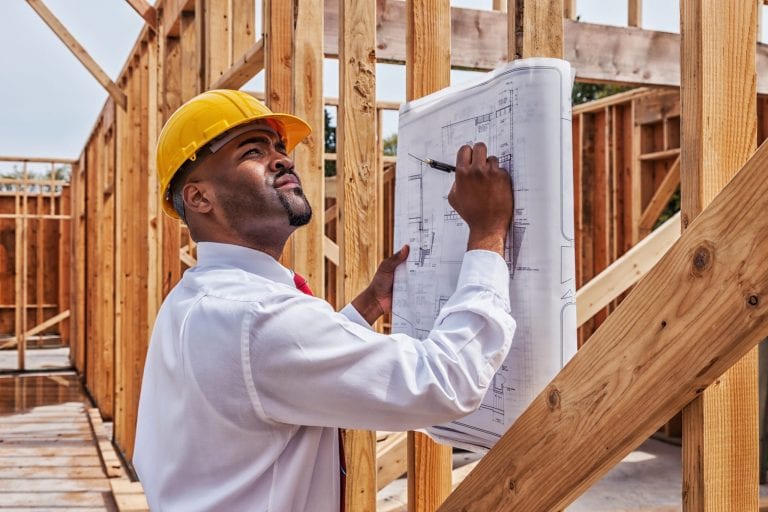
Check your preconstruction plans – Now that you have taken a deep breath, grab your preconstruction plans, including checklist to determine if any item affecting the permitting process is missing or specs fail to align with scope of work.
Review your permit application package – Often times it is something small that can cause contractors to fume at the Permitting Department. For example, some information may be missing in the permit package, a section of the drawing may not show enough detail, or a narrative may need to be added or made clearer. When in a situation where experiencing longer than planned in permitting, pull and review your permit application and package in full to determine what is missing and to gain a better idea what the Plan Reviewer is referring to. If still confused, seek help, as time is money, and the longer you wait to obtain, the more the delay costs you in time as the subcontractor and burns a hole in the Project Owner’s pocket.
Visit Jurisdictions web site FAQ’s – The majority of jurisdictions that the Permit Us Now team works in across the state of Texas and several areas in the US have web sites with valuable information on how to complete permit applications by market area such as residential, commercial, etc. And quite a few of the authority having jurisdictions’ web sites will have a Frequently Asked Questions section where subcontractors can review similar scenarios as a possible go-by.
Ask for Help – Time is money in construction. There is no wrong question except the one you fail to ask regarding your building permit. Consider scheduling time with Plan Reviewer to meet or conference by phone as an option. Make sure to listen, confidently address any questions asked and take notes so that you are clear on what is being conveyed. Also, as a resource, consider reaching out to permitting and building code experts as they have intimate knowledge and established relationships that can provide insight on the best approach to quickly obtain your building permit.
In Conclusion
The construction market, in many regions in the US, have a strong outlook and opportunity to keep subcontractors busy during 2019, and obtaining building permits in a timely manner is crucial to business success. Remember your focus is to start construction on time and to avoid delays in permitting, so take a deep breath, review your preconstruction checklist and permit package and use expert permitting resources. #BuildSafe