
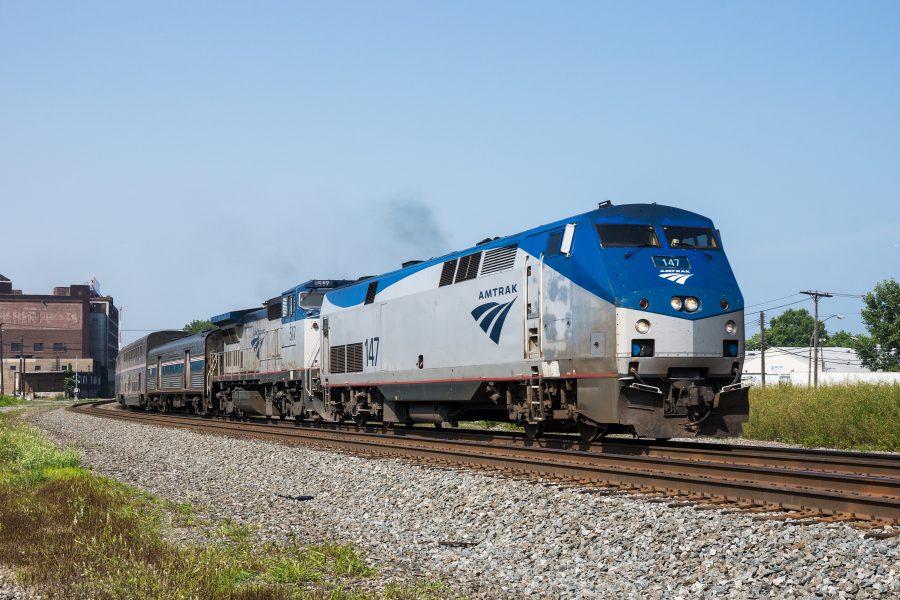
Developers of Texas’ high-speed train have forged an agreement with Amtrak, allowing passengers to use Amtrak’s reservation system to buy tickets for through travel on both the Texas Bullet Train and Amtrak’s national routes.
- Plans call for through-ticketing for interstate travel, marketing collaboration and provision of Amtrak services
- Passengers will get connections between Amtrak and Texas Bullet Train stations in Dallas and Houston
Texas Central will offer a convenient transfer service connecting riders between Amtrak passenger stations and the high-speed train stations in Dallas and Houston. The agreement also will make other Amtrak services, such as training, marketing and sales capabilities, available to Texas Central.
Tim Keith, Texas Central’s president, said it has been working with Amtrak and others on a commercial basis to expand opportunities to attract, assist and serve passengers on the 200 mph North Texas-to-Houston line.
“This agreement is another important step in the progress of the Texas Bullet Train,” Keith said. “It gives both local and interstate travelers more options and ease of travel not previously available by intercity passenger trains in Texas.”
Stephen Gardner, Amtrak’s executive vice president and chief commercial officer, said one of the most significant gaps in Amtrak’s route structure involves the country’s 4th and 5th largest economies and Texas’ largest metro areas, North Texas and Houston. The Texas Bullet Train will provide a direct connection between Amtrak routes serving the two commercial hubs, helping to facilitate interstate train travel.
“Amtrak supports the development of high-speed train service throughout the United States as part of a national passenger rail system, capable of meeting the nation’s transportation needs,” Gardner said. “When Texas Central’s high-speed line begins operation, the joint ticketing arrangement will benefit Amtrak customers who currently cannot connect by train between Texas’ two largest markets. We welcome the opportunity to partner with the private sector to expand the reach of our national network.”
The agreement comes as the Federal Railroad Administration (FRA) works to complete a final environmental study of the train’s 240-mile route. The FRA issued its Draft Environmental Impact Statement (DEIS) Dec. 15, saying the train will alleviate strains on Texas’ infrastructure. The FRA now is reviewing public comments it received on the draft in meetings from January to March this year.
The Texas Bullet Train is expected to pump more than $36 billion directly into the state economy over the next 25 years, including providing more than $2.5 billion in local and state taxes, creating 10,000 direct jobs during each year of construction and boosting development around the passenger stations. The project will not take federal or state grants to build or operate the project.
Under the joint agreement, Texas Central and Amtrak will facilitate the ability of interstate and intrastate train passengers to travel between points on the Texas Central line and throughout Amtrak’s national network. The coordination includes:
- Through ticketing, an option that will allow Amtrak passengers to use its reservation system to buy Texas Central tickets.
- A Texas Central-provided transfer service, conveniently connecting passengers between Amtrak stations and the high-speed train terminals in Houston and Dallas.
- Potential coordination of frequent travel programs.
- Texas Central’s purchase of services from Amtrak, such as training, marketing and sales.
Amtrak serves over 500 stations in 46 states and three Canadian provinces. More than 16 million Texans live within 25 miles of an Amtrak station. By making ticket-buying and trip-scheduling easier for travelers, both Amtrak and Texas Central can better serve their customers, enhancing the value of the innovative project to travelers nationwide.
Harris County Judge Ed Emmett, a former commissioner on the Interstate Commerce Commission, said, “These agreements between Amtrak and Texas Central provide for a passenger-first coordination of services that will increase Houstonians’ access to Amtrak’s national system and maximize the national impact of the Texas Bullet Train. ”
Amtrak has not operated service between Dallas and Houston since 1995 when a leg of the Chicago-to-San Antonio/Los Angeles Texas Eagle route was discontinued. Texas Central will again provide service to this market, including Texas A&M University, with a passenger stop serving Bryan-College Station and Huntsville in the Brazos Valley.
Source: www.texascentral.com