
5G technology has been touted as the next leap forward in the digital technology arena, and Houston is one of the first cities to roll out the new tech, but what does this mean for Houston’s economy? Well, it could mean a lot.
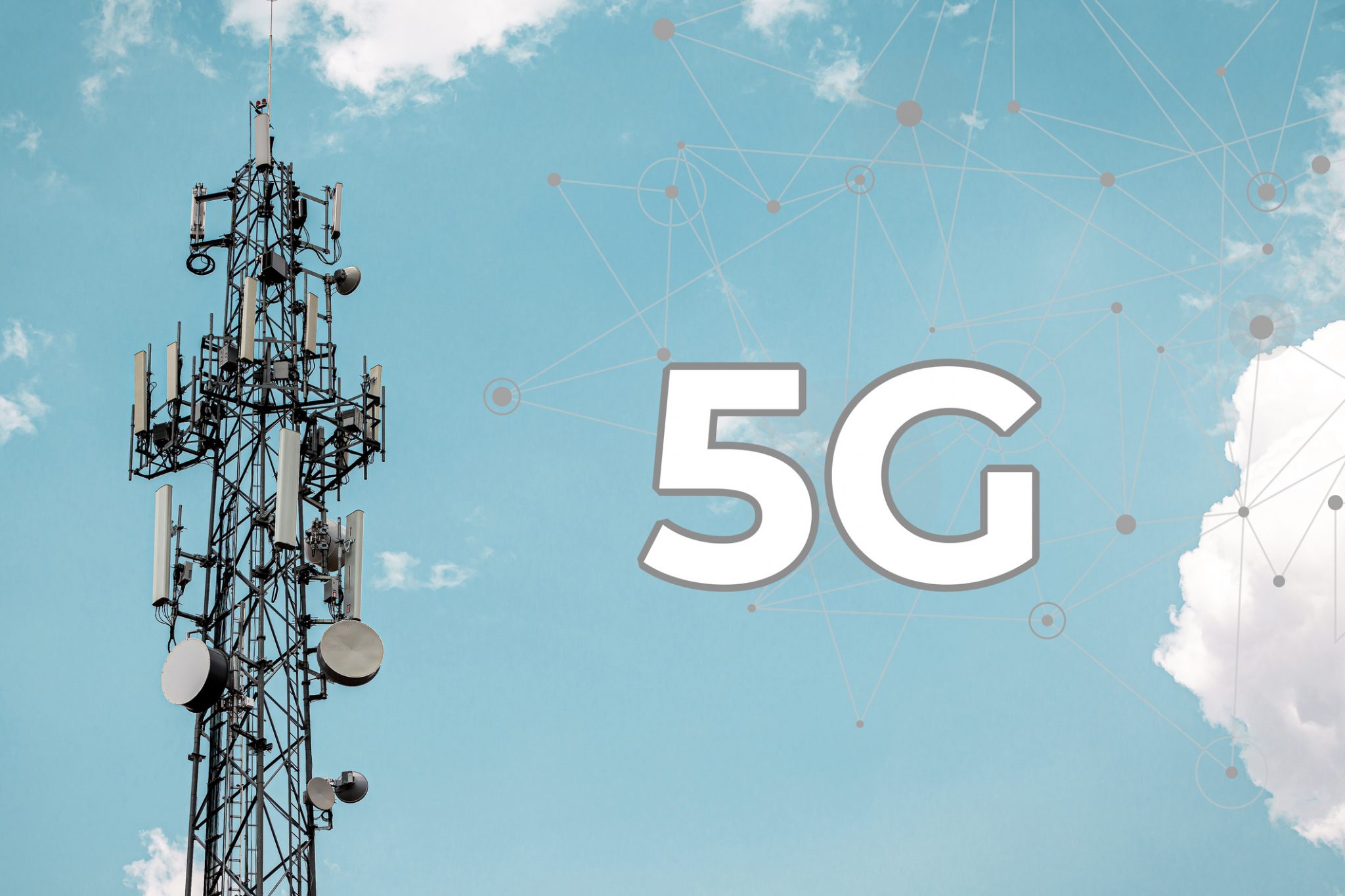
5G networks need smaller and more closely deployed antennae that can attach to existing physical structures, such as light and telephone poles and buildings. These signals can also be carried faster and with more reliability.
Last month the Houston Chronicle reported that T-Mobile turned on its 5G network in Houston and nationally. This launch made T-Mobile the latest commercially available 5G mobile data network available in the region. Sprint, which is planning a merger with T-Mobile later this year, and Verizon turned on their 5G capability in Houston earlier in 2019.
In 2018 AT&T announced that it had 5G capabilities in multiple areas in Houston. The company also has invested nearly $1.5 billion in Houston wireless and wired networks from 2015-2018 in anticipation of 5G coverage. The investment also included updates to improve reliability, speed and performance.
These faster capabilities will offer Houston businesses better opportunities to create new and streamline old technologies, and companies are starting to take notice. When Accenture surveyed more the 6,600 business and IT executives for its Technology Vision 2019, 62% of the respondents said that 5G will have a significant impact on their industries within the next three years.
Infrastructure Networks, a Houston based oilfield telecommunications company, is working with telecommunications company Nokia to bring 5G networking capabilities to the Eagle Ford Shale of South Texas, the Permian Basin, and two additional shale basins outside of Texas. That integration will allow customers of Infrastructure Networks to send and receive large gigabytes of data faster than ever before.
“Operators, drillers and oilfield service companies can now embrace automation, artificial intelligence analytics and machine learning, only made accessible with next-generation, high-bandwidth, low-latency connectivity,” Mark Slaughter, CEO of Infrastructure Networks, said in a statement this week.
As a 5G city, Houston has the potential to utilize this technology to move forward with smart city applications that could assist in reducing traffic congestion, lower energy usage and improve public safety. This new technology could also bolster the region’s economy. Over the next seven years, 5G networks are estimated to create 3 million new jobs and contribute $500 billion to U.S. GDP.
“Houston has always been on the front line. It is who we are. It is in our DNA. We are a leading city,” Mayor Sylvester Turner said at a roundtable discussion in October. “We didn’t wait for somebody else to go to the moon. Or to be the energy capital of the world. Or the largest medical center in the world. But you don’t stay at the front if you don’t continue to lead.”
Source: Greater Houston Partnership