

By Caron_Beesley, Contributor for SBA
Despite recent budget cuts, the U.S. federal marketplace remains a lucrative opportunity for small businesses. The federal government typically spends approximately $500 billion in contracts every year and the law requires that 23 percent of these dollars be awarded to small businesses.
But doing business with the largest purchaser of goods and services in the world isn’t easy. One of the biggest challenges that small businesses face is uncovering the right opportunities – ones that match their capabilities and growth plans.
Here are eight tips and resources to help you find government contract opportunities that make sense for your small business.
- Familiarize yourself with the rules
Before a contract opportunity comes along that excites you, be prepared. Familiarize yourself with what’s involved with selling to the federal government. It’s quite different to the private sector with much longer lead times and strict bidding and product requirements.
These resources can help:
- Learn How the Federal Government Buys from Small Businesses
- SBA’s guide to Getting Started in Government Contracting
- Government Contracting 101 – These three on-demand, self-paced courses are part of SBA’s Government Contracting Classroom and are a quick way to get to know the landscape.
- Understand what the government is buying
Now it’s time to get strategic. Every agency and department has unique goals. Identifying these can help you target a niche or opportunity for your products or services.
The good news is that the government offers potential contractors something that no other sector does – an insight into its budgetary priorities.
What the government intends to buy and how much it has to spend is all in the public domain. These budgets (actually they read more like mission strategy papers than budgets) offer sufficient context for savvy small businesses to identify opportunities and focus their contracting sales and marketing strategy. Each federal agency or department budget is listed on the Office of Management and Budget (OMB) website.
- Zero in on agencies that aren’t meeting their small business goals
Each year the SBA negotiates formal goals with individual agencies to ensure that small businesses get their fair share of federal contracts. For several consecutive years, many agencies have fallen short of their targets. So who made the grade and who didn’t? The Federal Procurement Data System posts scorecards for each agency.
Could there be an opportunity here for your small business to lend its services and goods to help these agencies hit their targets next year?
- Research existing and upcoming opportunities
Once you’ve identified agency initiatives that align with what your business has to offer, start tracking contract opportunities and solicitations that align with these on sites such asUSAspending.gov and FedBizOpps.gov. Market intelligence firms like ONVIA or ImmixGroup can also do the work for you. (immixGroup also has a useful blog that highlights upcoming opportunities as well as contracting tips).
- Put boots on the ground
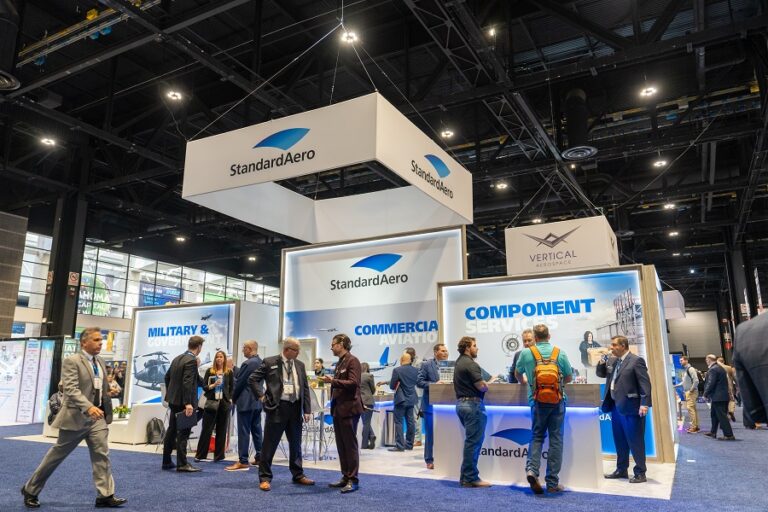
Make a point of attending agency- or industry-specific government events. These are hosted by the private sector but attract the procurement community, influencers and industry experts. Useful sites to explore for upcoming events include GovWin, GovEvents, and if you’re interested in the lucrative IT government market Digital Government Institute, ACT-IAC and GovMark Council are worth checking out.
- Find a partner and advocate in the OSDBU
Another excellent way of getting in front of government buyers is to take advantage of the Office of Small and Disadvantaged Business Utilization (OSDBU) outreach events and expos. These serve to connect business owners to government buyers. You can view the upcoming event calendar here.
These events also offer guidance on how small businesses can break into the contracting market and take advantage of programs like the 8(a) Business Development Program—a business development tool, which helps thousands of aspiring entrepreneurs gain a foothold in contracting with financial assistance and teaming opportunities.
- Get help from SBA procurement reps
Another vital government resource are SBA’s local Procurement Center Representatives (PCRs). PCRs provide services that include training, counseling and business matchmaking events. Find the PCR in your area.
- Don’t go it alone – partner with a government mentor
Anyone embarking on new ventures can benefit from a mentor. The government operates two notable mentor programs that can help you get access to contracts. First is the GSA Mentor-Protégé Program. Open to qualified small businesses, this program helps connect small firms with more experienced ones. The program’s objective is motivating larger companies to lend their knowledge to smaller, less experienced businesses.
Another option is the SBA Mentor-Protégé Program. Open to socially and economically disadvantaged businesses that qualify for SBA’s 8(a) program, this program pairs you with a mentor who has had success in federal contracting.
Additional Resources
For more tips and insights on breaking into and growing your business in the government contracting marketplace, check out these resources:
- SBA Contracting Guide – A deep dive into getting started, available resources and more.
- Contracting Blogs – Learn about the latest resources and programs, and get tips on how to succeed.
- SBA Government Contracting Classroom – Self-paced online courses on all aspects of the contracting process.
Source www.sba.gov