
By Helen Callier, Contributing Writer
It still happens where building permits are missed, and when this happens the ultimate construction safety sin has occurred. Some Contractors forget. Others skirt around jurisdiction requirements. Some Contractors do the right thing and believe they pulled the correct permits and are surprised to learn otherwise when City Inspectors show up on the job site and point out missing permits.
Building permits are required for most construction projects to make sure structures and infrastructure comply with jurisdiction and industry building codes for safety. Typically, there are 4 phases during construction that are important milestones for a safety check.
See below the 4 phases and take note to hone your construction processes as needed.
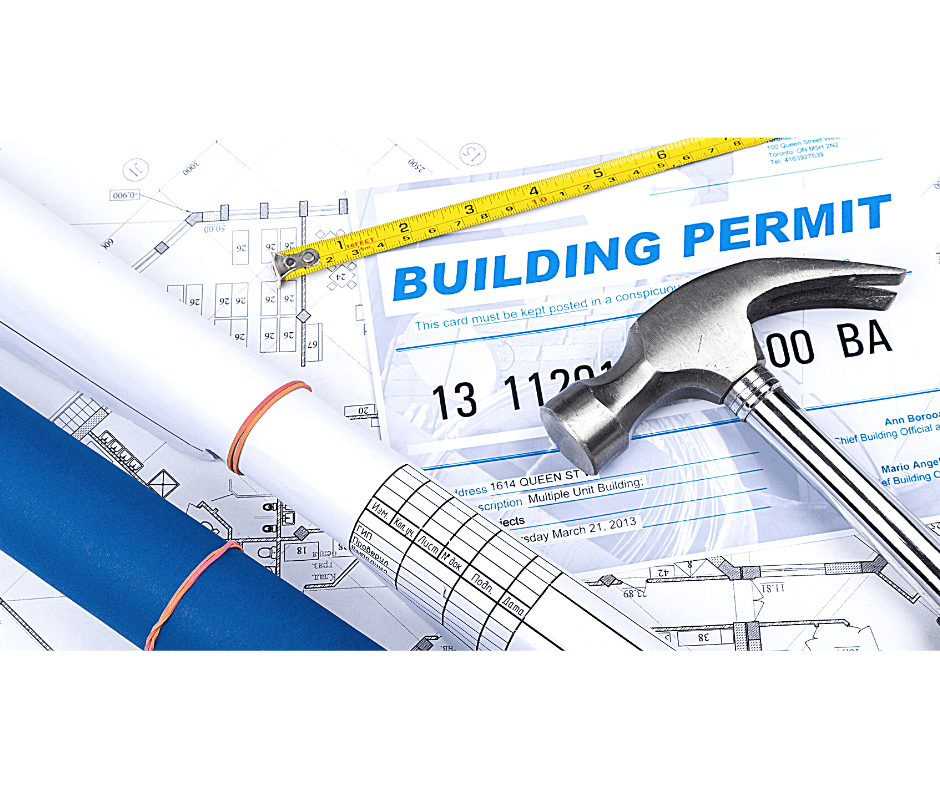
Pull Main Building Permit: Building permits of some magnitude are required prior to starting construction depending on the project scope i.e. remodel, renovation, demolition, minor repair, expansion, addition, etc. There are some exceptions to this typical industry rule of thumb, like if a project is in a rural area. And with so much growth and expansion in rural areas in many parts of the U.S., the PermitUsNow team surmises that rural areas will adopt new ordinances impacting permitting.
Make Sure Trade Contractors Pull Proper Permits: Based on project scope, once the main building permit is paid for and pulled, the Mechanical, Electrical, Plumbing, Fire, etc. trades can proceed in pulling their perspective permits. Failure to do so will result in a violation being issued by a City Inspector when visiting the job site and in a worst-case scenario, the City Inspector can shut down the job site. To avoid this situation, all involved trades are to pull permits, provide copies to GC; and make sure permits are posted on the job site.
Call for Inspections (Preconstruction/Progressive/Post): Depending on the scope of work, some jurisdictions require a preconstruction meeting before any work gets started. During this preconstruction meeting, the City Inspector will go through a checklist of items and relay expectations including when to call for progressive inspections. Adhering to directives issued during the preconstruction meeting minimizes the punch list of items to fix. Also, during progressive inspections, a need may arise for a revision permit which the appropriate Contractor will need to obtain to complete a portion of the work.
After completing construction, a post or final inspection is required. Contractors are advised to be on-site during all inspections and are critical at the final inspection.
Job Close-out and Obtain CO: Typically, after the final inspection is completed and passes, the City Inspector files their report, and depending on the jurisdiction (and Inspector’s workload), a Certificate of Occupancy or a Certificate of Compliance will be issued within 24 hours. Once CO is issued, the Contractor provides a CO to the Property Owner for their assurance, records, and to post per jurisdiction ordinance.
Here’s what we know for sure about construction job safety as it relates to permits. Before you pull out a hammer, crank up a bulldozer, or turn on a drill to begin construction work, you first need to review permit requirements and make sure you have pulled the correct permits. Permits are your first line of offense to build safely.
Complying with building codes and submitting permit packages can be a challenge for busy Architects and Contractors. So, if you need help, we’re just a phone call away at 1.844.PERMIT.4.
At PermitUsNow, we are committed to pulling permits for our Architect, Contractor, and Project Owner clients without delay, eliminating their frustrations with the permitting process. Plus, we make it easy for you to work with us. Simply: 1) Email us your plans, 2) Follow up on our feedback for any missing items, and 3) Let us get your permitting done for you.
Send us your plans today and we’ll free you up to focus on doing what you love – building your customers’ dreams. Visit us on the web at permitusnow.com.
#BuildCustomersDreams #BuildSafe