
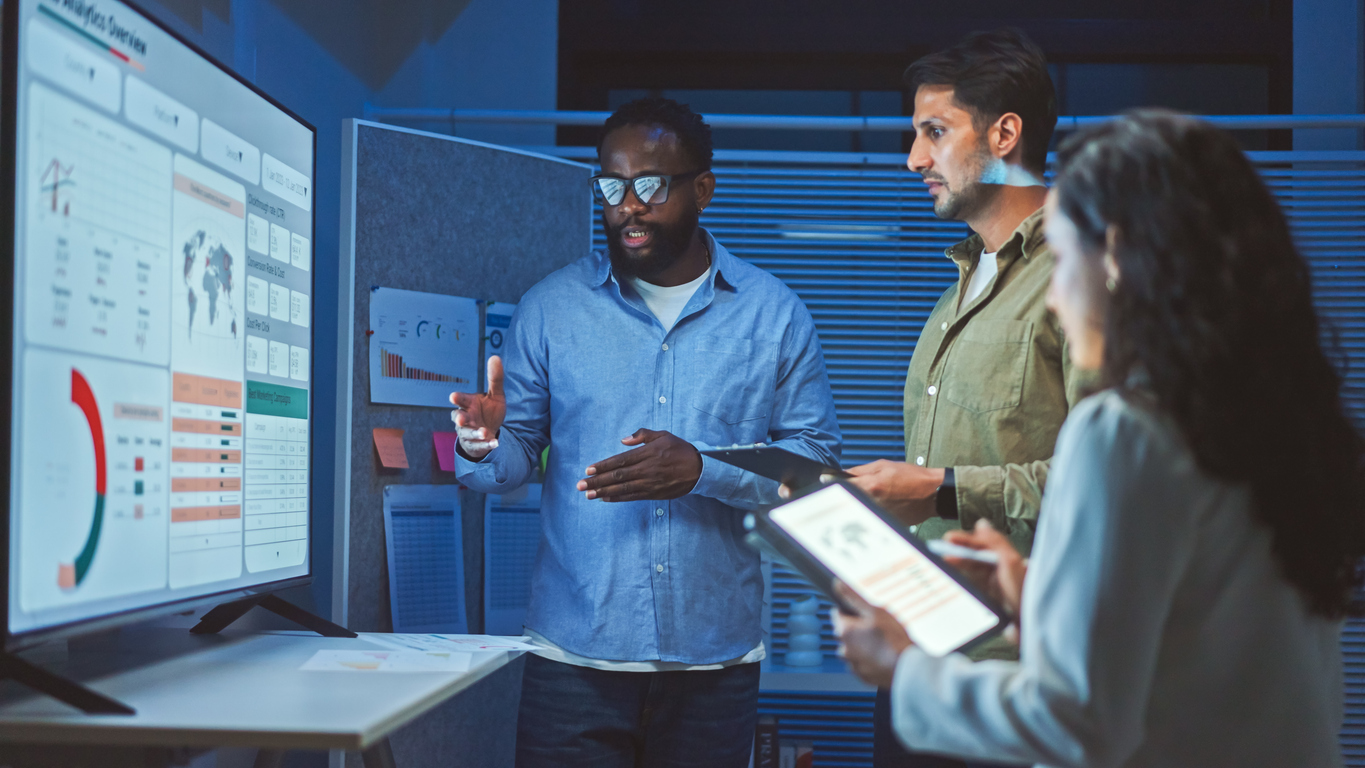
Texas is on a trajectory of rapid growth, driven by booming infrastructure development, urban expansion, and the ever-present demand for cutting-edge construction projects.
Subcontractors, the backbone of the construction industry, are simultaneously facing rising expectations for efficiency, safety, and sustainability. With these challenges at the forefront, the integration of innovative technologies offers a pathway not only to survive but to thrive in this fast-evolving market.
Looking ahead to 2025, emerging technologies hold massive potential to transform subcontractor operations across the Lone Star State. From Dallas to Houston, Austin to San Antonio, subcontractors leveraging these tools will set themselves apart in terms of productivity, profitability, and professionalism. Here, I will guide you through my top key technologies set to shape the future and advice on how Texas subcontractors can integrate them into their daily operations to stay competitive.
AI-Powered Project Management

Artificial Intelligence (AI) is rapidly becoming an essential tool for subcontractors in managing the complex processes inherent in construction. By 2025, solutions powered by AI will go far beyond basic scheduling software, offering intelligent insights into every aspect of project workflows. Tools like Procore’s AI Assistant and Buildouts are leading the way in offering subcontractors the edge they need to excel in this market.
For subcontractors, AI can:
· Streamline Scheduling and Resource Management: AI analyzes real-time project data to ensure every resource—whether it’s labor, equipment, or materials—is deployed efficiently, minimizing waste and delays.
· Reduce Downtime: Predictive analytics has the power to identify potential equipment failure long before it happens, ensuring subcontractors avoid costly disruptions.
· Enhance Safety: AI systems can predict on-site risks by factoring in weather conditions, project-specific hazards, and workforce behavior, reducing accidents and keeping operations OSHA-compliant.
By embracing AI, subcontractors can spend less time reacting to problems and more time proactively improving their processes.
Drones for Enhanced Site Management
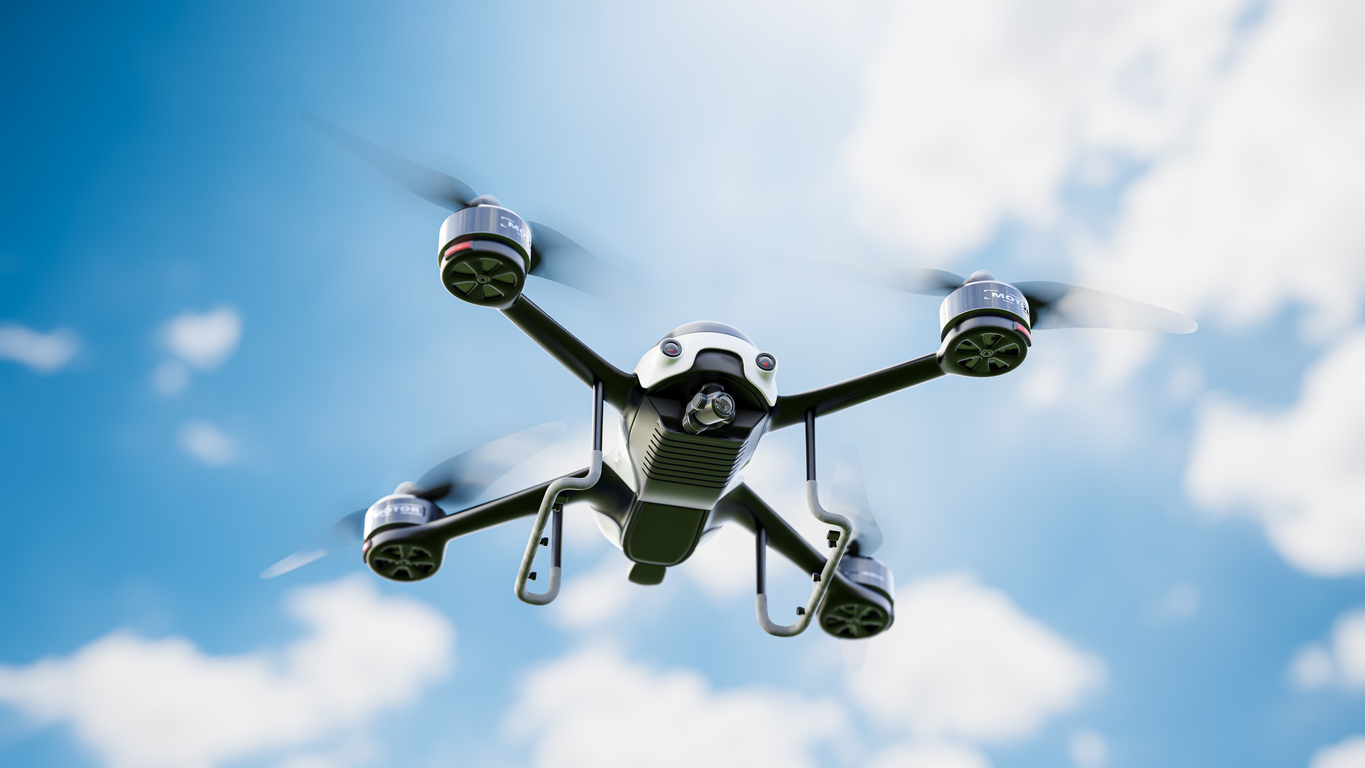
Drones are no longer just tools for major general contractors; they are quickly becoming critical to subcontractor operations as well. By 2025, drones will dominate tasks like site inspections, safety oversight, and material monitoring, reducing the manual workload for Texas subcontractors and ensuring faster, safer results. Imagine capturing high-resolution views of a construction site in Tyler or analyzing inaccessible spaces in downtown Austin—what was once an arduous and time-consuming job can now be completed in minutes using drones.
Key applications for subcontractors include:
· Faster Inspections: Drones can instantly identify structural issues and placement errors, reducing the labor hours needed for manual checks.
· Reducing Costs: With drone capability, subcontractors can cut out the need for scaffolding or other costly inspection tools.
· Safety Compliance: Regular drone checks can ensure sites comply with Texas safety regulations while reducing the risk to field personnel.
Whether it’s surveying a multi-level project in Houston or evaluating safety protocols on a solar farm in West Texas, drones are a game-changer for subcontractor efficiency.
Advanced Materials and 3D Printing
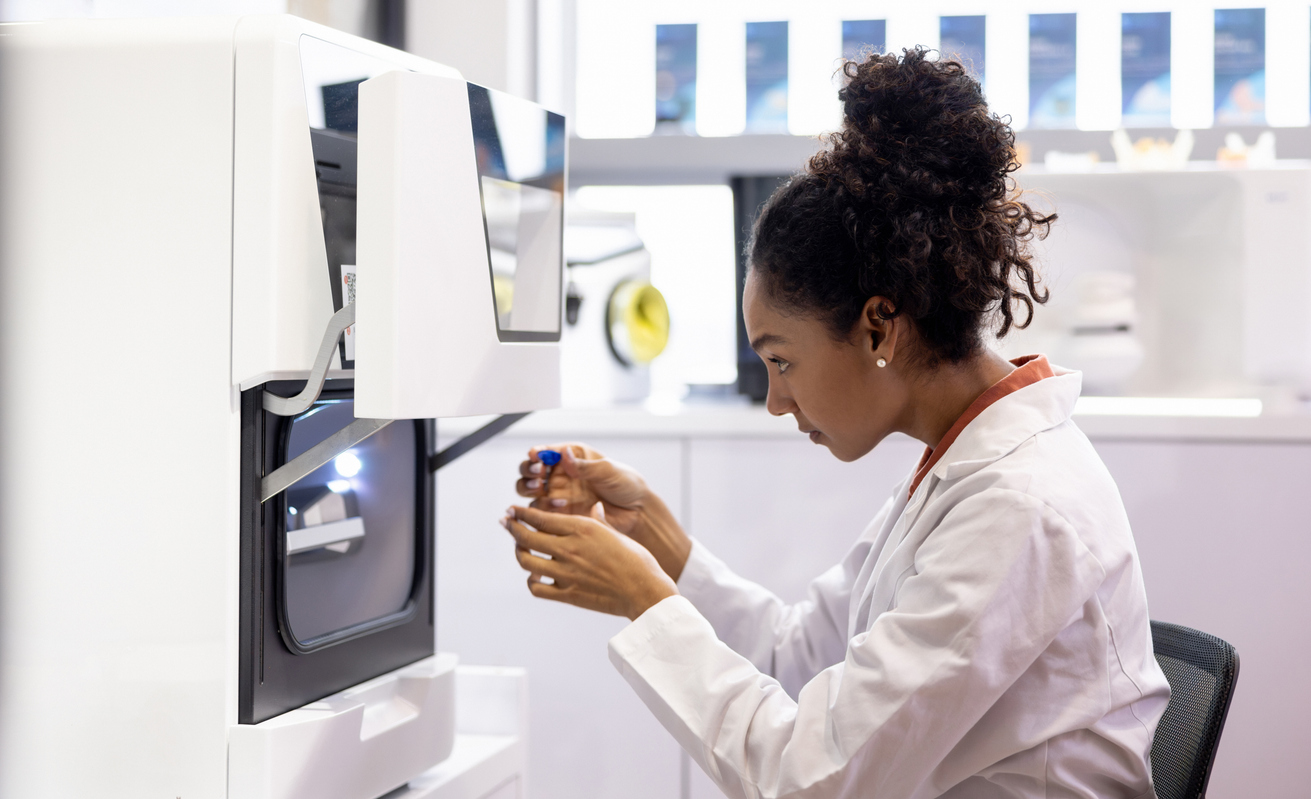
The construction landscape in Texas is shifting toward innovation in materials and building methods, and subcontractors must keep pace. By 2025, 3D printing and smart materials will become mainstream, offering subcontractors the ability to deliver higher quality and more precise results.
A few transformative examples:
· 3D-Printed Components: Framing or masonry subcontractors could significantly reduce material waste and delays by integrating portable 3D printers on-site to produce structures like walls or intricate fixtures in real-time.
· Smart Materials: Products like self-healing concrete or energy-efficient glass align perfectly with Texas’ growing sustainability requirements while offering durability that clients demand. For subcontractors specializing in insulation, glazing, or foundational work, these materials can provide a competitive advantage.
Adopting advanced materials doesn’t just enhance a project’s final outcome—it makes the work stand out to clients who value cutting-edge solutions and environmentally conscious practices.
IoT Integration for Smarter Operations

The Internet of Things (IoT) is an innovation that subcontractors should prioritize integrating into their operations. By 2025, IoT-connected devices and equipment will redefine how projects are tracked and managed, especially in a fast-growing state like Texas where time is often as valuable as capital.
How subcontractors can use IoT:
· Real-Time Monitoring: RFID-enabled devices attached to tools, equipment, and vehicles track their movement and availability, reducing wasted time spent searching for resources on the job site.
· Energy Optimization: IoT sensors can monitor fuel or energy usage in large-scale equipment, helping subcontractors reduce job site operating costs.
· Improved Worker Safety: Wearable IoT devices can ensure workers are adhering to safety protocols while also monitoring for signs of fatigue or hazardous situations.
IoT technology offers subcontractors deeper insights into their operations, paving the way for data-driven decisions that keep projects running efficiently.
Embracing Green Technology

It’s impossible to ignore growing concerns about environmental impact, and Texas is no exception, with cities like Austin and Dallas leading the push for renewable energy and sustainable building practices. For subcontractors, integrating green technologies into their work is no longer a bonus—it’s becoming an industry standard.
How green technology benefits subcontractors:
· Eco-Friendly Equipment: Subcontractors using electric machinery or equipment with low emissions are more likely to win bids as clients prioritize sustainability.
· Recycled Materials: Adopting the use of sustainable or recycled materials—like repurposed wood or composite panels—can attract environmentally conscious customers.
· Energy Efficiency: HVAC and electrical subcontractors in particular can benefit from Texas’ booming interest in energy-efficient systems like smart thermostats, solar power, and LED technology.
By prioritizing technology that reduces environmental impact, subcontractors not only contribute to the health of their communities but also position themselves as leaders in a more eco-conscious market.
The Road Ahead
As Texas continues to flourish, so too must subcontractors evolve to meet the demands of a dynamic and competitive construction industry. By integrating AI, drones, 3D printing, IoT, and green technologies into their operations, subcontractors can stay ahead of the curve, improve daily efficiency, and deliver higher-quality results to their clients.
In a state as vast and fast-moving as Texas, the pressure to innovate is matched only by the opportunities available. As 2025 approaches, the subcontractors who embrace these technologies will set the standard for what’s possible in Texas construction. By investing in these advancements today, you pave the way for smarter, faster, and more sustainable growth tomorrow.
By: Darrance Tezino, CenterPoint Director of Technology Services