
Low-Carbon Ammonia: Reducing Emissions, Energizing Industry

low carbon ammonia reducing emissions energizing industry 1

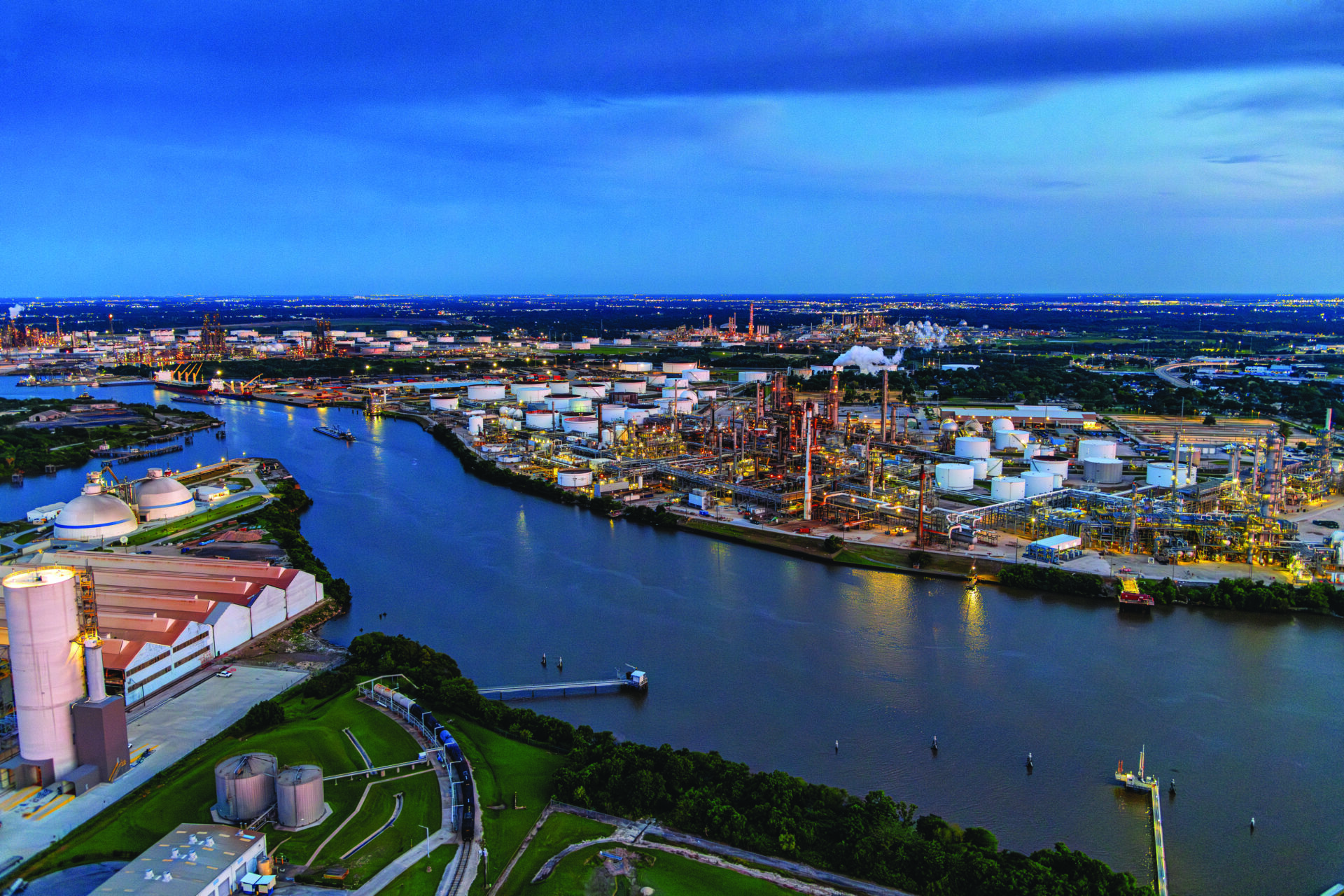
By now, you’ve probably heard about ExxonMobilโ€™s proposed Baytown low-carbon hydrogen project. What you might not know about is their side gig: low-carbon ammonia.

So, what is ammonia?

Ammonia (NHโ‚ƒ) is a fascinating compound made up of nitrogen and hydrogen. Itโ€™s versatile and wears a lot of hats. You might associate it with household cleaning products, but its uses go way beyond that. Ammonia is super important for farmers because itโ€™s a key ingredient in fertilizers that help grow our food.

It can also be used as fuel to generate electricity and power the transportation industry, with no CO2 emissions at the point of use.

But thatโ€™s not all. It also serves as a great hydrogen carrier with one very important caveat: itโ€™s much easier to transport than hydrogen. While hydrogen requires extremely low temperatures or high pressures to be stored as a liquid, ammonia can be stored and transported at more manageable conditions, making it easier to export.

What is low-carbon ammonia?

Put simply, itโ€™s ammonia produced with fewer emissions. The type of low-carbon ammonia they plan to produce is called blue ammonia, which involves capturing and storing CO2 emissions when we make it. Blue ammonia allows us to reap the benefits of ammonia while also reducing emissions associated with its production. 

Their Baytown project

Expected to be the worldโ€™s largest upon startup, their proposed Baytown Blue Hydrogen and Ammonia project is gearing up to produce up to 1 billion cubic feet of low-carbon hydrogen per day and more than 1 million tons of low-carbon ammonia annually.

By scaling up production in the US, they expect to drive economic growth, create jobs, and strengthen the U.S. energy industry. 

This isn’t just any low-carbon hydrogen and ammonia

They start with their differentiated natural gas (DNG) as feedstock. DNG is natural gas they produce in places like the Permian Basin where they are significantly lowering emissions from our operations.

When their DNG is transformed into hydrogen and ammonia, advanced carbon capture and storage (CCS) technologies will trap approximately 98% of the associated CO2 emissions. 

Real-world progress

Just this week, they announced an agreement with Japanโ€™s Marubeni to supply them with 250,000 tons per year of our low-carbon ammonia. Theyโ€™re providing the ammonia to the Kobe Power Plant to co-fire with existing fuel, reducing CO2 emissions.

And earlier this year, they announced their plans with Europe-based Trammo to supply 300,000 to 500,000 tonnes of our low-carbon ammonia annually on a long-term basis. 

Why it matters

Blue ammonia is key to reducing emissions, and their Baytown project could be a major player.

Their work to produce low-carbon ammonia aims to drive innovation across multiple industries and support a lower-carbon future.

Source: ExxonMobil (Edited by Subcontractors USA)

Similar Posts

  • Broadway Chatbot Transforms Construction Communication

    FacebookXRedditPinterestEmailLinkedInWhatsApp As extensive road construction endeavors persist throughout San Antonio, the city is employing a chatbot to disseminate information about a specific project. The newly introduced Talkin’ Broadway chatbot allows passersby to engage in a two-way conversation via text message or QR codes along Lower Broadway, offering updates on construction progress, schedules, access to local…

  • OP-ED: Offshore Exploration Promises Jobs, Affordable Energy

    FacebookXRedditPinterestEmailLinkedInWhatsApp Strong U.S. natural gas and oil production is revitalizing communities in state after state. Itโ€™s well-known that increased energy production has cut costs for families โ€“ at the pump and in-home utility bills. But leading the world in production has also given U.S. businesses a leg up, generating a manufacturing resurgence. To list just…

  • The University of Houstonโ€™s HUB Program Continues to Grow while Fulfilling its Mission

    FacebookXRedditPinterestEmailLinkedInWhatsApp By Valerie Jones In recent years, government statistics have shown an increase in Minority- (MBE) and Women-Owned Businesses (WBE) in the U.S. Much like Historically Underutilized Business (HUB), these entities have not always received the same opportunities for government contracts as other businesses in the state of Texas. This is precisely why HUB programs…

  • Austin City Council Gives Green Light to Zilker Metropolitan Park Plan

    FacebookXRedditPinterestEmailLinkedInWhatsApp The Zilker Metropolitan Park vision plan in Texas is in the clear after the Austin Parks and Recreation Board voted in its favour. According to the board, the plan would serve as a guide for the coming decades of maintenance, environmental restoration, and development. However, this comprehensive plan for the 351-acre downtown park is…

  • City of Austin Adopts 2024 Technical Building Codes, Effective July 10

    FacebookXRedditPinterestEmailLinkedInWhatsApp In a move aimed at improving safety, sustainability, and housing flexibility, the Austin City Council voted today to adopt the 2024 Technical Building Codes, along with a comprehensive set of local amendments tailored to support Austinโ€™s unique environmental and housing goals. The updated requirements will take effect July 10, 2025. Thenewly adopted codesupdate 10…

  • Aviation Director Delivers State of the Airports Address

    FacebookXRedditPinterestEmailLinkedInWhatsApp By Subcontractors USA News Provider More than 400 guestsโ€ฏgathered in a spacious ballroom at the Marriott Marquis Houston to hear Houston Aviation Director Mario Diaz give his 2021 State of the Airports address. The audience included the City of Houstonโ€™s Chief Development Officer Andy Icken, elected officials, community leaders and business executives.  The event…