

How to Get Registered with TxDOT is one of the most important questions contractors are asking as Texas continues investing billions into infrastructure projects statewide. From highway expansions and bridge reconstruction to flood mitigation and roadway maintenance, TxDOT projects offer major business opportunities—but contractors must first complete the registration and prequalification process. Understanding the steps required to work with TxDOT can help businesses position themselves for long-term growth in Texas’ booming construction market.
For contractors looking to tap into Texas’ booming infrastructure market, working with the Texas Department of Transportation can be a game changer.
But before you can bid on projects or secure subcontracting work, you have to get in the system—and that means meeting TxDOT’s requirements for registration and prequalification.
The process may seem complex at first, but industry experts say it’s manageable with the right preparation.
Getting registered with TxDOT is about more than paperwork—it’s about proving you’re ready to perform. Once you’re in, it opens doors.
Here’s how to get started.
Step 1: Set Up Your Business Foundation
Before applying with TxDOT, make sure your business is fully established and compliant.
You’ll need:
- A registered business entity (LLC, corporation, etc.)
- A valid EIN (Employer Identification Number)
- A DUNS number (for federal and state contracting)
- A business bank account
Pro tip: Make sure your business name and information are consistent across all documents. Mismatches can delay approval.
Step 2: Register with the State of Texas Vendor System
To do business with any state agency, including TxDOT, you must be listed in the Centralized Master Bidders List (CMBL).
This allows agencies and prime contractors to find your company when sourcing vendors.
Why it matters: Even subcontractors benefit from visibility in the system—prime contractors often search the database when assembling teams.
Step 3: Determine If You Need Prequalification
Not every contractor needs full prequalification—but if you plan to bid directly on TxDOT projects, you will.
Prequalification evaluates your:
- Financial stability
- Work experience
- Equipment capacity
- Past performance
Subcontractors may not always need prequalification, but it significantly boosts credibility and opportunities.
Step 4: Complete the TxDOT Prequalification Application
The prequalification process requires detailed documentation.
Be prepared to submit:
- Financial statements (reviewed or audited, depending on project size)
- A list of completed projects
- Equipment inventory
- Safety record and EMR (Experience Modification Rate)
- References
What TxDOT is looking for: Proof that you can handle the size and scope of the projects you’re pursuing.
Step 5: Meet Insurance and Bonding Requirements
TxDOT projects often require:
- General liability insurance
- Workers’ compensation (if applicable)
- Performance and payment bonds
If you don’t already have bonding capacity, now is the time to build that relationship with a surety provider.
Step 6: Get Certified (Optional—but Powerful)
If you’re a minority-, woman-, or disadvantaged-owned business, certification can open additional doors.
Programs to consider:
- Historically Underutilized Business (HUB)
- Disadvantaged Business Enterprise (DBE)
These certifications can increase your chances of being selected for subcontracting roles on TxDOT-funded projects.
Step 7: Learn the Bidding System
Once registered and prequalified, the next step is understanding how to find and pursue opportunities.
TxDOT posts projects through its online letting system, where contractors can:
- View upcoming bids
- Download project plans
- Submit proposals
Pro tip: Attend pre-bid meetings. These are critical for networking and understanding project expectations.
Step 8: Build Relationships with Prime Contractors
For many businesses, especially smaller firms, subcontracting is the fastest way to break into TxDOT work.
Focus on:
- Introducing your company to established primes
- Demonstrating reliability and capacity
- Following up consistently
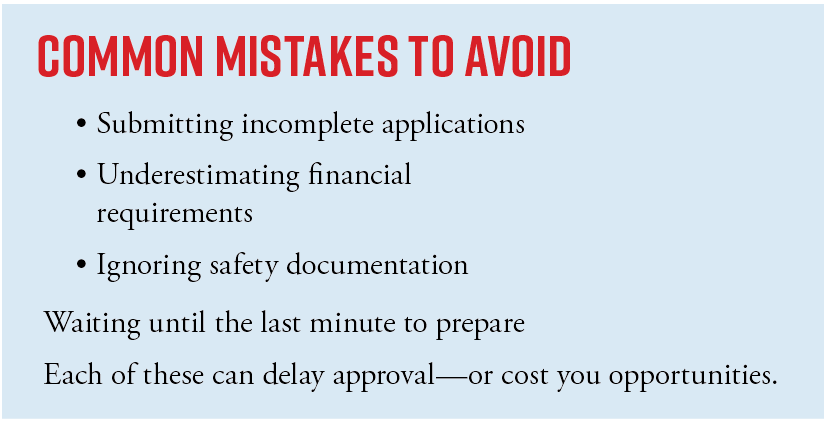
Common Mistakes to Avoid
- Submitting incomplete applications
- Underestimating financial requirements
- Ignoring safety documentation
- Waiting until the last minute to prepare
Each of these can delay approval—or cost you opportunities.
How to Get Registered with TxDOT outlines the essential steps contractors must follow to work on Texas transportation projects. From business setup and vendor registration to prequalification, bonding and certification programs, the process helps contractors gain access to TxDOT bidding opportunities and long-term infrastructure work across Texas.
Source: TxDOT.gov