
A brief FAQ for firms
Continuing design work now to have construction-ready projects as we all emerge from this uncertain time will benefit your clients, even if their budgets have been slashed and their business cycles have been disrupted. You might not have qualified as an essential worker in the parlance of this pandemic, but the work you are doing (and will do) is inarguably essential.
What does “construction-ready” (or “shovel-ready”) really mean?
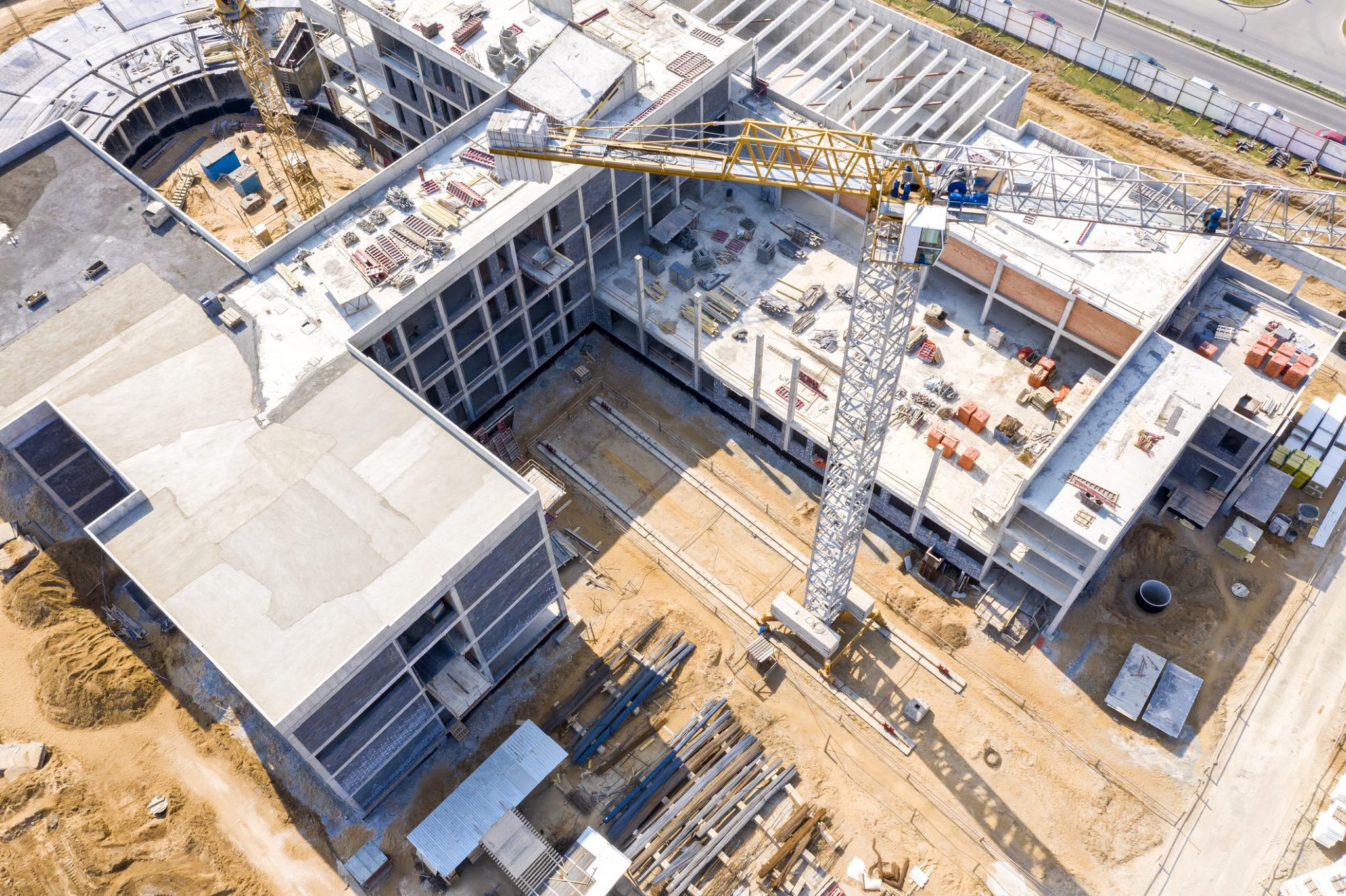
These are the projects that will be first in line for completion (and, ostensibly, occupancy and/or leasing) owing to their maturity in the development and permitting process, provided that funding is secured.
Why are these projects important?
These projects will likely save owners and clients money, given possible material or labor shortages, by being ahead of more nascent projects as metropolitan areas and communities emerge from this public health and economic crisis in different ways. But, in a larger sense, the re-commencement of these projects signifies the first steps in an economic recovery, whether they are deemed immediately essential or not.
These projects are also important because they might present a seasonal opportunity to complete work. A good example is schools, which will have zero occupancy this summer and, in light of this pandemic, might need serious work in short order to welcome students back in September.
How can you plan for contingencies?
Be flexible in the materials or equipment you source by specifying multiple options, allowing proposed substitutions, and welcoming what can only be called “the unexpected.” Keep in contact with suppliers for updates on those products and materials, and find creative ways to compromise. They might not have all of what you need for one aspect of a project, but by some fluke of the supply chain, they might have a surfeit of another kind of material that they could sell you at a reduced price.
Speaking of the supply chain, double down on locally manufactured products and materials. It’s a shorter physical distance to you and your site, it’s a vital show of support for your community, and it’s better for the environment.
Are there new health and safety considerations for projects?
In short, yes, but those protocols vary slightly for projects slated to restart (or that have restarted already) depending on the jurisdiction. Familiarize yourself with state-, county-, and even city-issued guidelines. They will be coordinated and similar in tone and content to a large degree, but they might have subtle differences that you and your client will need to observe.
For example, in re-commenced construction projects in Washington, one of earliest and hardest-hit states for COVID-19, workers must remain six feet apart; contractors must develop and post their own control, mitigation, and recovery plans; and workers must don employee-provided personal protective equipment. Santa Clara County, which encompasses San Jose and Silicon Valley in California, also requires contractors to develop and implement site-specific safety plans as well as a daily “tailgate session” with workers to review protocols, among other directives. Responsible RestartOhio further recommends staggering work shifts, breaks, and lunch hours at all construction sites.
What about code compliance?
Code officials have been working through this crisis as you have, remotely and with an eye toward the day projects start up again. But their review process has been hampered by the unevenness of code digitization. Nearly one-third (27 percent) of jurisdictions use only hard copies, which proved difficult to circulate in March, April, and May. When you consider that 40 percent of jurisdictions cannot offer electronic plan reviews, 30 percent cannot offer electronic permitting, and 61 percent cannot offer electronic or remote permitting, you can anticipate a backlog when projects come back online. Bear this in mind, and plan for it with your clients.
Source: AIA