
A DATA TRANSFORMATION IN AMERICA’S ENERGY FRONTIER

iStock 157282219

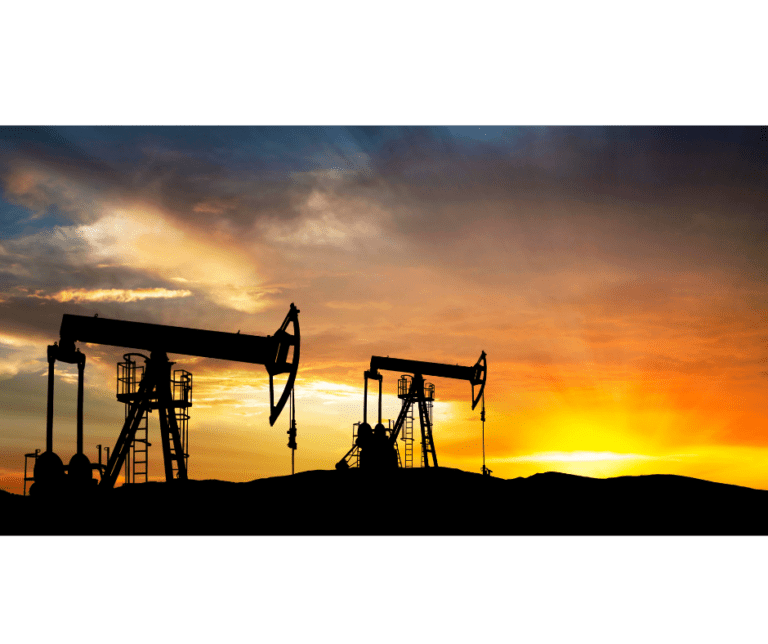
Welcome to the oilfield of the future, where wells across hundreds of miles communicate with each other and operators can rely on data-driven insights and real-time automation to make faster, smarter decisions.

Often found in remote corners of the world, these fields of the future will rely on a similar digital network that everyday consumers count on – like smart home thermostats and mobile banking apps, which help limit energy use and drive more productivity.

In the Permian Basin, one of America’s most bountiful unconventional fields, ExxonMobil engineers and Microsoft programmers are working on a digital transformation that will maximize output from ExxonMobil’s more than 1 million acres of operation, making this the largest-ever oil and gas acreage to use cloud technology.

“There is ripe opportunity for the energy industry to transform how we leverage our data flows,” said Anish Patel, ExxonMobil’s Permian technology integration manager. “What was possible 10 years ago is nothing like what we’re doing today, and that trend of rapid innovation will only exponentially accelerate going forward.”

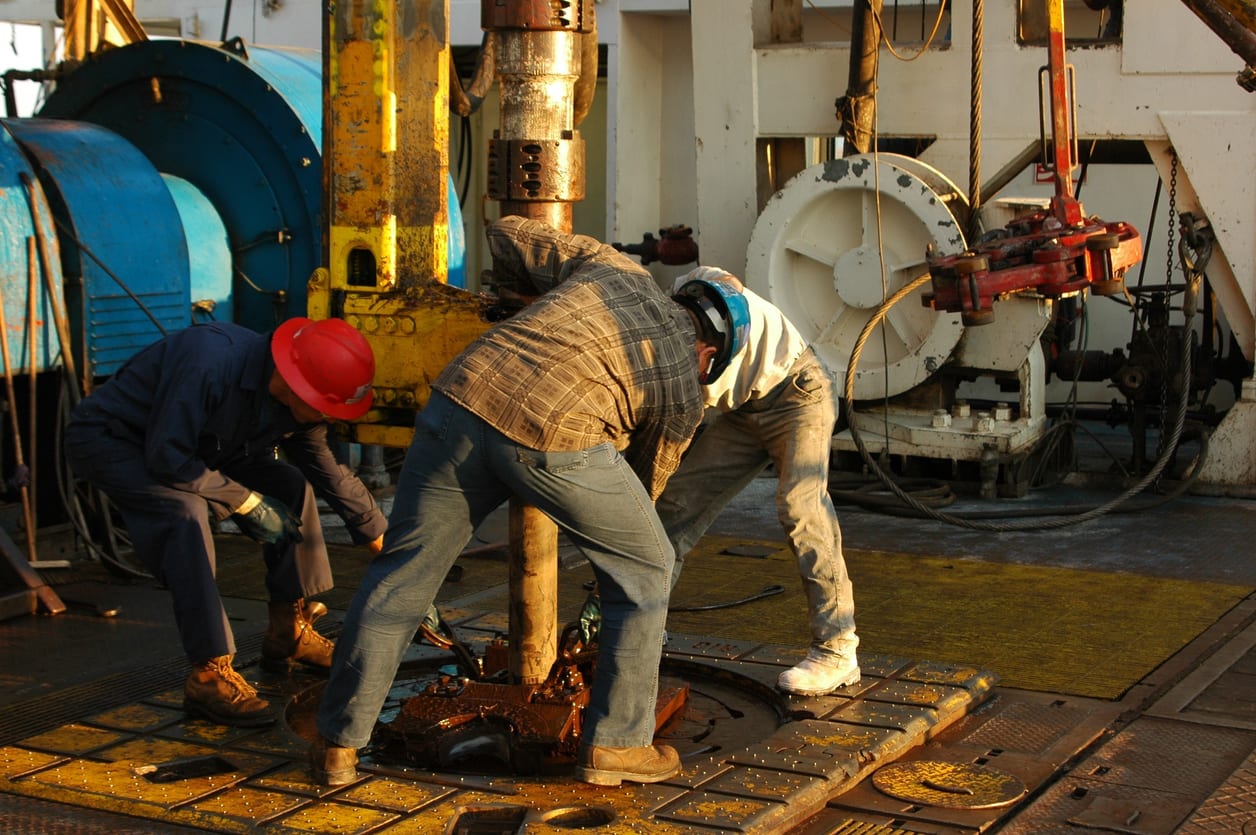
The suite of Microsoft digital tools will allow field operators to collect loads of data every second, which can be analyzed by onsite operators, engineers and researchers across the country. Sensors will be able to deliver real-time data, like pressure and flow rates from wellheads, to cloud computing solutions that can run thousands of computations per second, allowing for quicker analysis of production.

“Microsoft is focused on the business outcomes of our customers, with customer success as a top priority for empowering organizations to achieve more,” said Kate Johnson, president, Microsoft U.S. “Our partnership with ExxonMobil has the potential to transform the energy industry in how to leverage data to increase and maximize production.”

Ultimately, the partnership with Microsoft is expected to generate billions of dollars in value over the next decade, driving capital efficiency and increasing production by up to 50,000 barrels of oil equivalent per day by 2025.


Source: ExxonMobil
Similar Posts

  • Oil & Natural Gas Industry Engineering Successful Opportunities for People of Color and Women

    FacebookXRedditPinterestEmailLinkedInWhatsApp By Stacy M. Brown, NNPA Newswire Senior National Correspondent Amanda Eversole spent 13 years in the U.S. Chamber of Commerce in Washington, D.C., where she cemented a legacy of leadership and innovation before joining JP Morgan Chase, where she created a framework for the firm’s philanthropic approach. Now, as executive vice president and chief…

  • Energy, Manufacturing, Labor and Business Groups Urge Senate To Oppose Punitive Natural Gas Tax

    FacebookXRedditPinterestEmailLinkedInWhatsApp By Subcontractors USA News Provider Recently, the American Petroleum Institute (API) and 130 energy, manufacturing, business and labor trade organizations across the natural gas and oil supply chain sent a letter to the U.S. Senate Committee on Environment and Public Works opposing legislation that would place a fee on methane. The organizations, led by…

  • ConocoPhillips Heads Diversity and Inclusion Efforts in the Oil and Gas Industry

    FacebookXRedditPinterestEmailLinkedInWhatsApp By Stacy M. Brown, NNPA Newswire Senior National Correspondent With projections that half of its workforce will consist of minorities by 2040, the oil and gas industry has continued to recruit individuals of color, women, veterans, and groups that have been mainly underrepresented. At ConocoPhillips, Shawn Green and Maalika Moore-Thomas each take an optimistic…

  • ExxonMobil Plans Reduction to U.S. Staffing Levels

    FacebookXRedditPinterestEmailLinkedInWhatsAppBy Subcontractors USA News Provider As part of an extensive global review announced earlier this year, the company plans to reduce staffing levels in the United States, primarily at its management offices in Houston, Texas. The company anticipates approximately 1,900 employees will be affected through voluntary and involuntary programs. The workforce reductions are the result…

  • Oil and Gas Sees Widescale VR Deployment

    FacebookXRedditPinterestEmailLinkedInWhatsApp The oil and gas industry is witnessing wide-scale deployment of virtual reality (VR) technology across its value chain. That’s according to GlobalData, which has produced a new report exploring how VR is finding its way into the upstream, midstream and downstream sectors. In the report, the company identified the following oil and gas players among…