Eli Lilly’s $6.8 Billion Investment in Generation Park is more than a major economic development announcement for the Houston region—it is the result of decades of planning, infrastructure investment and long-term vision. From the early development of Beltway 8 and Houston’s continued population growth to strategic land investments, expanded water infrastructure and Generation Park’s evolution into a hub for life sciences and advanced manufacturing, the project demonstrates how transformative investments rarely happen overnight. The story behind Eli Lilly’s decision reveals how preparation across generations can ultimately position a region to compete for—and win—projects of global significance.
How long does it take to build a $6.8 billion pharmaceutical manufacturing campus?
Most people would say five or six years.
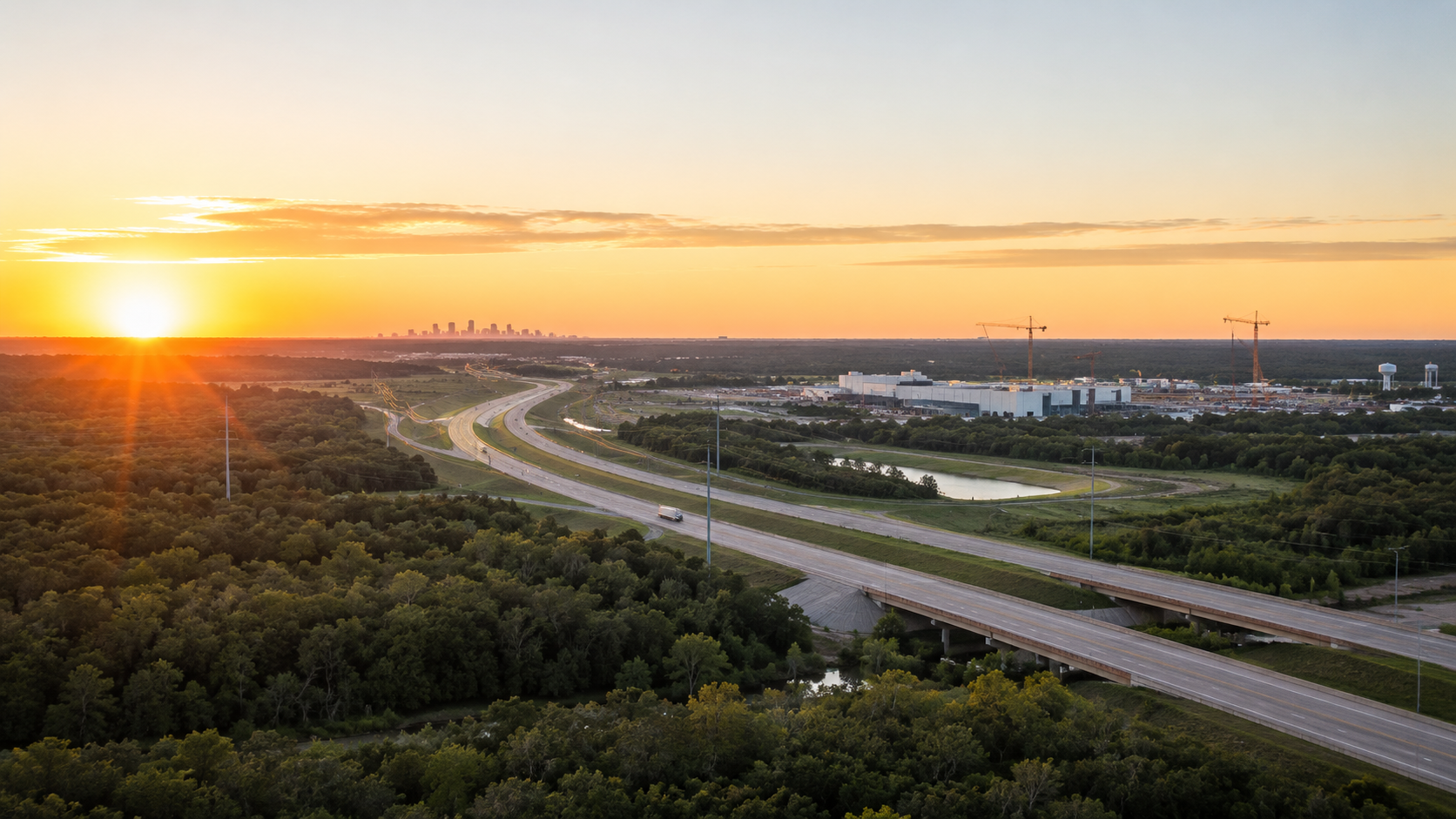
I believe the answer is closer to 80 years when deer, wild hogs, coyotes, bobcats, and other animals were roaming freely in the forests and low swamp lands in northeast Houston.
Why is this?
Because projects of this magnitude do not begin with an architect’s drawing or a contractor’s mobilization or even with a corporate announcement. Projects like these begin decades earlier with national priorities, transportation planning, public infrastructure, visionary developers, and regional preparation for major population growth.
With the ending of WWII in 1945, the subsequent signing of the Bretton Woods agreement making the U.S. dollar the global reserved currency backed by gold in 1946, the passing of the GI Bill, the start of Baby Boomer generation and a migrating labor force, shortly thereafter, the City of Houston planners, business and community leaders began thinking about how to prepare Houston for a significant influx of people.
This population and labor growth included Veterans returning from the war and starting families, to rural folks moving from East Texas, Louisiana, Arkansas and temporary workers from Mexico to obtain jobs in logistics, warehousing, oil and gas, education, the port, railroads, manufacturing, housing, and other industries rising.
And sometime between 1946 and the early 1950’s, City of Houston planners started envisioning ways to manage post WWII growth; and in 1952 the City of Houston leaders proposed the Outer Belt 8 and identified this loop on paper.
And in 1957, the Outer Belt 8 Road was built which cemented the alignment of the future Beltway 8 Outer Loop that would begin actual construction many years into the future in 1985. I used to travel on this dark outer belt 8 road for years while driving to Channelview, Texas or to the Beaumont-Orange-Port Arthur triangle after connecting via I-10 or even farther when driving into Louisiana.
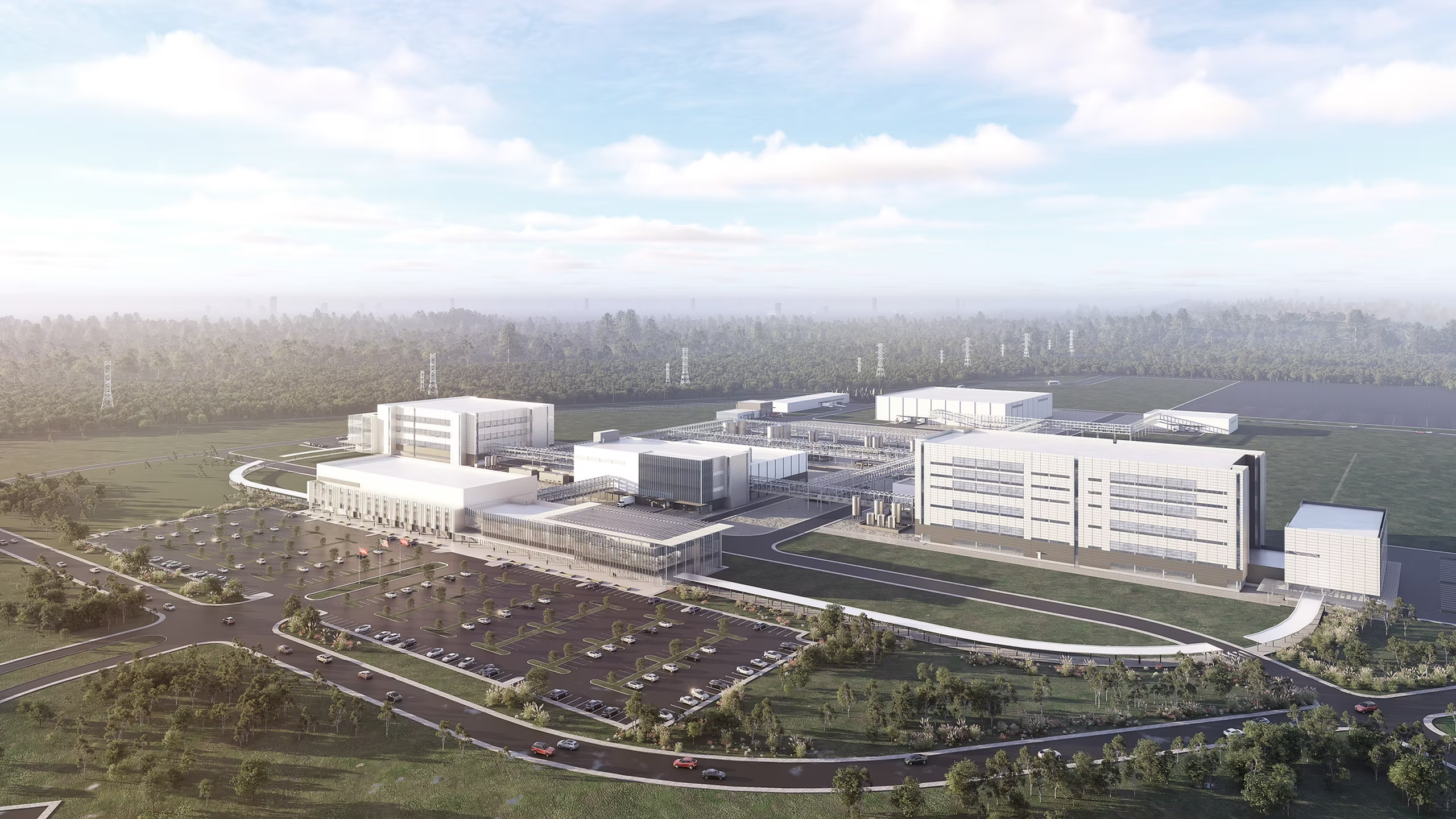
So, Helen, what does all of this have to do with Eli Lilly’s $6.8 billion bio-pharmaceutical plant in Generation Park?
Some real estate developers are said to be or have been “Visionaries”. They could just see or have a gut feeling about where growth would occur and then made investments based on what they saw or felt. Rick McCord, the developer of Generation Park, was considered to have been such a Visionary from stories that I have heard from folks in the Kingwood, Texas having known Rick.
A few years after Rick McCord moved to Houston after serving in Korea, he starts McCord Development in the early 1970’s when Houston was booming in oil and gas and lots of construction was underway.
From 1973 to the 1980’s, McCord Development focused on multi-family housing, office and industrial projects.
But here’s where I think the story begins to light up and become interesting, in the same year -1985 – when the Harris County Toll Road Authority (HCTRA) began construction on the Sam Houston Parkway called the Beltway 8, Rick McCord began purchasing land in northeast Houston known as Sommerwood (heading east and is on the south side of Beltway 8) and eventually buys additional land today known as Generation Park (still heading east and is on the north side of Beltway 8).
Where transportation (infrastructure) goes, rooftops follow.
And, for the McCord Development, these rooftops, leveraging Beltway 8, involved a master plan single family housing development (Sommerwood) and with the later acquired land that became Generation Park was designated as a mixed-use business enterprise park consisting of corporate headquarters, offices, industrial, logistics, retail, hospitality, education, recreation and residential.
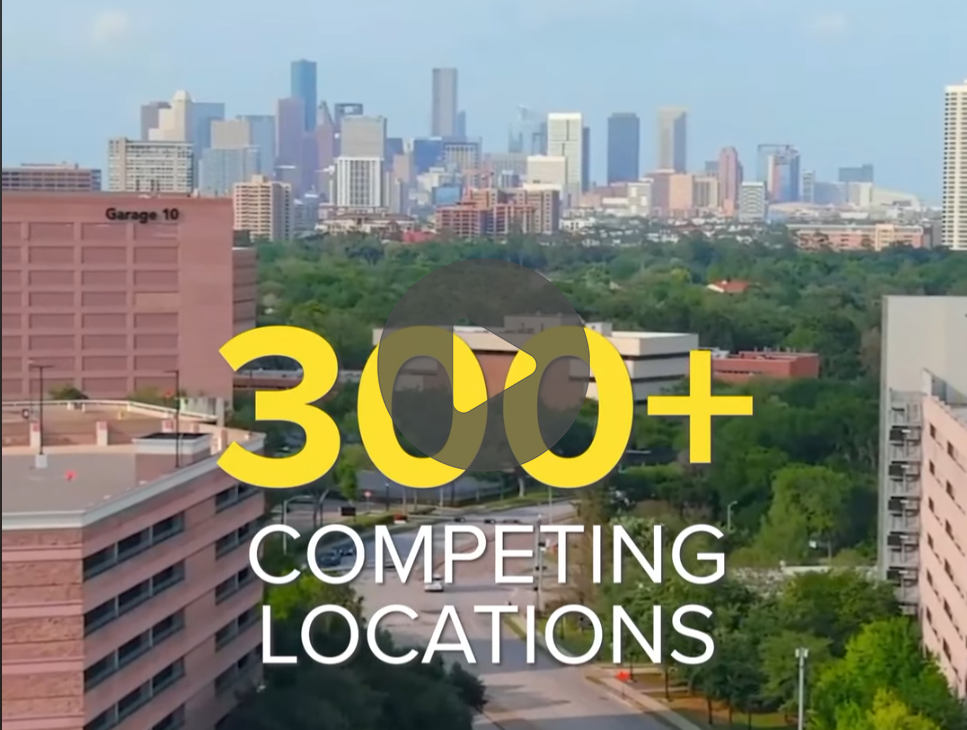
The Sommerwood land including Generation Park is about 5 miles east of Hwy 59 / I-69 which provides ideal access to downtown Houston, is approximately 10 miles from Bush International Airport and is not too far from the Port of Houston. With this proximity, ease of access, and soon to be by the Outer Belt 8 or Sam Houston Parkway, McCord’s investments were at the beginning of an economic boom in northeast Houston making his Sommerwood with Generation Park decision to be a brilliant move.
HCTRA completed construction of the northeast segment of Sam Houston Parkway in 2011. And while this construction was finishing up, McCord had made a commitment and was having a sufficiently long investment horizon to allow multiple generations of public infrastructure, transportation, demographics, and capital markets to mature around land he controlled. I call this time for “all the stars to line up!”
Based on research of business journals and other news media articles, here’s how the rest of the McCord Generation Park story has unfolded leading to the huge $6.8 billion Eli Lilly win.
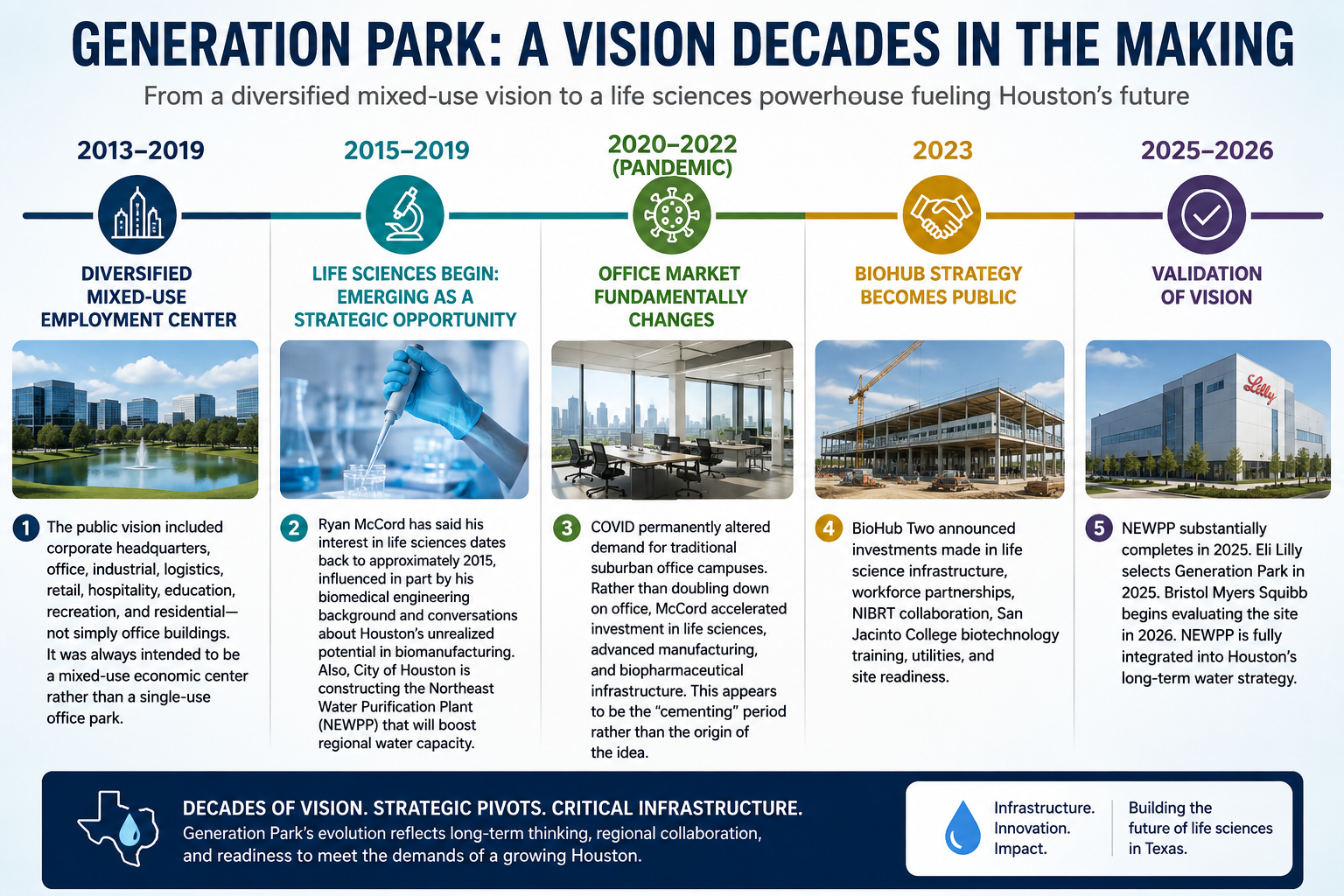
IN CLOSING
From recalling my talks with Harris County Judge Jon Lindsay (HCTRA Visionary and instrumental in making SH Beltway 8 happen) and looking back over the past 80 years, here is what is clear to me:
- Eli Lilly didn’t simply choose Generation Park. They chose decades of planning, transportation, infrastructure, and developer visions that had converged.
- Generation Park spent 40 years or so positioning itself to compete for the type of capital that national priorities would eventually create.
- Great regions, like the Houston area, do not stand flat-footed waiting for opportunity. They prepare for it!
And somewhere between the preparation and the day a facility like Eli Lilly opens its doors in Houston lies one of construction’s most important milestones… Regulatory approvals! Because regardless of whether capital is from public bonds or corporate boardrooms, every project must eventually navigate local area permitting before becoming jobs, training centers, advanced manufacturing, and stronger communities.