
A Volvo Construction Equipment survey of 205 U.S. and U.K. construction workers found that 31% of respondents were fearful that artificial intelligence and robotics would replace them on jobsites. While that is a common conception about the technology, an even larger chunk, 46%, was concerned about perceived safety risks involved with that kind of machinery.
The possible negative impacts of AI and robotics on the social aspects of their jobs worried 26% of respondents, and not knowing who to blame when something goes wrong concerned 17%. About half of the machine operator respondents (48%) believed that they were at risk of losing their jobs to technologies, and as well as engineers (21%), bricklayers (17%) and construction managers (16%).
On a positive note, 54% of participants responded that advanced technology will make construction sites more productive, 48% said it would increase the pace of work, and 30% said safety would be improved. Respondents between the ages of 25 and 44 were more likely than their older counterparts to see AI and robotics as a benefit to the jobsite. The construction survey is part of a larger survey of more than 2,000 people conducted earlier this year in association with consulting firm Censuswide.
Dive Insight:
As contractors face tighter schedules and a shrinking pool of qualified workers, they are turning to technology to ensure that they can produce at a level necessary to keep their customers happy and take on more projects.
In fact, McKinsey & Co., in an April 2018 report said the technology could be particularly helpful in the areas of quality control, management of contractor claims, staffing logistics, project tracking and risk management. In another report, the company said that machine learning, 3D printing, modular construction, drones, laser scanning, virtual learning and robotics were among the technologies gaining the most popularity.
For some companies, embracing new technology might be as simple as incorporating exoskeletons, which let jobsite employees work longer but with fewer injuries and less fatigue. In the U.K., for example, a utility contractor is testing the EksoVest, which is a spring-loaded exoskeleton that supports workers’ arms as they lift objects at chest level or higher.
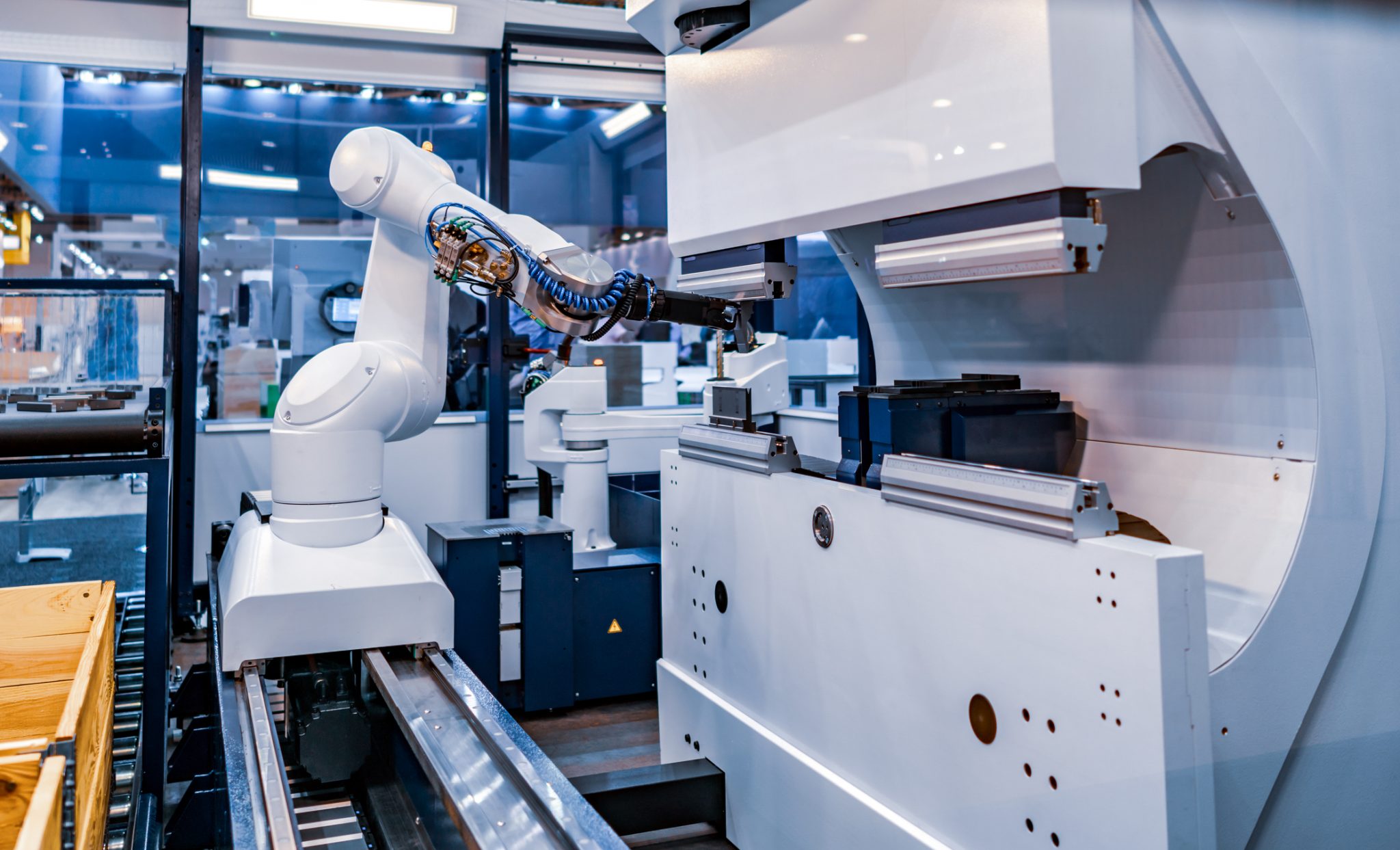
Or, for a more technologically advanced boost in productivity, collective robotic construction could be the answer. According to a study from Science Robotics, collective robotics allows contractors to integrate design and construction through the use of several robotic systems that share the same environment and communicate with each other. These autonomous robots could aid in large-scale construction, site prep, demolition, scaffold assembly and breakdown, as well as other activities through the lifecycle of a project.
Source: Construction Dive