

API Publishes First-Edition Document Enhancing Safety of Onshore Drilling and Production

Pics 49

By Subcontractors USA News Provider

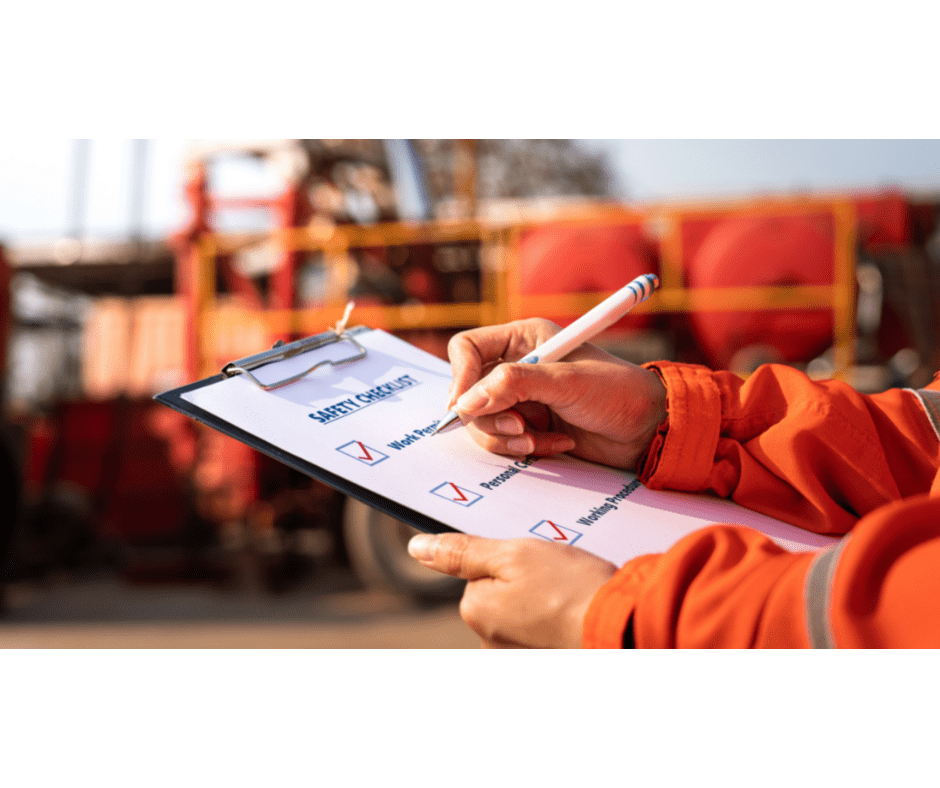
Today the American Petroleum Institute (API) published an important first-edition document focused on improving the safety of onshore drilling and production operations. API Bulletin 16H, Automated Safety Instrumented Systems for Onshore Blowout Preventer Actuation, is the first upstream document that provides information on existing and emerging technologies to bring a well to a safe state if other operational barriers fail.

“Our mission is to drive continuous industry improvements while keeping up with emerging technology,” Global Industry Services Senior Vice President Anchal Liddar said. “This first-edition API bulletin about onshore automated safety instrumented systems showcases our commitment to evolving technologies that contribute to safety and sustainability.”

The bulletin provides recommendations for the equipment, interfaces, and management of automated safety systems and alarms for blowout preventers. In an onshore environment, an automated safety instrumented system is designed to bring the well to a safe state in the event that site personnel do not recognize a serious well control incident or are unable to respond to one. Safety instrumented systems have been utilized in process facilities – refining, chemical, and nuclear – as an integral part of a critical process system and this bulletin expands this usage into upstream natural gas and oil.

The document states original equipment manufacturers should consider existing and emerging technologies to conduct risk assessments, evaluate equipment compatibility and perform functional testing to develop a safety instrumented system to place a well in a safe state. Additionally, the bulletin provides an overview of components for future research into developing automated well control actuation systems.

Developing and fully implementing automated safety instrumented systems has the potential to transform and empower natural gas and oil exploration and production. These technologies can help automate and expand ways to mitigate unexpected well control events driving safety and operational improvements for the industry and reducing the risk of fugitive emissions arising from these events.

To learn more about API Bulletin 16H and other efforts to advance safety and sustainability, visit API.org.

API represents all segments of America’s natural gas and oil industry, which supports more than 11million U.S. jobs and is backed by a growing grassroots movement of millions of Americans. Our nearly 600 members produce, process, and distribute the majority of the nation’s energy, and participate in API Energy Excellence, which is accelerating environmental and safety progress by fostering new technologies and transparent reporting. API was formed in 1919 as a standards-setting organization and has developed more than 700 standards to enhance operational and environmental safety, efficiency, and sustainability.

Source: American Petroleum Institute (API)

Similar Posts

  • Bush Airport’s Expansion Program Moves Forward

    FacebookXRedditPinterestEmailLinkedInWhatsApp By Subcontractors USA News Provider In spite of the unprecedented air travel challenges fueled by the coronavirus pandemic, it’s an exciting time at George Bush Intercontinental Airport, IAH. Construction on the IAH Terminal Redevelopment Program, ITRP, is moving forward.  ITRP is a billion-dollar, multi-year expansion program that will upgrade and modernize several areas of…

  • Women, Black, and Hispanic/Latino Workers Underrepresented in US Clean Energy

    FacebookXRedditPinterestEmailLinkedInWhatsApp By National Newspaper Publishers Association As Congress considers the most significant domestic investment ever made to speed America’s transition to clean energy, a new employment report from a collaboration of business, equity, and energy organizations highlights the need for Congress to include funding to advance diversity in clean energy and ensure women, disadvantaged communities,…

  • Obtaining a Home Remodeling Project Building Permit may not be Your Idea of Fun, but…

    FacebookXRedditPinterestEmailLinkedInWhatsApp The truth is pulling a residential building permit when required is the right thing to do for your customer and it minimizes your liability as a contractor. It is exciting to see trucks rolling, hammers swinging, and a lot of contractors participating in the estimated $450 billion home remodeling market in the U.S.  And…

  • Harris County’s New Construction Safety Policy

    FacebookXRedditPinterestEmailLinkedInWhatsApp A new policy introduced by Harris County Attorney Christian D. Menefee to improve the safety of workers on Harris County construction projects was unanimously adopted by the Commissioners Court. Thousands of working people are killed on the job every year, and millions more suffer serious injury or illness. This takes an enormous emotional and…

  • How industry drone leaders scaled their programs

    FacebookXRedditPinterestEmailLinkedInWhatsApp Just a few years ago, enterprise adoption of drones was out of reach for even the largest contractors, due to tight Federal Aviation Administration regulations and limited options in the drone hardware and software marketplace. But with the development of the Small Unmanned Aircraft System (UAS) Part 107 regulations in 2016 — eliminating the requirement that commercial…

  • No One Will Tell You About the Permitting “Have You Thought About” Questions Relayed During the Subcontractors’ USA 2022 Industry Awards Luncheon

    FacebookXRedditPinterestEmailLinkedInWhatsApp By Helen Callier, Contributing Writer   “What does attending the recent Subcontractors’ USA Top 25 Subcontractors Awards Luncheon have to do with building permitting?” Aside from the fact that there was a super networking environment, tasty food, and a great jazz musician adding to the ambiance, there were anchor institutions like Dallas Independent School District…