By Subcontractors USA News Provider
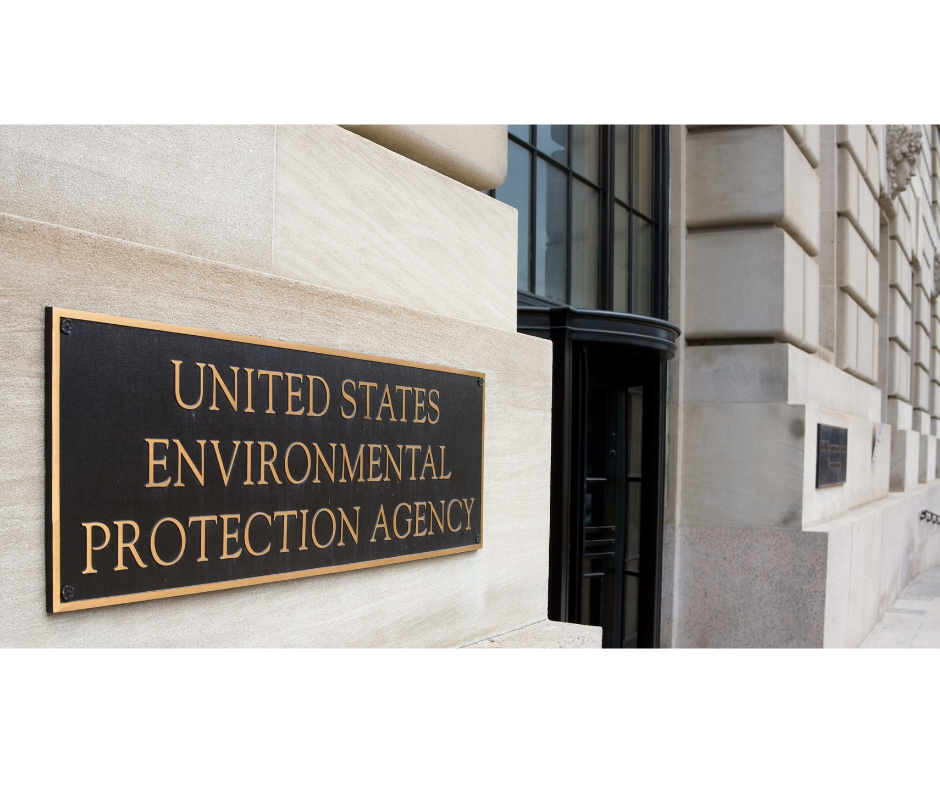
The American Petroleum Institute (API) recently submitted comments on the Environmental Protection Agency’s (EPA)’s proposed methane regulations, emphasizing support for the direct regulation of methane for new and existing sources and highlighting the industry’s progress in reducing methane emissions intensity from operations.
“Reducing methane emissions is a priority for our industry, and we are committed to advancing the development, testing and utilization of new technologies and practices to better understand, detect and further mitigate emissions,” API SVP of Policy, Economics and Regulatory Affairs Frank Macchiarola wrote in the submitted comments. “API supports the cost-effective direct regulation of methane from new and existing sources across the supply chain and directionally supports the EPA proposal to reduce VOC and methane emissions.”
API’s comments highlighted the action energy producers are taking to drive down methane emissions. “In recent years, energy producers have implemented leak detection and repair programs, phased out the use of high-bleed pneumatic controllers, and reduced emissions associated with flaring – voluntarily and under federal and state regulations,” Macchiarola noted.
Thanks to innovation and industry initiatives like The Environmental Partnership, average methane emissions intensity declined by nearly 60 percent across all seven major producing regions from 2011 to 2020, even as American production increased. The Environmental Partnership – which includes nearly 100 companies who make up more than 70 percent of total onshore U.S. oil and natural gas production – has implemented a series of methane emissions reducing programs in every major oil and natural gas basin across the country, launched a new flare management program to help companies to avoid flaring and minimize emissions when flaring does occur, and safely implemented two new midstream-focused environmental performance programs.
EPA has yet to publish the rule text for the proposed regulations, but API based its comments on the preamble text and focused on the effectiveness of emission reduction strategies, safety, feasibility, operability, and cost, and where appropriate, recommended alternative approaches. API highlighted support for a number of EPA’s proposed provisions, including for the importance of provisions enabling operators to take advantage of new and emerging leak detection technologies.
API also called on EPA to publish the full text before setting the new source applicability date. As Macchiarola noted, “Without regulatory text, affected facilities cannot know with certainty what regulatory requirements EPA has proposed and are thus unable to reasonably plan to comply with the final rule.”
“API is committed to working with EPA and the administration as it develops and finalizes regulations that are cost-effective, facilitate innovation and further the progress made in reducing emissions, to ensure that the oil and gas industry can continue to provide the world with the affordable, reliable energy it needs while reducing emissions and addressing the risks of climate change,” Macchiarola said.
API represents all segments of America’s natural gas and oil industry, which supports more than 11 million U.S. jobs and is backed by a growing grassroots movement of millions of Americans. Our nearly 600 members produce, process and distribute the majority of the nation’s energy, and participate in API Energy Excellence®, which is accelerating environmental and safety progress by fostering new technologies and transparent reporting. API was formed in 1919 as a standards-setting organization and has developed more than 700 standards to enhance operational and environmental safety, efficiency and sustainability.
For more information, please visit api.org.
Source(s): American Petroleum Institute