
The price of materials and services used in nonresidential construction declined by 1.1 percent from July to August as a steep drop in fuel prices masked increases in the cost of other construction inputs, according to an analysis by the Associated General Contractors of America of government data released recently. Association officials cautioned that limited price declines cannot undo the harm of clogged supply lines and labor shortages.
“Today’s price report highlights the mixed conditions contractors are experiencing, with many costs still rising sharply while others take a breather,” said Ken Simonson, the association’s chief economist. “Meanwhile, an industry survey we recently released found that supply-chain issues and labor availability are delaying many construction projects.”
The survey, which the association conducted with Autodesk and released on August 31, asked construction firms about the impact of shortages and delivery delays on project completion times, among other topics. Eighty-two percent of firms reported projects had been delayed due to longer lead times or shortages of materials, while 66 percent reported delays due to shortages of employees or subcontractors.
The producer price index for inputs to nonresidential construction—the prices charged by goods producers and service providers such as distributors and transportation firms—decreased 1.1 percent from July to August but nevertheless rose 13.0 percent since August 2021. The index for energy used in nonresidential construction plunged 13.1 percent for the month. In contrast, the index for goods other than energy and food rose 0.3 percent after declining for two months. The index for services was similarly mixed, with an overall dip of 0.4 percent but with a 1.2 percent increase in the index for services other than trade, transportation, and warehousing.
Prices of several widely used goods rose in August, partially offsetting declines in fuel, lumber, and some metal products prices. The price index for gypsum building materials such as wallboard jumped 3.3 percent for the month. Indexes rose for construction machinery and equipment (2.6 percent), flat glass (2.4 percent), copper and brass mill shapes (2.0 percent), ready-mixed concrete (1.6 percent), and asphalt paving mixtures and blocks (1.0 percent). Among services, the price index for equipment rental and leasing climbed 3.7 percent.
These increases were more than offset by one-month decreases in August in the index for diesel fuel, -13.4 percent; steel mill products, -5.7 percent; aluminum mill shapes, -3.9 percent; and lumber and plywood, -2.9 percent. The fuel price drop contributed to a 1.9 percent fall in the index for truck transportation of freight.
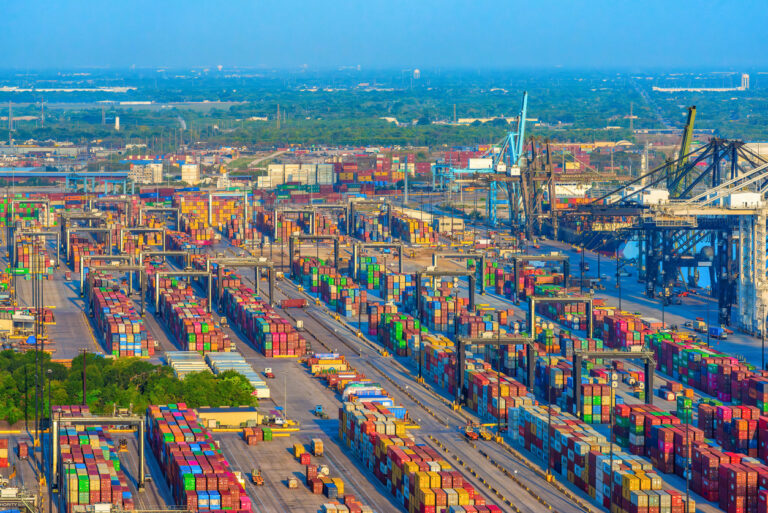
Association officials said supply-chain disruptions like a potential rail strike, along with a shortage of qualified construction workers, threaten to delay and increase the cost of much-needed infrastructure and manufacturing construction. They urged public officials to help keep freight moving and invest in workforce development.
“Declines in materials costs mean little if neither goods nor workers are available,” said Stephen E. Sandherr, the association’s chief executive officer. “Federal officials need to do all they can to remove supply bottlenecks and invest in construction education and training programs.”
For more information, please visit agc.org.
Source: Associated General Contractors of America