
Autonomous technologies can help alleviate the labor shortage

iStock 1143731905 scaled

Robots, machinery and software promise to aid with the skilled labor shortage, or at the very least free up managers’ and other workers’ time so they can focus on more important tasks. 

In the next three decades, as many as 2.7 million construction jobs could become automated, according to a report from the Midwest Economic Policy Institute. That could result in $30 billion in reduced labor costs in 2020 dollars, the report says.  

Here are some tasks that automation is promising to aid.  

Robots take on jobsite tasks

Most autonomous innovations are for simple, but time-consuming tasks on the jobsite, namely image capture and laser scanning that provide imagery of a project’s progress. 

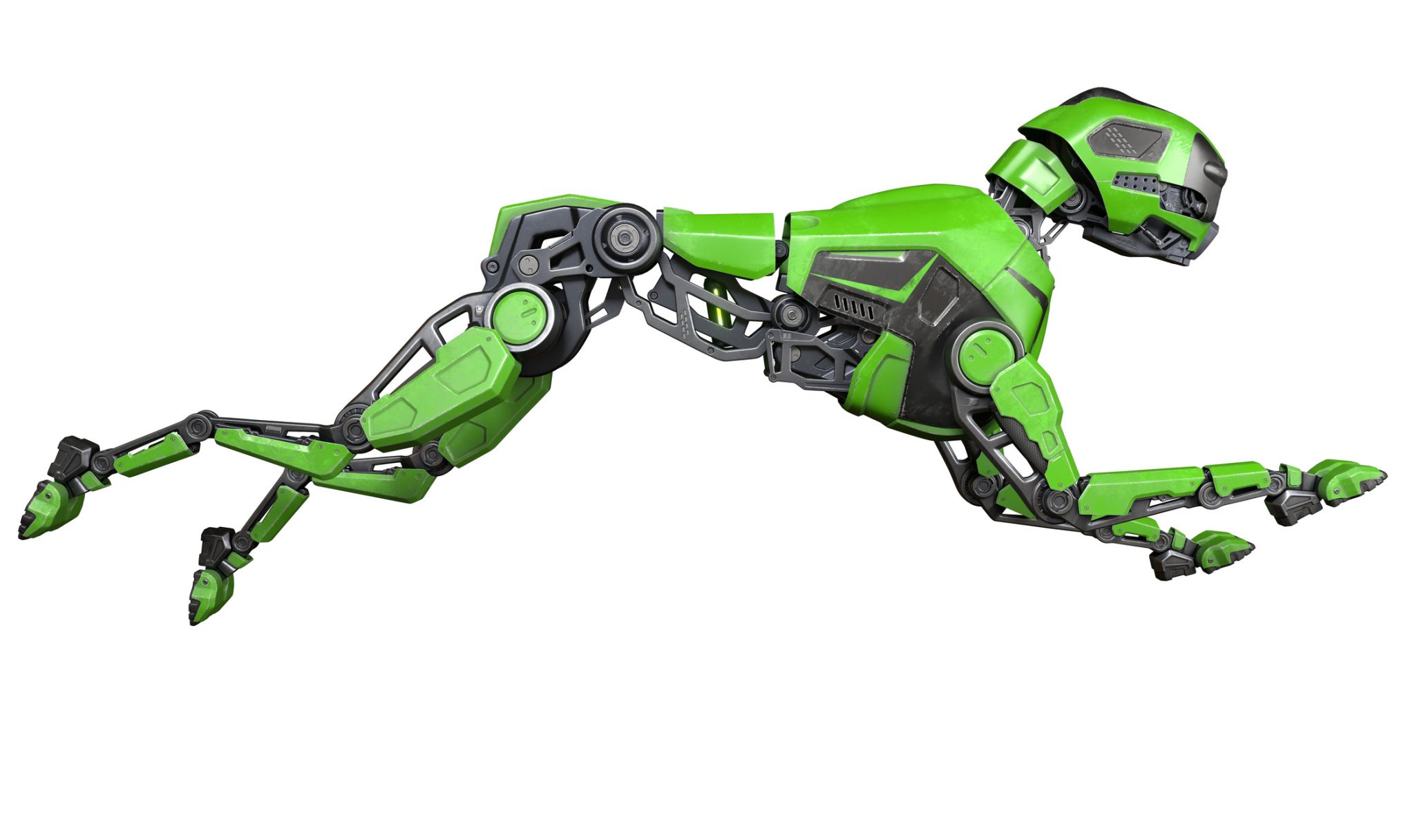
Boston Dynamics is continuing to market its autonomous tech to contractors. Its Spot the robot dog patrols jobsites autonomously, following along pre-planned routes to take image captures.  A human may only get to this task a few times a week but the robo dog can walk the site any time. Also, the technology allows construction site managers and others to continue working on other assignments or tasks.

Hensel Phelps sicced Spot on a site for tests, trying out HoloBuilder’s SpotWalk app, which allows the robotic dog to perform reality capture of jobsites regularly.

Boston-based Windover Construction created a solution with software developer RCML to implement a solution on an existing robot. The two-tracked robot is able to move around jobsites to perform laser scans and make drawings of a site with precise accuracy — both jobs that would require a lot of time and effort if done by a person. 

In terms of jobsite security, British robot developer Casta Spes Technologies has developed the Ziva robot — a two-wheeled robot that can patrol construction sites and use facial recognition technology to recognize people who should and shouldn’t be on jobsites. Though not yet marketed in the U.S., Casta Spes’ CEO Selby Cary told Construction Dive it will sell it in the Americas in the future. 

Other tasks for robots

Automated machines filling jobs means not just supplementing the construction process, but performing physical tasks on site. 

Built Robotics announced last month the unveiling of 100% autonomous software for construction excavators and bulldozers. Built outfits existing construction machinery with its software and trains managers to ensure they operate the equipment properly, using GPS guidance systems. With this technology, a manager can look over multiple excavators or bulldozers at once.

Other automation options are more niche, such as a robot designed to tie rebar, usually for work on bridges. The Tybot must be set up and placed on the jobsite, but is then able to tie rebar autonomously.

Source: Construction Dive

Similar Posts

  • Which face coverings are best for preventing jobsite coronavirus spread?

    FacebookXRedditPinterestEmailLinkedInWhatsApp While any face covering will help contain the usual droplets that come from coughing, sneezing and even speaking, there are things to look for in a face covering to maximize jobsite safety from the coronavirus.  Researchers at Florida Atlantic University’s College of Engineering and Computer Science, using flow visualization testing in a laboratory equipped…

  • Fort Bend Independent School District

    FacebookXRedditPinterestEmailLinkedInWhatsApp Small Business Enterprise Program By News Provider The Fort Bend Independent School District’s Small Business Enterprise Program (“SBEP”) provides increased business opportunities for locally certified small businesses to participate in contracting and procurement at the District. FBISD has set an annual SBEP participation goal of twenty-five (25%) percent of the dollar amount of all…

  • 8 Tips for Finding Government Contracting Opportunities

    FacebookXRedditPinterestEmailLinkedInWhatsApp By Caron_Beesley, Contributor for SBA Despite recent budget cuts, the U.S. federal marketplace remains a lucrative opportunity for small businesses. The federal government typically spends approximately $500 billion in contracts every year and the law requires that 23 percent of these dollars be awarded to small businesses. But doing business with the largest purchaser of…

  • U.S. Department of Labor Announces Availability of $11.5 Million In Worker Safety and Health Training Grants

    FacebookXRedditPinterestEmailLinkedInWhatsApp The U.S. Department of Labor’s Occupational Safety and Health Administration (OSHA) today announced the availability of $11.5 million in Susan Harwood Training Grants for nonprofit organizations, including community and faith-based organizations, employer associations, labor unions, joint labor/management associations, Indian tribes, and colleges and universities. The Harwood Training Grant program supports in-person, hands-on training for workers and…

  • Texas Instruments introduces its first educational robot

    FacebookXRedditPinterestEmailLinkedInWhatsApp The TI-Innovator™ Rover Put STEM into motion with new calculator-controlled robotic car for the classroom By News Provider DALLAS, Sept. 14, 2017 /PRNewswire/ — Texas Instruments (TI) today announced the TI-Innovator™Rover, the company’s first robotics solution for middle and high school students that makes learning STEM subjects a moving experience. Students can write programs on their TI graphing calculators…

  • Jobsites’ most universal hazard: personal cellphones

    FacebookXRedditPinterestEmailLinkedInWhatsApp The use of mobile phones for wireless streaming of music, podcasts or other entertainment is everywhere. Walk down any street in the country and you’ll often see more people wearing headphones than those that aren’t. Some of these listening devices even come equipped with sound-canceling features that completely block off noises from the outside…