CenterPoint Energy Assessing Damage from Tuesday Storms in Houston Area

iStock 2128704087

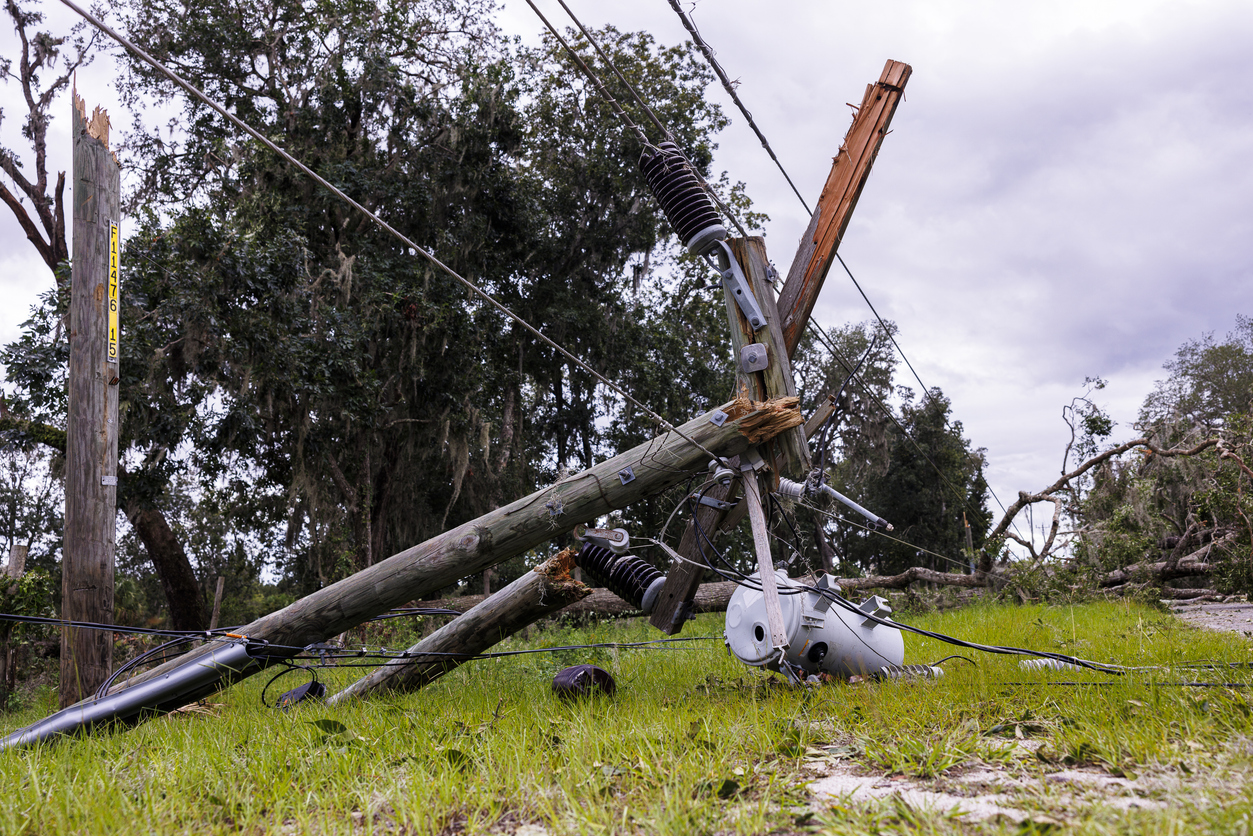
HOUSTON — CenterPoint Energy is assessing damage to its infrastructure following Tuesday afternoon’s severe thunderstorm that caused flooding and wind gusts of up to 75 mph – consistent with Category 1 hurricane winds – across the Houston area.

According to CenterPoint, damage from the severe weather resulted in electric service interruptions peaking at approximately 325,000 customers. As of 7:30 p.m. CT, approximately 120,000 customers are without power. As damage assessments are completed and restoration continues, CenterPoint will provide additional updates.  

CenterPoint recognizes that the Houston area is still recovering from the May 16 severe weather event, and some who were without power due to that storm might be out again because of today’s weather. In addition to CenterPoint resources that have already been deployed, additional lineworkers and vegetation management professionals have been requested for mutual assistance support.  
iStock 1161603716

Those customers who depend on electricity for life-sustaining equipment (such as chronic condition or critical care customers) are encouraged to have an emergency plan in place as CenterPoint says it cannot ensure an uninterrupted power supply. If electricity is a necessity, customers are urged to make alternate arrangements for on-site back-up capabilities or other alternatives in the event of loss of electric service. 

In addition to damaging CenterPoint’s electric infrastructure and equipment, severe weather may have caused damage to customer-owned equipment. Customers should check their weatherhead, the point where power enters the home through an electric service drop, which is often a pipe located on the side of the residence or building. If the equipment is damaged, customers will need to contact a qualified electrician to make repairs before the company is able to restore service to them.

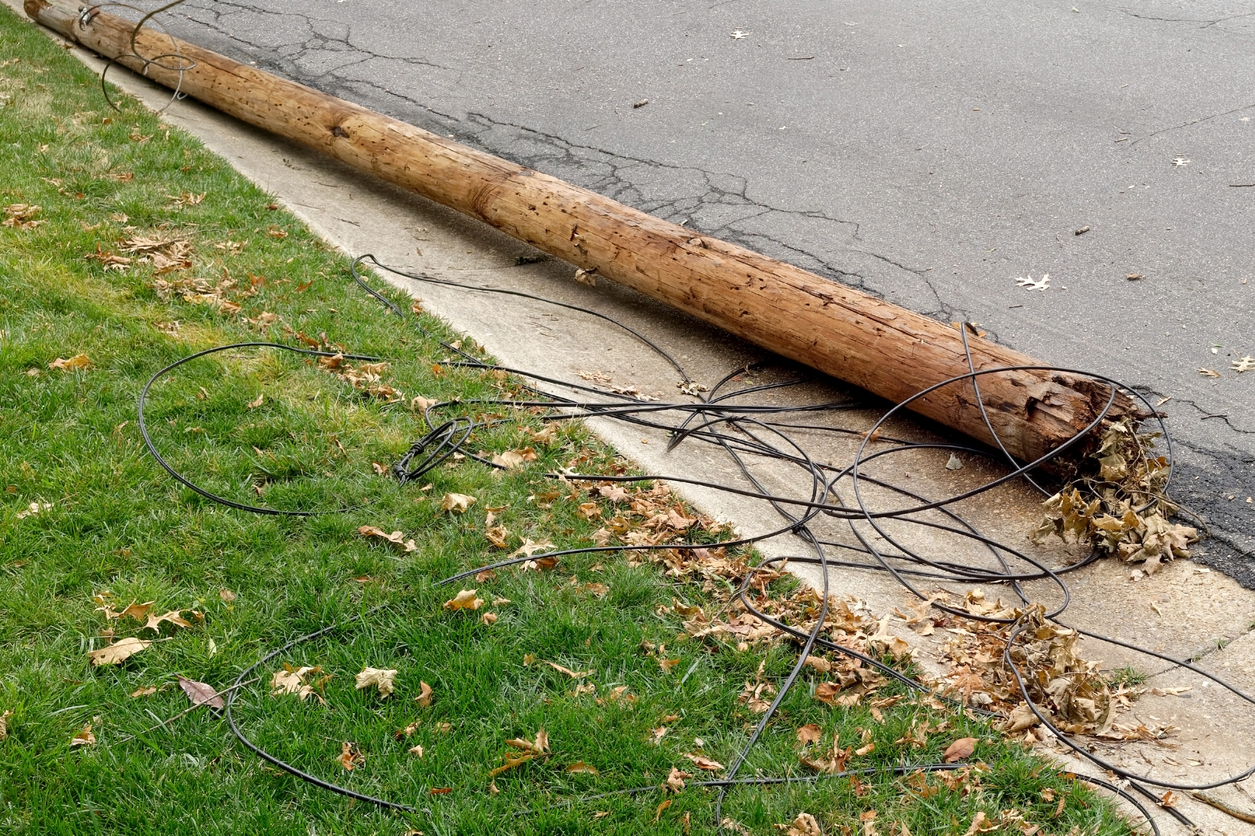
CenterPoint urges customers to always stay at least 35 feet away from downed power lines and damaged electric utility equipment. Treat all down and damaged equipment as energized and report them to the company at 713-207-2222.


Similar Posts

  • U.S. Department of Labor Proposes Revisions to OSHA’s Beryllium Standards for Construction and Shipyards

    FacebookXRedditPinterestEmailLinkedInWhatsApp The U.S. Department of Labor’s Occupational Safety and Health Administration (OSHA) has finalized its June 27, 2017, proposal to revise the construction and shipyards standards. In the final rule, to be published on September 30, 2019, OSHA: Does not implement the proposal to revoke all of the standards’ ancillary provisions; but Extends the compliance dates…

  • The Pioneering Wireless Crane Camera by Scarlet Is Expected To Improve Construction Site Safety and Boost Productivity

    FacebookXRedditPinterestEmailLinkedInWhatsApp Scarlet Tech, a leading instrumentation and construction technology company, recently announced the launch of the Hercules Wireless Hook Crane Camera System. Hercules is a crane safety monitoring equipment for tower cranes, luffing cranes, mobile cranes, and other heavy-duty cranes. The whole system is an active safety technology that provides crane operators and safety managers…

  • Record-Setting Year for Port Houston

    FacebookXRedditPinterestEmailLinkedInWhatsApp HOUSTON–(BUSINESS WIRE)– Port Houston business has grown consistently and solidly across all business lines, including achieving record-breaking performances and milestones in 2017. Highlights of the record-setting business and operational results for 2017 were announced today during the Port Commission of the Port of Houston Authority first meeting of the year. “We are again on…

  • STATES OF REDUCTION: POWERING LOWER EMISSIONS

    FacebookXRedditPinterestEmailLinkedInWhatsApp Natural gas has become the No. 1 fuel source for electricity generation in the U.S. As a result, increased use of natural gas and other lower-carbon energy sources is driving down overall emissions. Specifically, from 2005 to 2016, the U.S. has reduced its CO2 emissions from power plants by 24 percent while increasing its power generation by…