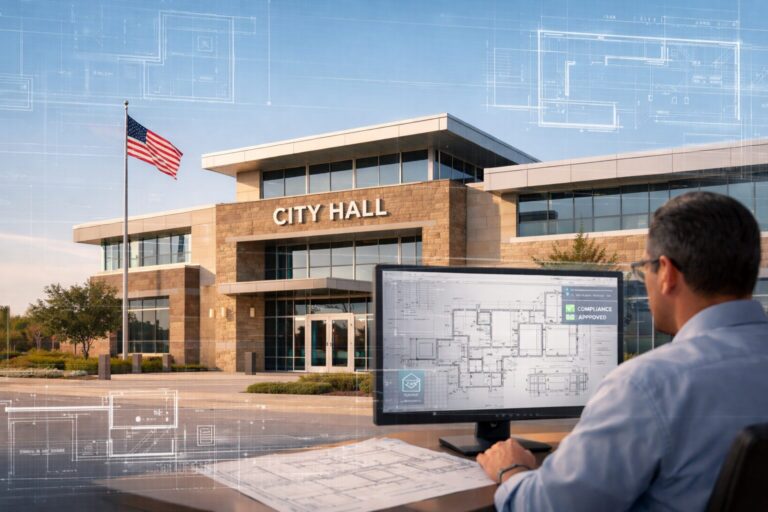

So, a contractor just finished the punch list on their customer’s renovated building; and they are feeling good that they wrapped up the project early and managed to make a good profit. After a few weeks, as the customer starts the process to sell their building, a fear rushes over them because they are unable to find proof of Certificate of Occupancy (CO) or evidence of a building permit being pulled. Several attempts to reach the contractor are futile with no one answering the phone and emails go without response. As this movie scene fades to black, the customer grapples with possible next steps to resolve their lack of CO and building permit.
Some contractors are so eager to start construction and simply forget to pull a permit. When they recognize their error, the contractor stops work, then obtains and posts on site the proper building permit.
And from phone calls we receive from project owners from time-to-time, we know that there are a few contractors that have no shame in not pulling, when scope dictates, the necessary permits and blatantly disregard building a safe structure for their customers. This is a no-win situation.
Here’s the bottom-line, building permits are required on most of the construction projects in the United States; and local jurisdictions building codes must be complied with to make sure a safe structure is built.
To assist those contractors having difficulties in pulling construction permits for various reasons, below are seven key steps to obtain a building permit.
Preconstruction
- Review your checklist for key documents, materials, schedules, etc. required to run jobs efficiently, effectively and meeting designed quality.
- Make sure obtaining proper permits and Certificate of Occupancy are included in agreement with your customer
- Pull permit and post on job site
- Inform customer that permit was obtained and posted on job site.
During Construction
- Make sure all trade contractors pull permits to be in full compliance and permits are visible on job site
- Inform customer about permits during regular updates
- Pull revision permits when needed
Post Construction
- Review and use punch list to resolve and finalize last items to fix and finalize
- Call for inspection
- Address any deficiencies identified during City inspection.
- When all items are resolved and finished, call for final inspection and once obtained, provide Certificate of Occupancy (CO) to customer for their files.
In Conclusion
There are billions of dollars of construction work across the country and many contractors are busy with a pipeline of projects. In Houston, for example, the latest building permits data show a 16.1 percent increase over this same time period in 2018. Commercial and residential permit data reflect strong markets and present some contractors with challenges on how to satisfy building codes and pull permits in a timely manner. Don’t fret, review the seven key steps noted above to stay the course in obtaining a permit and to comply with building codes. If you have any added suggestions to assist with construction permits or having trouble in pulling a permit, call 1.844.PERMIT.4 to speak with a PermitUsNow team member. #BuildSafe