
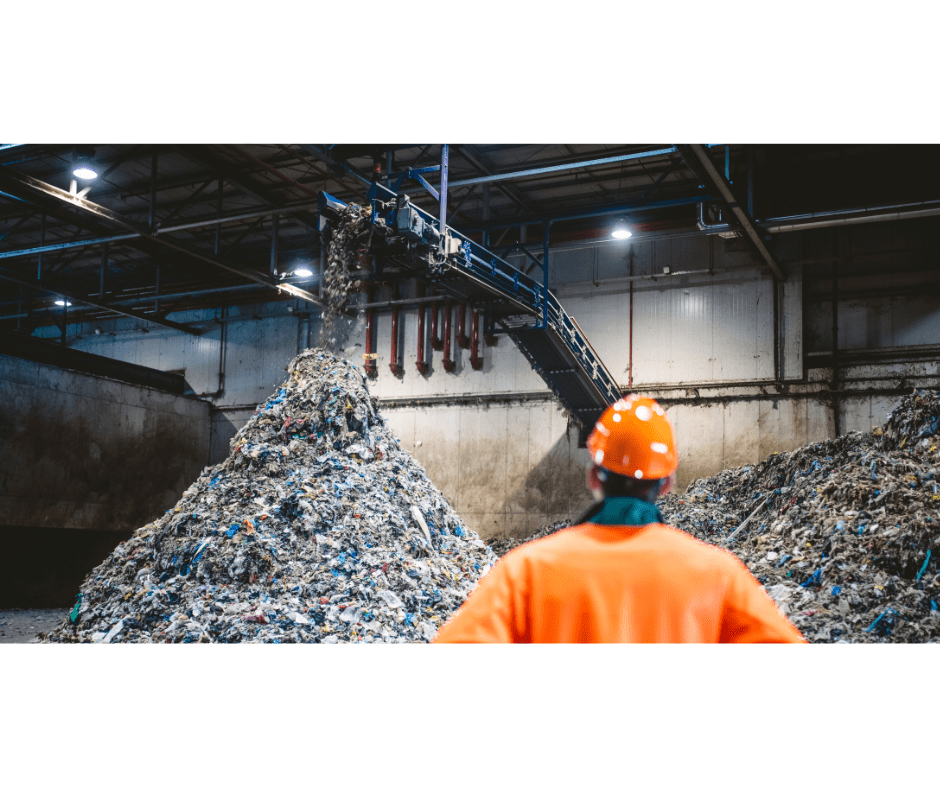
ExxonMobil recently announced the successful startup of one of the largest advanced recycling facilities in North America. The facility at the company’s integrated manufacturing complex in Baytown, Texas, uses proprietary technology to break down hard-to-recycle plastics and transform them into raw materials for new products. It is capable of processing more than 80 million pounds of plastic waste per year, supporting a circular economy for post-use plastics and helping divert plastic waste currently sent to landfills.
- Baytown facility can process more than 80 million pounds per year of plastic waste
- Certified circular products meet the demand for more sustainable materials, diverting plastic waste from landfills
- Planning additional global capacity to recycle 1 billion pounds annually of used plastics by year-end 2026
“We’ve proven our proprietary advanced recycling technology at Baytown, and now we’re leveraging our scale and integration to increase production of certified circular plastics to meet growing demand,” said Karen McKee, president of ExxonMobil Product Solutions Company. “There is substantial demand for recycled plastics, and advanced recycling can play an important role by breaking down plastics that could not be recycled in traditional, mechanical methods. We are collaborating with government, industry, and communities to scale up the collection and sorting of plastic waste that will improve recycling rates and help our customers around the world meet their sustainability goals.”
Since the start of pilot operations at Baytown last year, ExxonMobil has recycled nearly 15 million pounds of plastic waste. The proprietary Exxtend™ technology enables the breakdown of plastic waste that would previously be destined for landfills – from synthetic athletic fields to bubble wrap and motor oil bottles.
The company helped form Cyclyx International LLC, a joint venture created to collect and sort large volumes of plastic waste, and is investing in a first-of-its-kind plastic waste processing facility in Houston to help supply ExxonMobil’s Baytown advanced recycling facility.
To accelerate advanced recycling, ExxonMobil is a founding member of the Houston Recycling Collaboration, which brings government and industry together to increase access to recycling programs and expand infrastructure for mechanical and advanced recycling technologies.
ExxonMobil plans to build advanced recycling facilities at many of its other manufacturing sites around the world, which would give it the capacity to process up to 1 billion pounds of plastic waste annually by year-end 2026. The company is assessing facilities in Baton Rouge, Louisiana; Beaumont, Texas; and Joliet, Illinois; as well as at sites in Belgium, the Netherlands, Singapore, and Canada.
ExxonMobil is also collaborating with third parties to assess the potential for large-scale implementation of advanced recycling technologies and opportunities to support improvements to plastic waste collection and sorting in Malaysia and Indonesia.
ExxonMobil has commercial contracts to sell certified circular plastics to customers around the world for use in food-safe plastic packaging, including collaborations with Sealed Air and Ahold Delhaize USA, Berry Global, and Amcor.
Advanced recycling is a proven technology that can help accelerate a circular economy and address the challenge of plastic waste. With effective government policies in place to modernize the recycling system and improve waste collection, more plastic materials can be collected, sorted, and recycled, especially plastics that aren’t easily recycled today.
For more information, visit corporate.exxonmobil.com.
Source: ExxonMobil