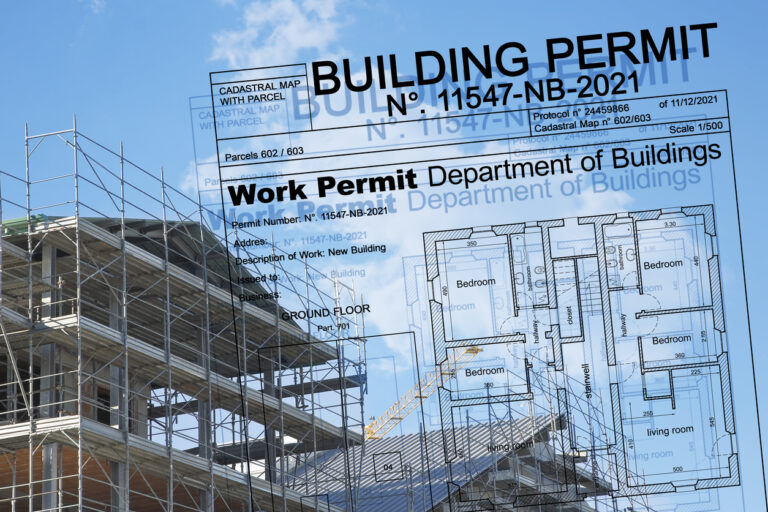

While on an elevator the other day at one of the jurisdictions in Texas, I noticed a Contractor looking flustered attempting to review some documents. I said, “hang in there” as he replied that he was bouncing around from floor-to-floor and was determined to make progress in obtaining his permit as he was behind schedule on starting construction. The Contractor hopped off the elevator at the next floor and I offered him my business card to call any time for assistance on future permits.
This Contractor, like plenty of other Contractors and Architects that handle their own permits, probably could use a good pat on the back and cheering up right about now. Many get started late in submitting for permits and others simply had poor planning and now are scared about the possible impact on their construction project.
When failing to plan and getting started late with permitting, below are five practical tips to resolve your permitting dilemma.
Review Permit Package: Take the time to make sure your application is properly filled out and all information is provided. Also, make sure prerequisite documents, such as surveys or asbestos reports depending on your project, are included with your package to prevent the package from being rejected by jurisdiction.
Schedule a Pre-Submittal Review Meeting: In our world today, face-to-face meetings are still preferred and are a valuable approach to ensure your concerns are addressed. They also help in gaining a better idea of what the Plan Reviewer will be looking for. Also, this kind of meeting helps boost your confidence and reassure that you are on the right track with your plans and permit package.
Note that with some jurisdictions, due to budget constraints and limited staff, pre-submittal meetings may take a long time to get scheduled and some AHJ’s may charge a fee.
QA/QC Permit Package: It is a fact that Contractors and Architects wear multiple hats and manage many projects at the same time, which presents an opportunity to miss fields on the permit application or fail to include all the required documents. We understand Contractors and Architects are busy and that is the reason that some of our clients use our permitting services: so they can focus on their core – design and / or construction.
After completing your permit package, ask one of your knowledgeable staff members to perform a quality check. Doing so can assist you in catching any deficiencies.
Using Electronic Plan Review (EPR): Due to AHJ’s across the country facing greater budget challenges and with a goal to provide conveniences to customers, EPR’s is an option at some AHJ’s and note that is the only way to submit with others. Just know that while there are benefits on using EPR, one big change is that once submitted electronically, your permit package stays electronic. This means that for those Contractors that like to talk with a Plan Reviewer over the phone or want to schedule a meeting, EPR may be a shock.
Ask for Help: Often times getting started late in permitting is due to the Contractor or Architect not being familiar with changes in processes at AHJ or some area (permit application, building codes, etc.) in the process is not clear and there is a fear of making a huge mistake.
Keeping up with all the latest building codes, AHJ process changes and resources handling the plan reviews is time consuming and can be confusing. Identifying third parties like PermitUsNow to assist in handling your permits is a good decision that allows you to maximize your resources on construction and minimize frustrations.
Conclusion:
Many markets like major metropolitan areas in Texas are teeming with opportunities to grow your business. From roadway to residential to commercial to industrial, Contractors can enjoy steady work. The reality is that if the market is hot or considered to be slow obtaining a building permit in a timely manner is vital for starting construction as planned. The above-mentioned five practical tips are offered to help you obtain a permit to punt frustrations and obtain a permit after getting started late. Like the Contractor I met in the elevator, call 1.844.PERMIT.4 any time for assistance with your next building permit. Build Safe.