

On December 3, 2018, I attended the first annual Asian | Turkish | Indo-American Chambers of Commerce Real Estate and Construction Summit in Houston, Texas. There were three industry panels that provided a treasure trove of industry insights and data along with two powerful keynote speakers including State of Texas Comptroller of Public Accounts, Glenn Hager.
Below are three key takeaways on industry trends for Real Estate and Construction in 2019 in Houston.
- Labor shortages
- Tariffs increasing material costs
- Increased demand for Investors returns on projects
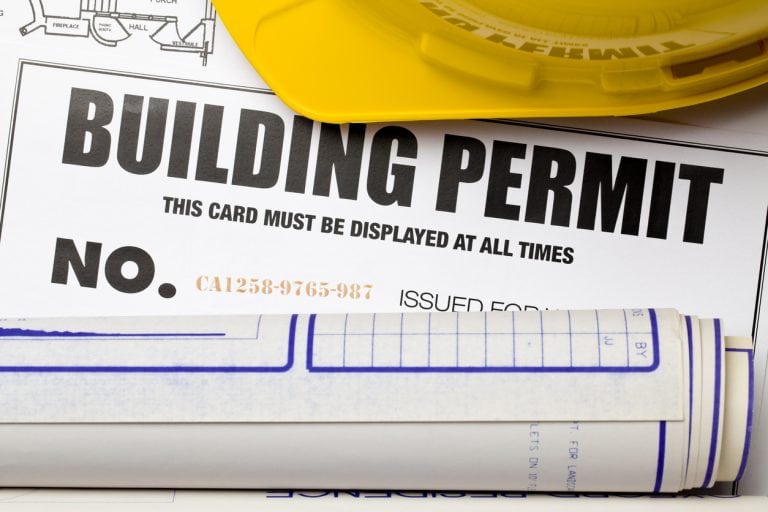
Let’s dissect each one of the trends and assess their impact on permitting.
Labor shortages: It is no secret for several years the construction industry has been experiencing a shortage of labor. From licensed trades to concrete to general labor, most construction companies are grappling with where to find labor to start and finish projects according to schedule. This trend will continue, especially when factoring in many young folks are pursuing other careers, and it is taking longer and longer to obtain work visas for foreign workers. As a result of labor dynamics, when subcontractors are subbing to other contractors that then sub to labor brokers, the responsibility of pulling a building permit is moved around and then missed all together. Permitting Tip: Plan ahead in pulling permits and if not marked off on construction punch list then stop the job until appropriate permits are obtained.
Increased demand for Investors returns on projects: International and domestic investors see Texas, specifically Houston, as safe havens to place their money for good financial returns with low risks. And depending on the investor, such as pension funds, etc., pressure to generate the highest returns possible can create an environment to complete projects as quickly as possible and cut corners. This scenario may result in contractors failing to pull a permit just to save a nickel. Permitting Tip: It is always to your advantage to pull proper building permits to comply with jurisdictional ordinances and for building safe structures.
Tariffs increasing material costs: At this time, there is a reprieve between the U.S. and China that has placed a hold on further tariffs against one another. With this pause, the construction industry has taken a slight sigh since the reality is this uncertainty creates situations where many firms hedge their position and buy materials way in advance, and some suppliers wanting to avoid impact on their inventories are pushing out materials before any increases in material pricing occurs. This increase in demand for materials causes prices to rise which results in contractors figuring out where costs can be cut or eliminated. Permitting Tip: Pull the necessary permits and refrain from buckling from the pressure to avoid pulling permits due to countering rising material prices.
In conclusion, while the noted industry trends will affect the construction industry in 2019 and beyond, the good news is that the Houston area, the state of Texas and other parts of the nation will continue to see solid growth in construction market. To position your company for long term success, stay abreast of jurisdictional changes in building ordinances, and plan early to pull proper permits. For assistance with permitting, visit www.permitusnow.com. Build Safe.