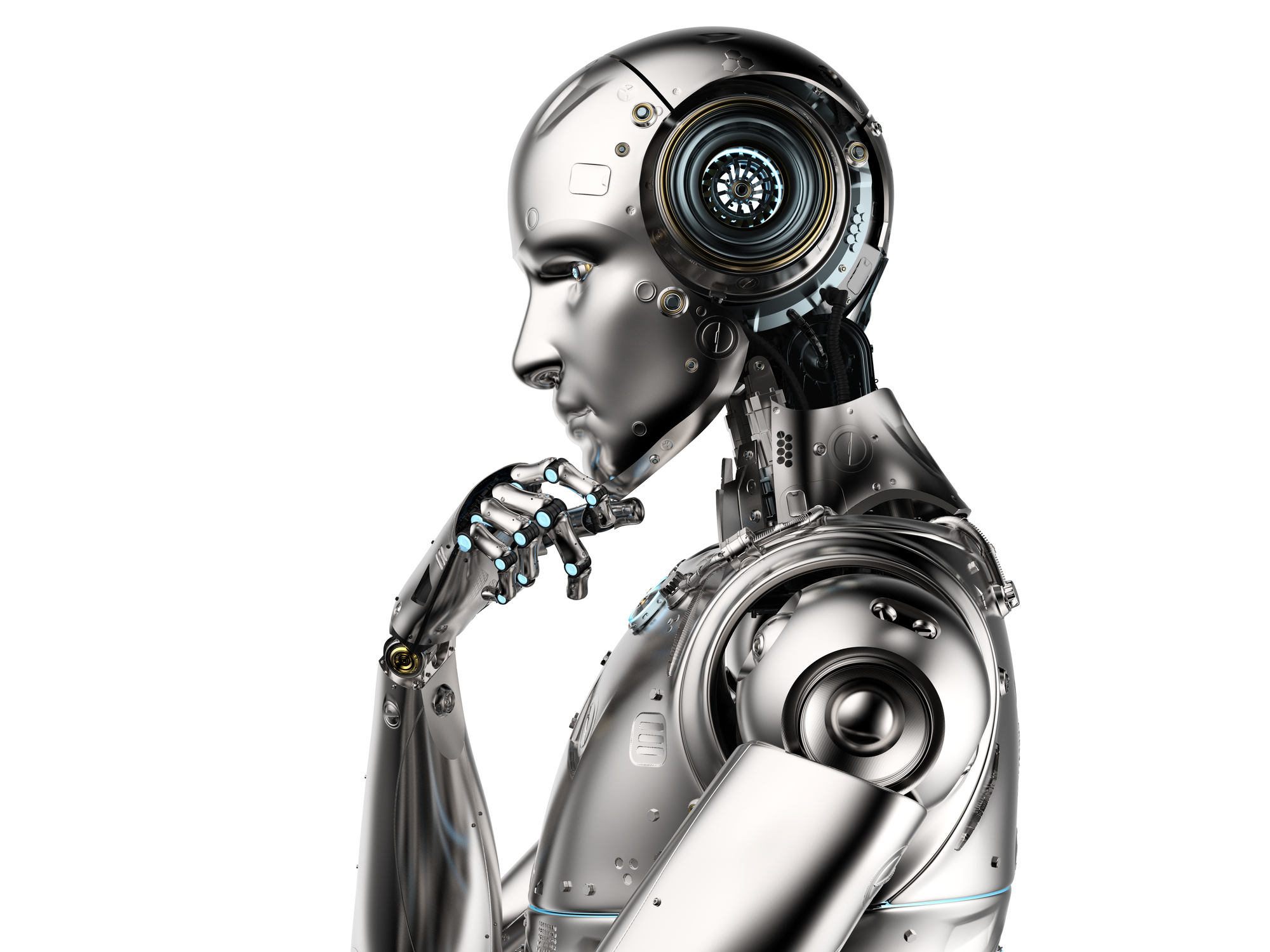
As the workforce is augmented by AI, CEOs will need to prepare their organization for new ways of working.
Over the coming decades, the whole experience of what it means to ‘work’ is likely to change dramatically, impacting our relationships with our colleagues, our employers and even ourselves.
At the same time, the idea of ‘human capital’ will be completely elevated and transformed as CEOs seek out ways to capitalize on, and preserve, the unique value that people bring to a workplace that is increasingly enabled by machines.
So, what should CEOs expect from the future? Here are my predictions:
- CEOs will manage a workforce that consists of both people and machines. Today few of us see ourselves as managers of machines. Yet, in future, when we are working alongside cobots (robots designed to physically work alongside humans), machine management is likely to take up a considerable amount of our time. While cobots might be able to relieve us of our most mundane tasks, enabling us to add value to our organization in other ways, we will need to take responsibility for the ethical implications of leveraging this technology. The C-suite will inevitably have the greatest level of responsibility when it comes to putting the right controls and governance in place to ensure that the AI and respective algorithms are executing as envisioned (for example, without bias in decision-making or without compromising privacy, safety or security). They will also need to set clear parameters around how people interact with machines: where does technological intelligence end and human judgment begin?
- More and more of us will be gig workers.Today we are already transitioning to a gig economy, according to the World Bank’s latest World Development Report. More and more people are becoming entrepreneurs and earning their living from working on a series of short-term projects for different organizations rather than from a full-time role with a single employer. As this trend intensifies, it will massively impact the way that the C-suite communicates its vision and sense of purpose, attracts and retains people, provides development opportunities and engages with workers on an ongoing basis. It also presents great opportunities to really diversify in terms of competencies, as well as logistical challenges in terms of how workers are quickly and effectively onboarded onto projects. Platforms will play a key role. Already, gig workers are increasingly finding projects through online platforms, such as GigNow, the global talent marketplace created by EY.
- We will wear microchips.It’s an ethical minefield, but human microchipping is already being trialed in countries such as Sweden, Norway and the US. Setting aside the Big Brother connotations, microchips could be hugely convenient for workers, removing the need for them to carry ID passes, keys, credit cards and train tickets. They may also allow us to log into our work computer systems without having to remember a password. While the prospect of being microchipped for work might sound unappealing today, we will probably be far more accepting of the concept once we start to see the benefits. For example, when we’re using the chips to monitor our health, or even as replacements for our smartphones. For CEOs, however, the microchipping of people presents significant ethical issues. They will need to ensure that chipping is not used as a way to abuse or exploit staff, treated as a means of enforcing ‘ownership’, or employed for purposes for which it was not originally intended. They will also need to consider how workers’ privacy will be protected – who will be able to access the information on the chips and why?
- Work will become synonymous with education. I firmly believe that the reskilling and upskilling of people needs to be top of CEOs’ agendas. The world is changing so fast that any organization that lacks a strategy for continually developing the skills of its people has no future. If companies are to prosper, STEM needs to become even more deeply embedded in our education systems than it is today. Also, as our 2018 Global Alumni Survey shows, CEOs need to not only nurture technical skills but also our human capabilities, such as critical thinking, the ability to collaborate, a commitment to ethics, and feeling comfortable with ambiguity and change.
- The days in the office will disappear. Will we even need to work in physical offices when we can effectively reconstruct the office environment using virtual and augmented reality? CEOs must consider how they will create a workplace that people conjure up by simply putting on a headset, rather than actually having to travel anywhere. Will we build convincing virtual workplace experiences that allow people to duck in and out of meetings, talk to colleagues at the next desk, and eat their lunch in the communal environment of the canteen as though we were actually there? How will we maintain our human connection in an increasingly digital world? What should we preserve in terms of physical meetings to foster those personal connections?