
By Helen Callier, Subcontractors USA Contributing Writer
Did you read the December 2020 issue of the Subcontractors USA Texas Journal? There was a great article on page 4 titled, “US Construction Spending to Gain Ground Through 2024” highlighting growth in certain construction industry sectors and regions in the U.S., such as in the South. This is good news if you are prepared to play the game.
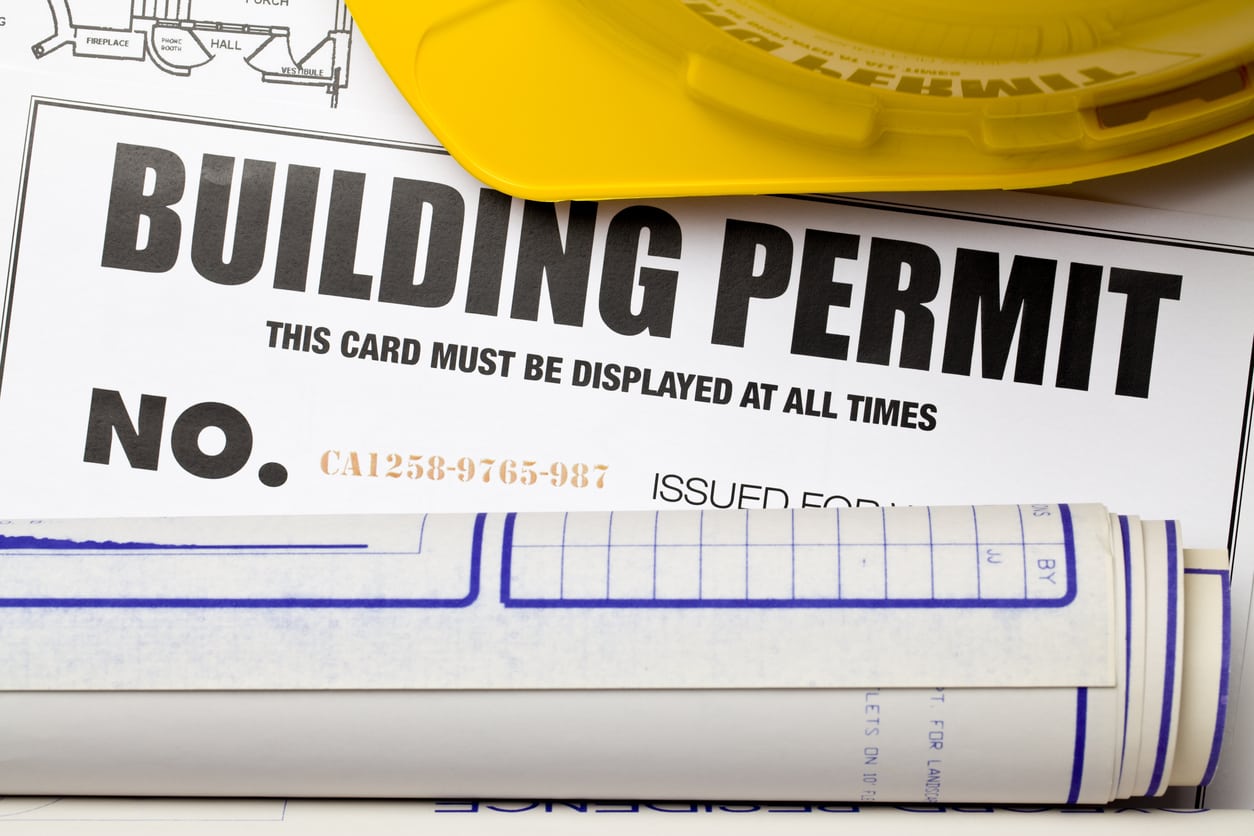
A long-time and well recognized construction industry expert, Pat Kiley, often says, “Contractors in Texas should thank their lucky stars,” as Texas is one of the construction capitols, and it will continue to be a strong market for years to come. Also, Pat noted during a recent industry conference that selecting the right projects, having skilled talent, using digital technology, and employing good money management are keys to being successful in the upcoming years. This, along with Deloitte’s 2021 E&C industry outlook, notes that obtaining building permits in a timely manner is a difficulty that must be tackled. Otherwise, contractors will be hamstrung in pursuit of achieving business goals in 2021 and two to three years to follow.
So, what can you do to plan for permitting when residential building, public, infrastructure, and commercial markets are expected to drive growth through 2024? How can you best position your construction firm to minimize delays in permitting and impacting your project starts?
To answer these questions, consider leaning on the 5 tips below to avoid permitting challenges in 2021.
- Start early. Review your construction schedule and make sure to have allotted enough time and necessary resources for permitting.
- Avoid making assumptions. There are a lot of moving pieces with permitting, and the architect or engineer may not be fully away of all the building codes. Ask questions and provide your input so you can minimize areas for possible rejections during permitting.
- Request a pre-meeting with a plan reviewer. This alone can save a huge amount of time and money by obtaining input on how to design or build an element to meet code before submitting.
- QA/QC permitting package and all prerequisite documents before submitting. If unsure, engage a reputable permit expeditor, as they have intimate knowledge to add value and save you money.
- Format files properly. Submit and monitor for any rejection comments.
- Respond quickly. Respond quickly and completely to rejection comments from plan reviewers.
Difficulties in permitting are real and a critical factor for many contractors and developers avoiding certain jurisdictions with unusually long delay times. In Dallas, TX, for example, some contractors are avoiding construction projects that go through City of Dallas Permitting, and others have shifted their business model to begin handling projects that do not require a permit or only need a minor repair permit. And in the City of Austin Permitting, contractors are tossing hundreds and sometimes thousands of dollars for the expedited review process when it does not make logical sense to do so. While certain jurisdictions are causing contractors headaches and even a loss of business, there are more prudent approaches to get ahead of the curve and pull a permit in a timely manner in 2021.
You can explore engaging a permit expeditor. This is one solution that is a proven benefit and pays for itself. If this kind of resource is not a fit for your organization, then lean on the basics as reflected in the 5 tips above to stay in the permitting game and to enjoy a prosperous 2021 with timely building permits. If you have any questions and good stories about permitting, connect with me at 1.844.PERMIT.4 or on LinkedIn. #BuildSafe
Visit PermitUsNow online at www.permitusnow.com.