
Missed Pulling a Permit or CO? Here are Five Tips That Can Help Get You Out of a Jam

iStock 940251778 1

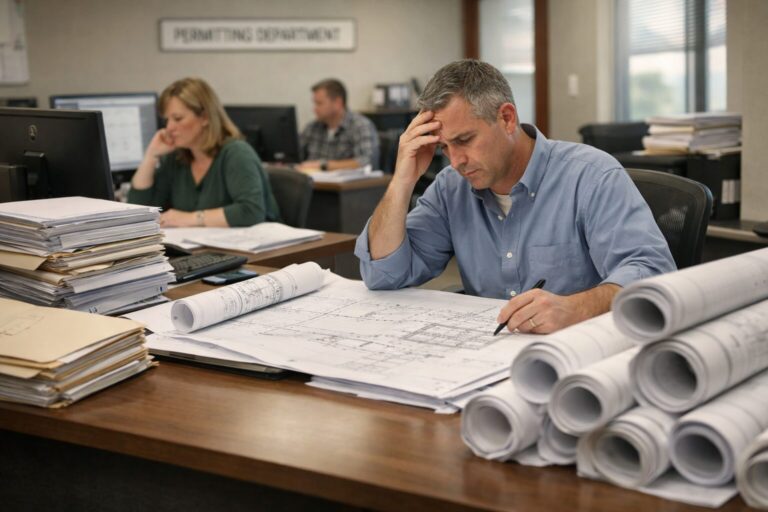
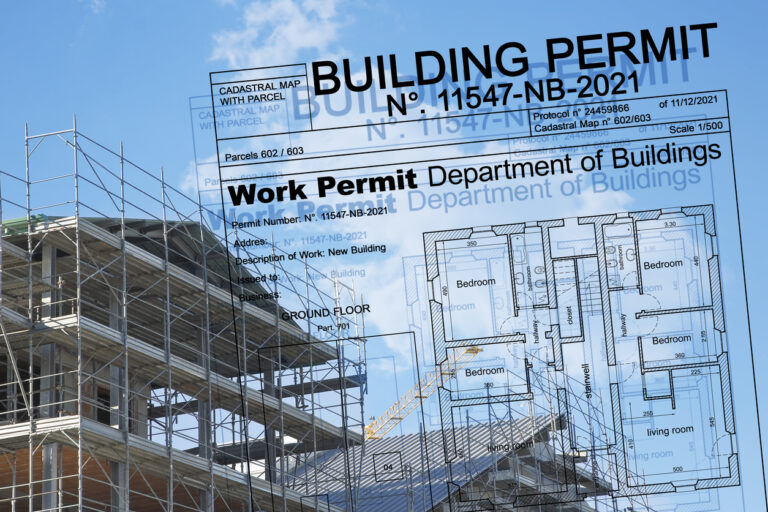
There is always constant change in this industry that makes it fun to work in.  Challenges with labor, juggling ways to incorporate new technology and how to push through a permit with umpteen revisions.  One concern we hear about often from Project Owners is that their contractor did not pull a permit before starting construction or at all. And, last month the Permit Us Now team received several calls indicating that a Certificate of Occupancy (CO) was never obtained on projects finish a long while ago along with how to expand a facility without a CO.

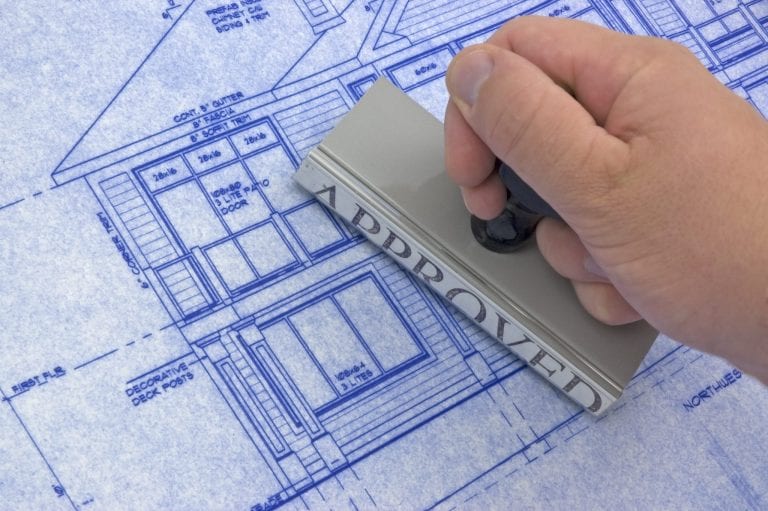
Contractors often manage multiple jobs and may miss an item on punch lists, but pulling the building permit should not be one of those tasks missed.  Failing to pull a permit from the appropriate jurisdiction will eventually catch up with the contractor at some point in time with a great chance of tarnishing the company’s reputation.

Below are five tips to consider if pulling a permit or CO was missed on your construction project.

  1. Advise Project Owner immediately of mistake and lay out plan to correct issue: Doing so shows your ethics and professionalism in the business
  2. Visit permitting jurisdiction’s website: Research Frequently Asked Questions, obtain department telephone numbers of staff you can speak with to help resolve and pull any necessary applications needed
  3. Contact permitting jurisdiction to ask questions by phone or in person: Permitting staff members are understanding people with primary focus on building safety, so most will be willing to meet to review what needs to be done.
  4. Call for City Inspection to obtain CO: Depending on the length of time elapsed after completing construction and if a permit was originally pulled, contact jurisdiction inspection to properly close out job and to obtain a CO.
  5. Review Your Punch List and Preconstruction Checklists: Make sure building permits, CO’s and other needed zoning documents are clearly noted, confirmed and checked off before starting and closing out a construction project.

In Conclusion

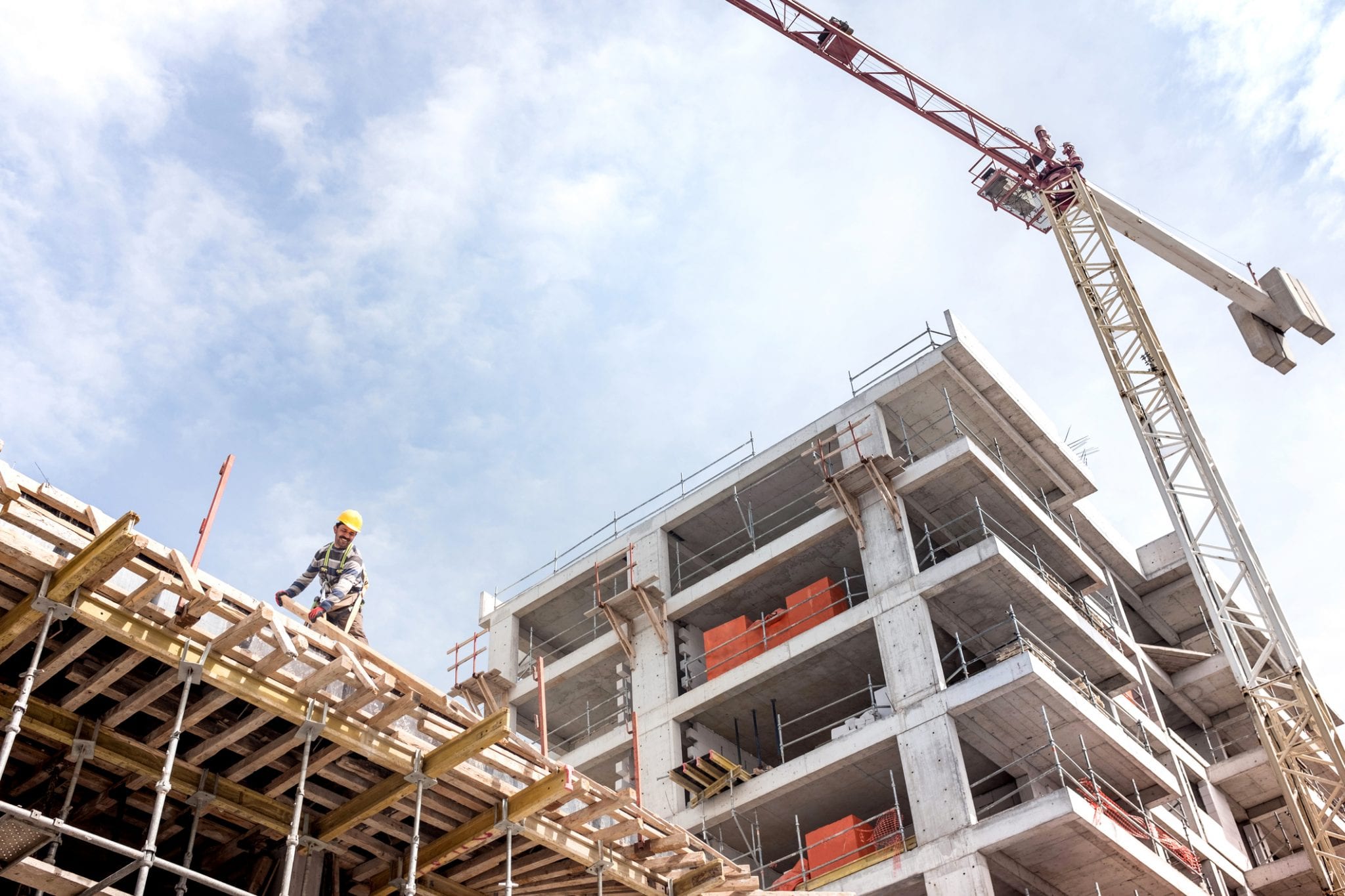
Building safe housing, restaurants, retail stores, hotels and other structures and infrastructure is top priority in the construction industry.  And alerting Project Owners, visiting jurisdictions’ website and asking for help from knowledgeable jurisdiction resources and permitting experts will assist in righting your ship if missed pulling a permit or CO.  If you have any questions, please connect 1.844.PERMIT.4.   Build Safe.


Similar Posts

  • Construction Personal Protective Equipment for the Female Workforce

    In 2015, women accounted for only 2.2% of production occupations in construction, which is one-sixth the level of “all other industries.” One of the challenges facing women in the construction industry is finding personal protective equipment (PPE) that fits properly. This is a serious issue because PPE that does not fit properly will not adequately protect…

  • Ensuring Operational Safety When Utilizing Boom Lifts

    Boom lifts have been a popular type of equipment on construction sites for years. The lift’s versatility makes it a perfect choice for tasks that need to be completed at a significant height. However, operators need specialized training to use this type of aerial lift. To keep a work site safe, boom lift operators must…

  • What You Need to Know About Permitting Infrastructure Projects with TXDOT

    Texas will receive over $180 billion in combined state and federal infrastructure investment over the next decade—including TXDOT’s Unified Transportation Program (UTP), fueling new residential, retail, and mixed-use development. Most developers and architects understand vertical permitting—but horizontal infrastructure, especially when TXDOT is involved, is an entirely different ballgame. Whether you’re near a TXDOT-funded corridor or…

  • Misapplication of Construction Trust Funds

    In the construction industry, the contract between parties is the principle source for determining the parties’ respective obligations. Project managers, superintendents, and other project-related personnel are routinely trained to review and understand contracts and administer projects in accordance with an industry understanding of the Contract. When juggling multiple projects, contractors are required to properly manage…

  • Choice of Law/Forum Selection Blog

    Admit it!  You have checked the box next to the Terms and Conditions when making a purchase or signing a contract and never actually look at the terms and conditions a million times.  We have all signed contracts without reviewing each paragraph, often just focusing on what it’s going to cost us and how long…

  • FIVE TIPS TO ASSIST CONTRACTORS IN OBTAINING THE NEXT BUILDING PERMIT

    By: Helen Callier When faced with repeated delays in obtaining city building permits, do you continue to go back and forth to meet with the Plan Reviewers in hopes that today will be the magical day?  Do you scratch your head and wonder what the notice on the website means when it says 15-day plan…