

“Mobility as a Service” (MaaS) is a new concept being driven by today’s technology-enabled world and is the future of mobility as we know it. It’s smart, integrated, on-demand mobility at your fingertips that puts you in charge of your journey. You may see it in examples like rideshare, bikeshare, scooters and many on demand transit solutions. Your device enables you to create your journey on your schedule.
Because of the growth of MaaS, it is the right time for the introduction of high-speed train service to the state. As Texans continue to rapidly embrace these technologies, options like the high-speed train become even more of an attraction than they already are. Your Texas high-speed train is a transformational part of this tech-enabled mobility boom happening across the country.
Over 16 million journeys are already made between North Texas and Houston per year, with over 90% made by road. The high-speed train will give these travelers significant time saving as well as a comfortable, safe and secure environment. For example, the introduction of a technology-enabled option like the high-speed train will allow you to get between your office in Houston and your client in North Texas with one seamless transaction.
Just as smart devices created the “me-conomy” – in which you shop, buy and travel the way you want, MaaS offers you custom mobility solutions based on your travel needs. You get to tell providers what you want and where you want to go. It’s a departure from the traditional model of transportation entities dictating routes and schedules. It’s “customized travel” vs “standardized travel” – ultimately improving your quality and convenience of travel while reducing cost and time.
You will not only be able to choose the safest transportation option in the world when you book a seat on the high-speed train, you can start and end your trips at the exact locations of your choice though an integrated mobile app. You will be able to shop, plan, and purchase customized journeys directly from your smartphones!
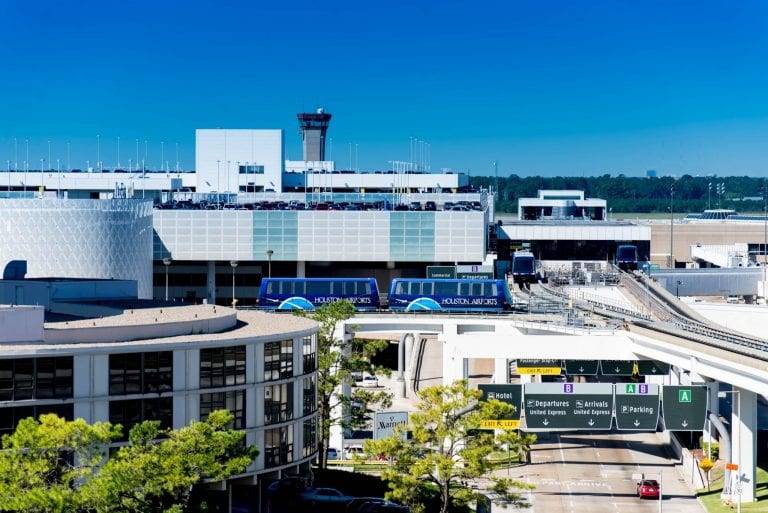
And, as ride hailing options continue to expand, access to and from stations will become easier, even if you don’t have your own car. Texans’ use of ride hailing services, such as Uber and Lyft, has been growing steadily. Surveys show that between 2016 and 2018 the proportion of travelers using ride hailing to travel to and from airports has doubled in only two years! Nearly 80% of travelers that use ride hailing services indicated that either they “definitely” or “probably would” travel by the high-speed train on their next journey, greater than the Texan average of 72%.
MOBILITY AS A SERVICE:
- Is an integrated technology platform will let you shop, book and pay for your trip right from your phone – creating seamless journey planning. Think “freedom” and “variety”!
- Creates one stop shopping that combines multiple modes of transportation – the train, rideshare services, even public transportation like buses. Mass transit, like the Texas high-speed train, is central to MaaS.
- The Texas high-speed train announced an agreement with Amtrak in May of 2018 that links the train with Amtrak’s interstate passenger network using Amtrak’s reservation system. This seamless ticketing experience is a great example of MaaS.
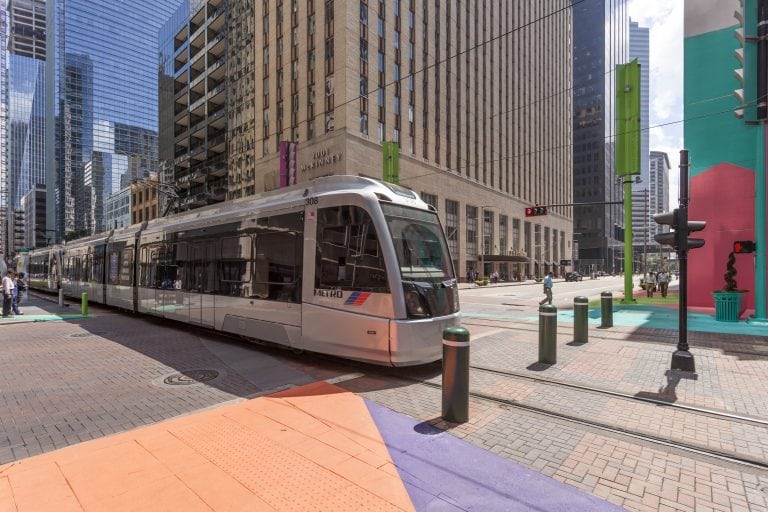
- The high-speed train is in ongoing discussions with Houston Metro and Dallas Area Rapid Transit to define connectivity options once the high-speed train is operational.
AUTONOMOUS VEHICLES – IMPROVEMENTS IN MOBILITY
The rollout of autonomous vehicles (AVs) is expected to occur initially in dense urban areas in the 2020s, as these locations will have the best business case for introducing AV technology. This will complement the Texas high-speed train service by making it cheaper and more convenient to access and leave from passenger stations. Autonomous vehicles will also broaden access to the train for those unable or not wanting to drive. As technology improves and autonomous vehicles are able to operate cost effectively on door-to-door journeys between North Texas and Houston, they may bring further benefits to traveling by road. Even then, they will never be as fast as the high-speed train for these journeys, nor as efficient for long distance travelling.
Investment banking advisory firm Evercore has studied Waymo, Google’s ridesharing/autonomous ride service platform, and issued a report that uses a city-by-city model to determine potential future demand. Dallas & Houston were identified as having two of the highest Vehicle Miles Traveled (VMT) of the major markets where Waymo is expected to launch service.
So, Google sees that Houston and North Texas are great markets where people are already getting out of their cars and embracing new transportation solutions. This matches the data we are seeing in the excitement of people who will ride the train.
The high-speed train will provide these travelers with a faster, safer, more convenient and reliable alternative to driving or flying, with more technology-enabled solutions for riders. This project is set to transform travel in Texas and bring a new high-tech industry to the country and the Lone Star State.
Source: Texas Central