
Strong U.S. natural gas and oil production is revitalizing communities in state after state. It’s well-known that increased energy production has cut costs for families – at the pump and in-home utility bills. But leading the world in production has also given U.S. businesses a leg up, generating a manufacturing resurgence.
To list just a few examples, affordable energy has brought a Louisiana steel plant back from overseas, where it employs 150 workers at twice the local median salary. It’s spurred the development of a new manufacturing plant in Pennsylvania – supporting 6,000 jobs during construction and 600 permanent jobs. In Texas, a steel company cited“access to natural gas at extremely economical prices” as a chief factor behind its $500 million expansion.
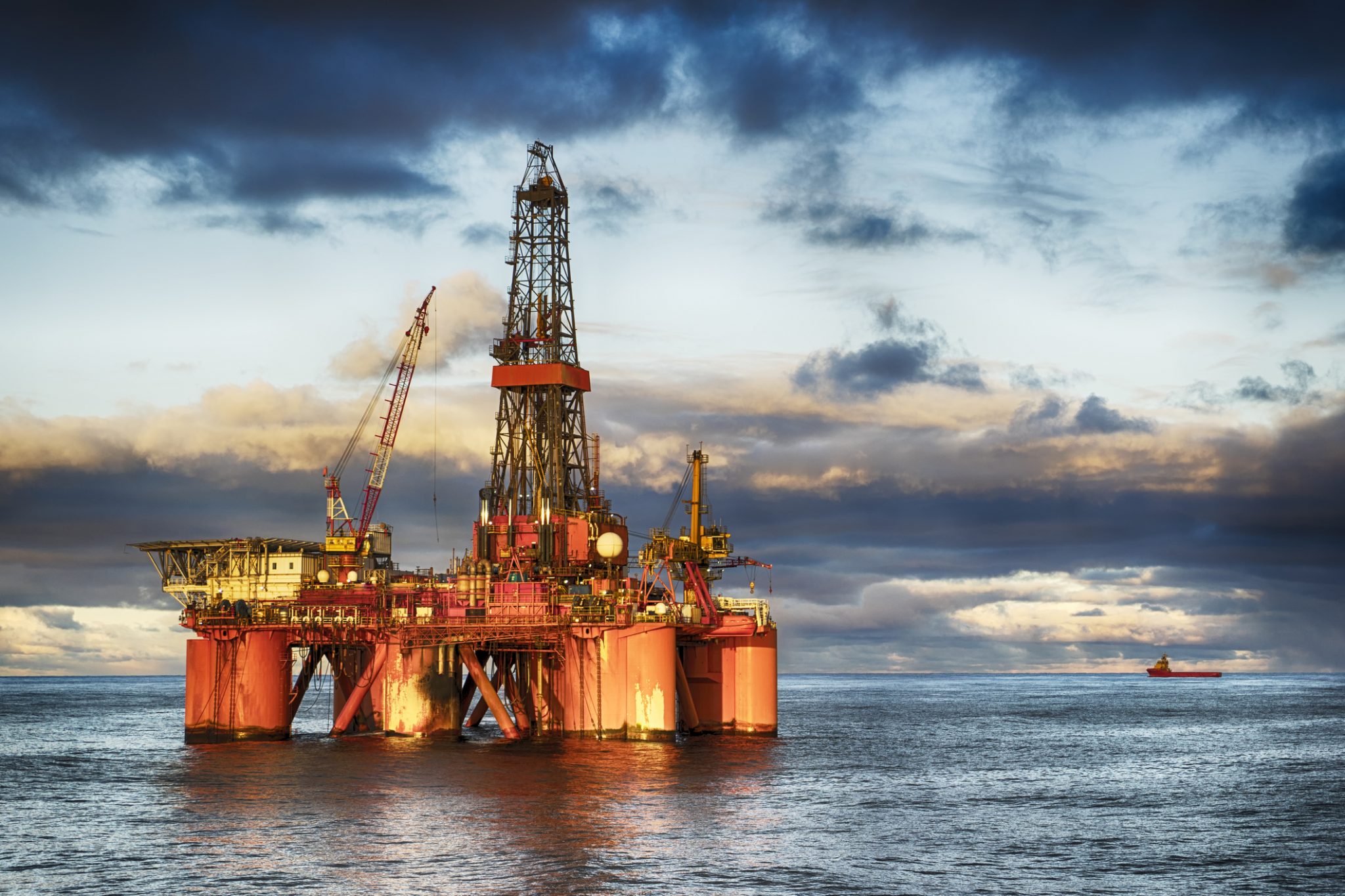
Communities don’t have to be located in energy-producing regions to benefit from the U.S. energy revolution. But it helps. That’s why coastal states have so much to gain from the Interior Department’s upcoming offshore energy plan. And that’s why organizations like mine are speaking out in support of offshore natural gas and oil exploration.
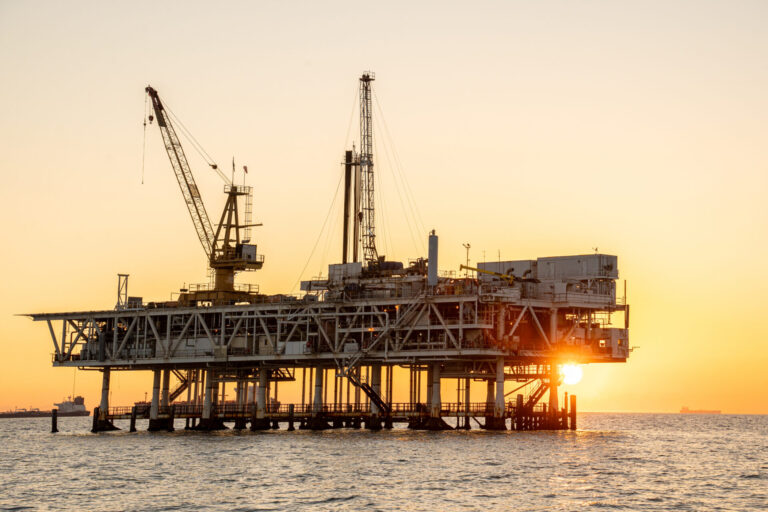
The government’s next five-year energy leasing plan could open additional areas in the Atlantic and Gulf of Mexico to energy development. Offshore reserves represent one of the greatest untapped sources of domestic natural gas and oil – and jobs. Government estimates indicate 90 billion barrels of oil and 327 trillion cubic feet of natural gas could be awaiting discovery offshore. For context, Americans consume about 20 million barrels of oil and 82 billion cubic feet of natural gas day.
So, we’re talking about decades’ worth of energy security. But first we need to update government policy that keeps 94 percent of federal offshore acreage closed to energy development. Offshore energy in the Atlantic and Eastern Gulf of Mexico could generate hundreds of thousands of jobs – in coastal states and nationwide, in the energy industry and beyond.
America’s natural gas and oil industry supports 10.3 million U.S. jobs overall — and opportunities are constantly expanding. A recent report projects the industry could create almost 1.9 million job opportunities by 2035, of which hundreds of thousands are projected to be filled by African American and Hispanic workers. Expanding offshore energy development could steer some of those jobs to Southeastern states that need them.
Jobs in the offshore exploration and development field average $113,000 annually, significantly higher than the U.S. national average. That’s a statistic that represents life-changing opportunities for families and communities.
Job opportunities aren’t limited to the energy industry. Energy development generates economic activity that supports jobs at all educational levels in multiple sectors – from engineering firms to equipment companies to restaurants.
Energy development is also a major revenue generator. In the Gulf of Mexico alone, expanding offshore exploration could contribute $4.9 billionin funding to support schools, roads, bridges and other state needs.
My organization, Reaching America, is focused on reducing energy poverty and expanding opportunity in African American communities. The facts show major economic growth goes hand-in-hand with offshore energy development – making a compelling case that it’s a smart move.
But is it safe? Technological advances and strict regulations make it safer than ever. More than 100 safety standards have been created or strengthened since 2010 — a comprehensive, joint effort by government regulators and the natural gas and oil industry. The Center for Offshore Safety was also established to ensure the continuous improvement and enhancement of industry’s safety and environmental performance. The Center promotes the highest level of safety and engages global industry leaders to take on unique offshore challenges while relying on independent auditing and review by third-party certifiers.
Decades of experience confirm offshore energy development can safely coexist with crucial existing industries like tourism and fishing. The Gulf of Mexico has produced more than 1 million barrels of oil per day since 1996, while also supporting a Gulf tourism industry valued at more than $200 billion a year.
Global energy demand is growing, and that means growing economic opportunities. We should seize those opportunities by opening additional offshore areas to safe natural gas and oil development.
Source: Newswire