
REDUCING NATURAL GAS FLARING

iStock 578112108 scaled

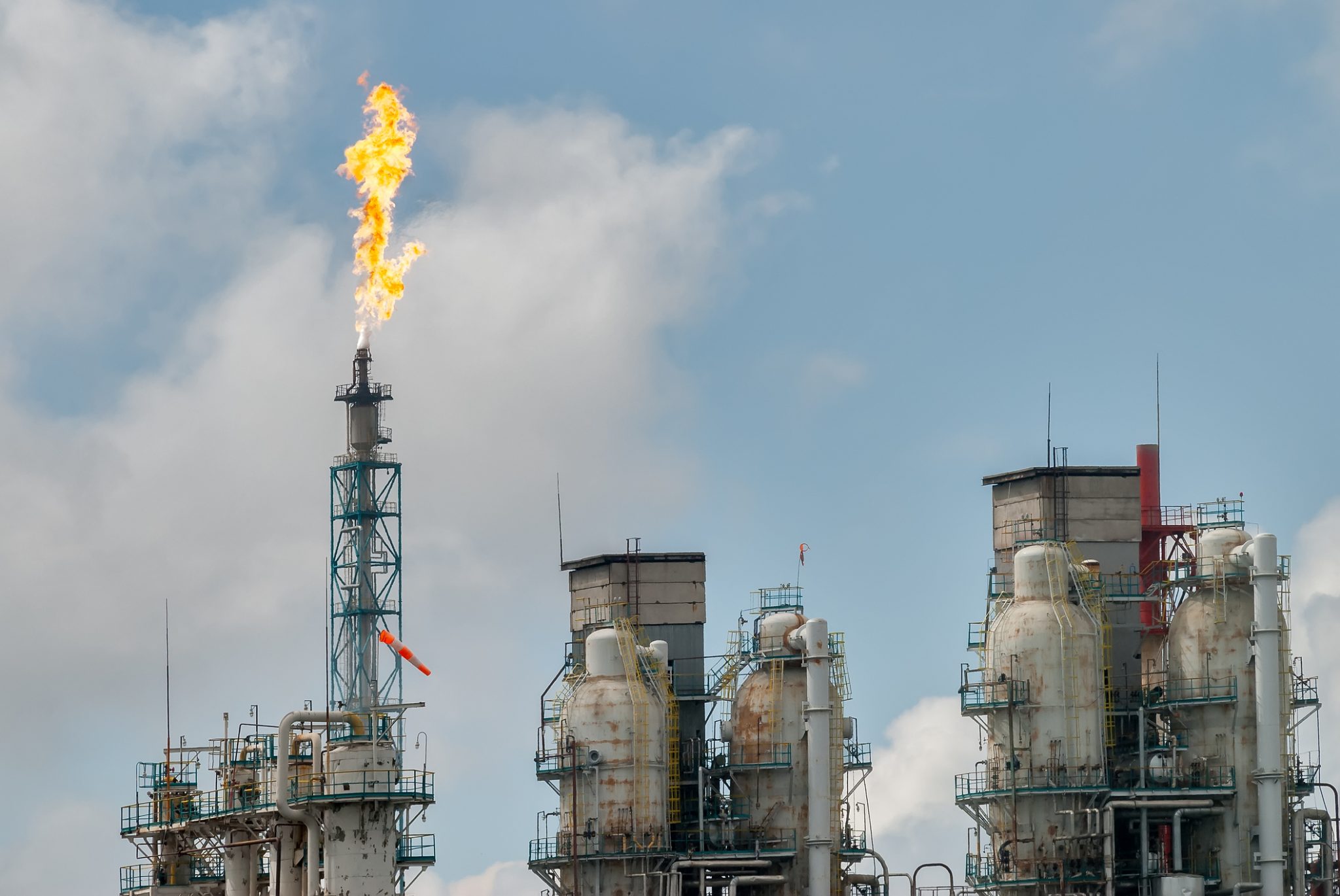
At a recent meeting of the Texas Railroad Commission, the Texas Methane Flaring Coalition laid out a series of best-practice recommendations for industry and regulators to consider as we all move toward a goal of zero routine flaring in the Permian Basin.

We’re proud to add our voice to this diverse group calling for action – everyone from the Environmental Defense Fund to the Oil and Gas Climate Initiative and investors such as JP Morgan Asset Management, as well as small and large energy companies.

ExxonMobil’s experience in the Permian Basin demonstrates that zero routine flaring is within everyone’s reach.

A little over a year ago, we instituted an ambitious protocol to reduce flaring at our U.S. unconventional operations.

The protocol includes the installation of new equipment to capture emissions, completing wells only when we have adequate natural gas takeaway capacity, and shutting in production if there is a prolonged mechanical upset.

The results have been extremely encouraging, and demonstrate that the industry can reduce flaring through cost-effective measures.

In just one year, we lowered our flaring intensity in the Delaware and Midland sections of the Permian from 4.7 percent in June 2019 to 1 percent in May. When you consider we’re producing a lot more oil in the Permian compared to last year, this achievement takes on added significance.

Natural gas production provides enormous economic and environmental benefits.

These benefits can be maximized when the oil and gas industry takes further action to reduce flaring and methane emissions.

At ExxonMobil, we’re making real progress on both — through support for federal methane regulations, and by meeting our flaring and methane reduction targets, which we expect to do by yearend.

Through initiatives like the Texas Methane Flaring Coalition, we’re also helping others achieve the same progress.

Source: ExxonMobil

Similar Posts

  • Chevron’s Supplier Diversity Connects Houston Companies to the World

    Houston wears the crown of America’s most diverse city, with ties that stretch to all corners of the world. But the international metropolis is on a quest for another title: the country’s most diverse, inclusive, and equitable city for business. Terence Baptiste, supplier diversity advisor at Chevron, is one of the architects of this vision…

  • A DATA TRANSFORMATION IN AMERICA’S ENERGY FRONTIER

    Welcome to the oilfield of the future, where wells across hundreds of miles communicate with each other and operators can rely on data-driven insights and real-time automation to make faster, smarter decisions. Often found in remote corners of the world, these fields of the future will rely on a similar digital network that everyday consumers…

  • API Enhances Pipeline Safety With Two Updated Standard

    The American Petroleum Institute (API) recently released two revised liquid pipeline leak detection standards to improve operational integrity and advance operators’ mitigation capabilities. “Leak detection in liquid pipelines enables operators to quickly respond to incidents, minimizing any impact on local communities and the environment,” said Anchal Liddar, senior vice president of API’s Global Industry Services….

  • API Announces New Initiative to Encourage Veterans to Enter Natural Gas and Oil Industry

    The American Petroleum Institute (API) is proud to announce a new initiative, Energy for Veterans, designed to attract more veterans and transitioning service members into meaningful and well-paying careers in the natural gas and oil industry.  “Service members and veterans have a distinguished record of serving our country, both at home and abroad. Through their…

  • ExxonMobil, SABIC Start Operations at Gulf Coast Manufacturing Facility

    By Subcontractors USA News Provider Gulf Coast Growth Ventures facility will meet growing demand for performance products Site enters operations ahead of schedule The new facility will produce materials used in packaging, agricultural film, construction materials, clothing, and automotive coolants. The operation includes a 1.8 million metric ton per year ethane steam cracker, two polyethylene…