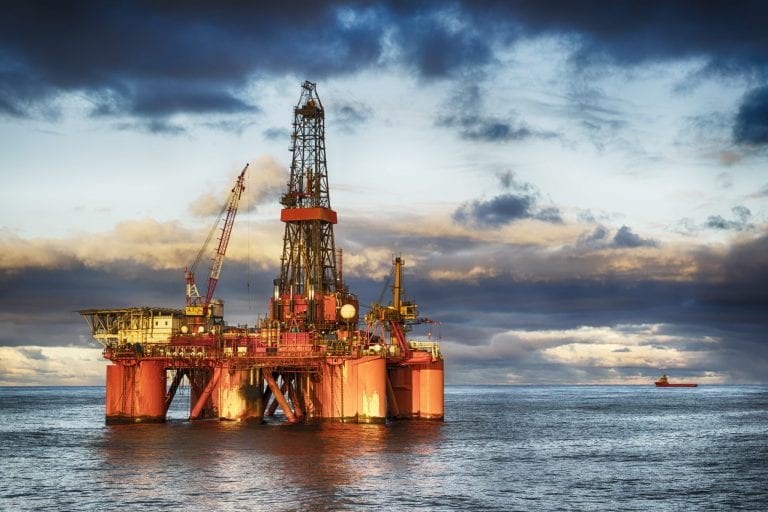

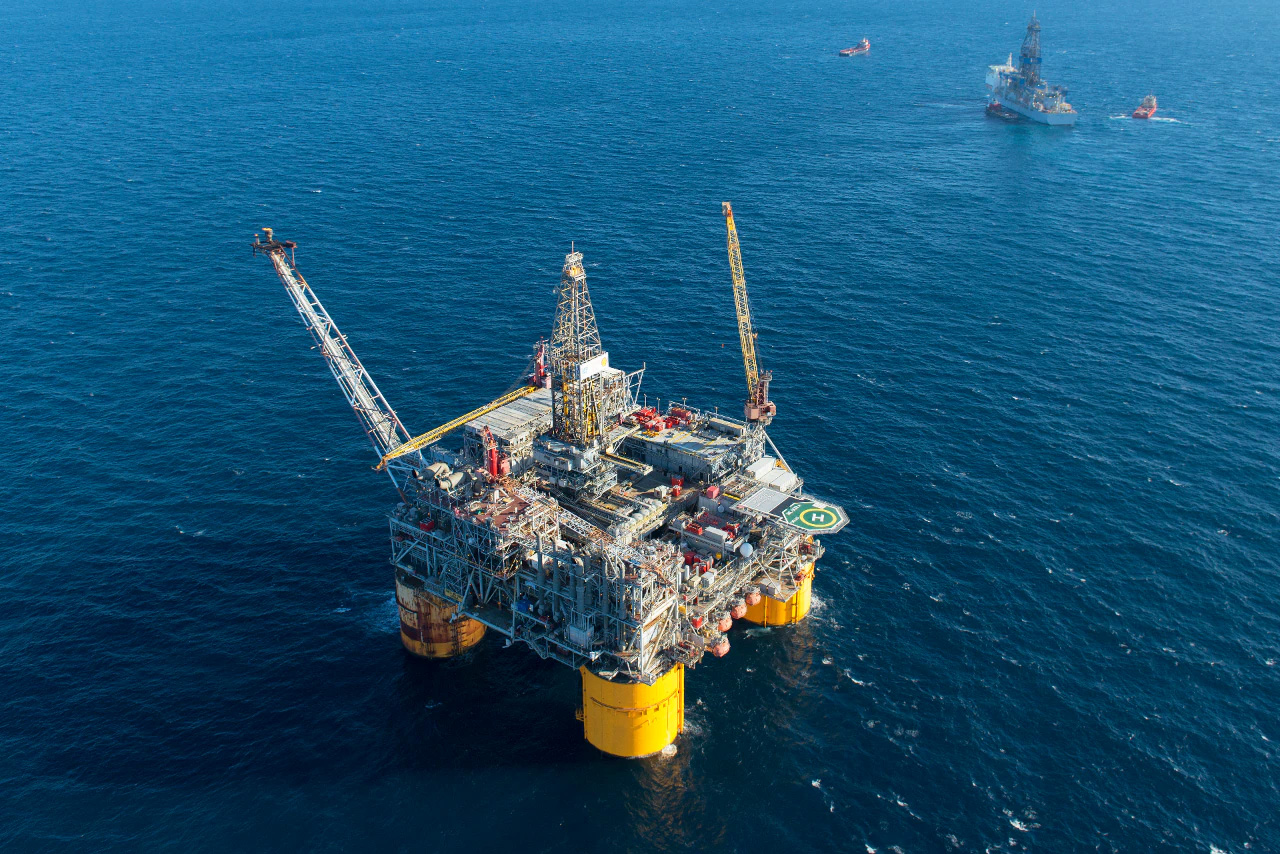
Shell Offshore Inc., a subsidiary of Shell plc, has taken a final investment decision as Shell invests in Kaikias waterflood development in the US Gulf of America. The Shell Kaikias waterflood project will inject water to displace additional oil in the Kaikias reservoir, supporting production that flows to Shell’s Ursa platform in the Mars Corridor.
Waterflood is a method of secondary recovery where the injected water physically sweeps the displaced oil to adjacent production wells, while re-pressurizing the reservoir. First injection is expected in 2028 and is anticipated to extend the production lifecycle of Ursa by several years.
“Following our decision to increase our stake in Ursa earlier this year, this additional investment continues to maximize the value of the asset,” said Peter Costello, Shell’s Upstream President. “It also contributes to our aim of maximizing high-margin production and longevity in a core basin to maintain liquids production.”
Shell is the leading deep-water operator in the US Gulf of America, where our production has among the lowest greenhouse gas intensity in the world.
NOTES
In August 2014, the Kaikias field (Shell 100% working interest (WI)) was discovered in more than 4,000 feet (1,219 meters) of water, approximately 130 miles (209 kilometers) off the coast of Louisiana.
- Production from the Kaikias field began in May 2018 with flowback to Shell’s Ursa platform.
- Shell is the operator of the Ursa Tension Leg Platform and holds 61.3484% ownership in the asset with BP Exploration & Production Inc. 22.6916% and ECP GOM III, LLC 15.96%. In February, Shell announced its acquisition of additional WI in Ursa.
- The Kaikias waterflood project is estimated to increase recoverable resource volume by ~60 million metric barrels of oil equivalent (P50). The estimate of resources volumes is currently classified as 2P under the Society of Petroleum Engineers’ Resource Classification System.
- The reference to our US Gulf of America production having among the lowest greenhouse gas intensity in the world is a comparison among other members of the International Association of Oil & Gas Producers.
- As communicated at Shell’s Capital Markets Day in 2025, we aim to sustain liquids production at around 1.4 million barrels of oil equivalent per day until 2030.
- The estimated recoverable resources presented above are 100% total gross figures.
Summary
Shell Offshore Inc. has taken a final investment decision on the Shell Kaikias waterflood project in the US Gulf of America, a secondary recovery initiative designed to enhance oil recovery from the Kaikias field and extend production to Shell’s Ursa Tension Leg Platform in the Mars Corridor. The project will use water injection to maintain reservoir pressure and sweep additional oil toward production wells, with first injection expected in 2028.
Kaikias, discovered in 2014 in more than 4,000 feet of water and brought onstream in 2018, is wholly owned by Shell and is estimated to add around 60 million barrels of oil equivalent in recoverable resources under the Society of Petroleum Engineers’ 2P classification. The investment follows Shell’s recent increase in its working interest in Ursa and aligns with the company’s strategy to maximize asset value, sustain high-margin liquids production, and extend field life in a core deepwater basin. Shell also highlights that its US Gulf of America operations rank among the lowest in greenhouse gas intensity compared with industry peers, supporting its long-term production and efficiency goals through 2030.
Source: Shell Americas