
The World Eats Because It Has Energy: How Oil and Natural Gas Power Modern Agriculture

the world eats because it has energy how oil and natural gas power modern agriculture 1

Can you imagine feeding eight billion people without tractors, fertilizers, irrigation pumps, or transportation networks?

You’d be hard-pressed to do so without oil and natural gas. Despite increased policy momentum toward alternative fuels and renewable technologies in recent years, global agriculture continues to rely on energy-dense, affordable, and scalable petroleum-based resources.

In a new article from Texas Oil & Gas Association (TXOGA) Chief Economist Dean Foreman, readers are invited to explore this essential but underappreciated truth: the world eats because it has energy.
the world eats because it has energy how oil and natural gas power modern agriculture 2

Energy’s Unheralded Role in Feeding the World

From farm to fork, oil and natural gas are foundational to every step in the food supply chain. Foreman explores how:

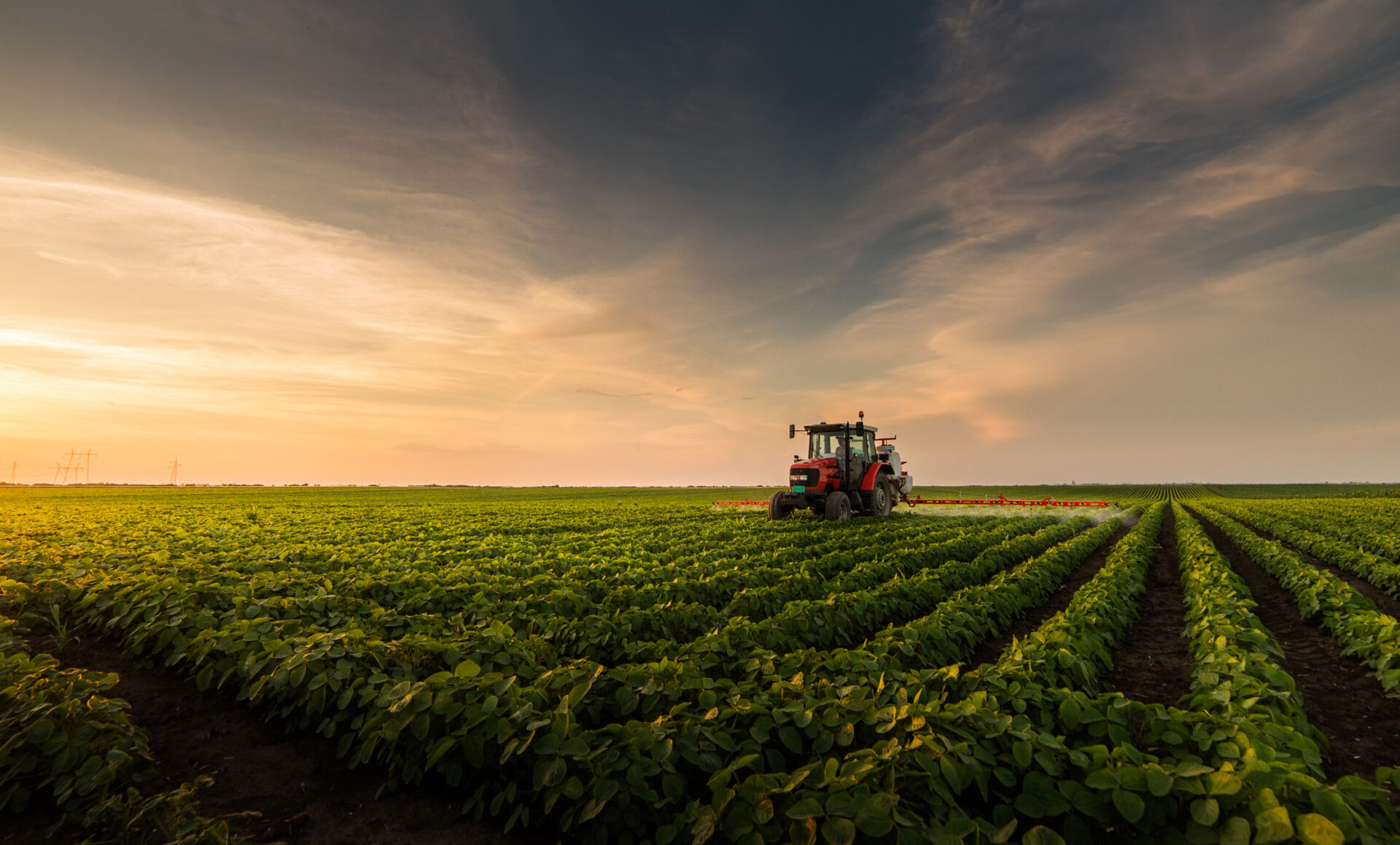
  • Diesel-powered machinery like tractors and combines maximizes field productivity with minimal labor
  • Petroleum-derived fertilizers and pesticides are responsible for many of the yield gains in modern crop production
  • Propane and other natural gas liquids (NGLs) support livestock operations and enable year-round farming across climates
  • Petroleum-based plastics improve irrigation, storage, and transportation logistics
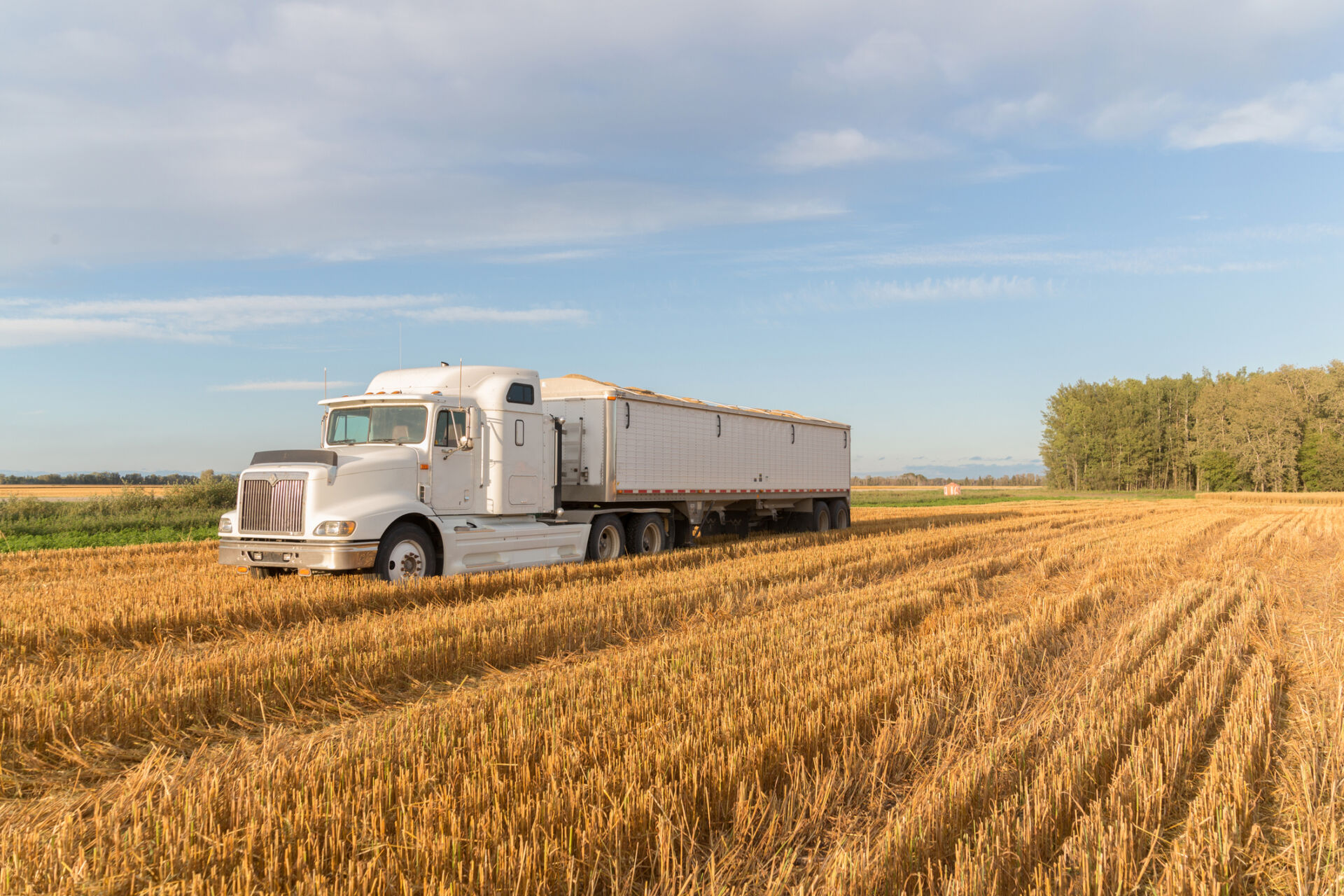
  • Farm-to-market transportation—reliant on diesel-powered heavy trucks—connects farmers to regional and global markets
  • Recycled water from oil and gas operations, when treated properly, could support sustainable irrigation and water stewardship in drought-prone areas.

Foreman brings this to life through a case study of “Valley Gains Farm,” a fictional but data-grounded representation of real-world farms across Texas and the nation.

What Makes This Article Unique?

Unlike most energy or agriculture discussions, which tend to focus on siloed issues, this article brings the two sectors together. It challenges the idea that fossil fuels are easily replaceable — especially in a global agricultural system built around cost efficiency, productivity, and just-in-time delivery of perishable goods.

This integrated perspective is especially relevant for students and early-career professionals in agriculture, economics, and energy. It is already being reviewed for possible inclusion in the curriculum of TCU’s Ranch Management program.

With rising global population, water scarcity, and pressure to cut emissions, the intersection of agriculture and energy is becoming more critical—and more complex. This article emphasizes the importance of realistic and informed energy policy, especially for sectors that must operate on narrow margins and maintain consistent output.

Ultimately, it serves as a reminder that sustainable progress depends not just on innovation, but also on maintaining what already works.

Source: TXOGA (Edited by Subcontractors USA)

Similar Posts

  • The National Organization of Minority Architects Increases the Number of Minority Architects

    FacebookXRedditPinterestEmailLinkedInWhatsApp By Subcontractors USA News Provider In partnership with the AIA Large Firm Roundtable (LFRT), the National Organization of Minority Architects (NOMA) created a fellowship program to help increase the number of minority architects throughout the U.S.  About the Fellowship Up to 20 fellowships available 8-week Virtual or In-person Part-time Internship (A limited number of…

  • Construction Spotlight on NAMC

    FacebookXRedditPinterestEmailLinkedInWhatsApp By Subcontractors USA News Provider Founded in Oakland, California, in 1969 by Ray Dones and Joseph Debro, the National Association of Minority Contractors (NAMC) is the oldest minority construction trade association in the United States. Members include more than 50 Hall of Fame members and Legacy Contractor Builders and a combined annual project capacity…

  • The University of Houston’s HUB Program Continues to Grow while Fulfilling its Mission

    FacebookXRedditPinterestEmailLinkedInWhatsApp By Valerie Jones In recent years, government statistics have shown an increase in Minority- (MBE) and Women-Owned Businesses (WBE) in the U.S. Much like Historically Underutilized Business (HUB), these entities have not always received the same opportunities for government contracts as other businesses in the state of Texas. This is precisely why HUB programs…

  • ExxonMobil to Join Oil and Gas Climate Initiative

    FacebookXRedditPinterestEmailLinkedInWhatsApp ExxonMobil today said it will join the Oil and Gas Climate Initiative (OGCI), a voluntary initiative representing 13 of the world’s largest oil and gas producers working collaboratively toward solutions to mitigate the risks of climate change. The CEO-led organization focuses on developing practical solutions in areas including carbon capture and storage, methane emissions reductions…

  • Fort Bend Independent School District

    FacebookXRedditPinterestEmailLinkedInWhatsApp Small Business Enterprise Program By News Provider The Fort Bend Independent School District’s Small Business Enterprise Program (“SBEP”) provides increased business opportunities for locally certified small businesses to participate in contracting and procurement at the District. FBISD has set an annual SBEP participation goal of twenty-five (25%) percent of the dollar amount of all…

  • U.S. Department of Labor Orders Houston Crane Company To Pay Nearly $24k to Worker Who Refused To Violate Federal Law

    FacebookXRedditPinterestEmailLinkedInWhatsApp By Subcontractors USA News Provider A federal whistleblower investigation led the U.S. Department of Labor’s Occupational Safety and Health Administration to order a Houston mobile crane rental company to pay a former employee nearly $24,000 in back wages, interest and damages after firing the worker in June 2020 for refusing to drive in excess…