
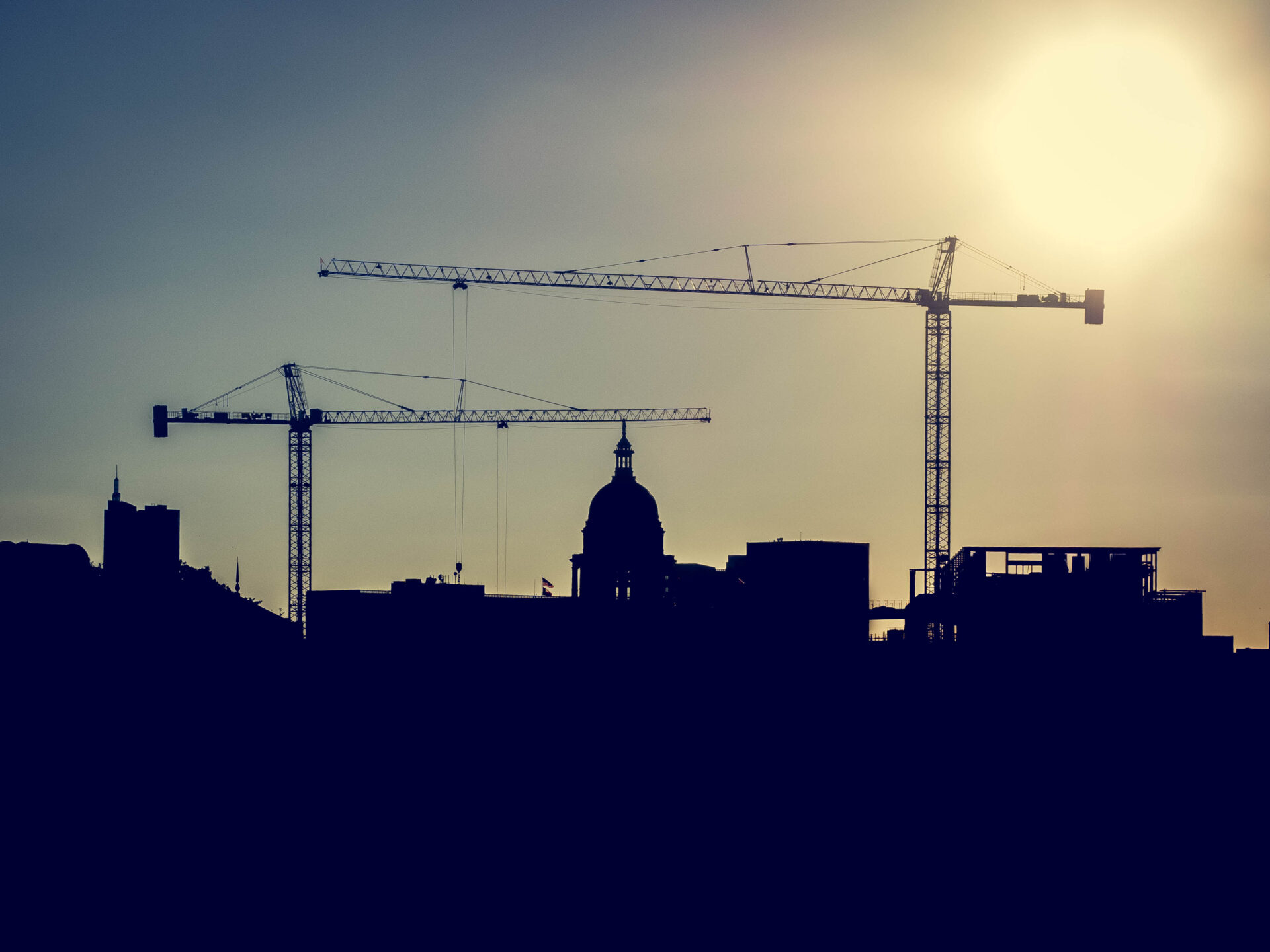
In a move aimed at improving safety, sustainability, and housing flexibility, the Austin City Council voted today to adopt the 2024 Technical Building Codes, along with a comprehensive set of local amendments tailored to support Austin’s unique environmental and housing goals. The updated requirements will take effect July 10, 2025.
Thenewly adopted codesupdate 10 sets of technical standards that regulate building design, construction, and maintenance throughout the city.
Key Changes in the Updated Codes
1. Air Conditioning Standards
To enhance protections during extreme heat events, the updated code requires that all buildings—both new and existing—provide and maintain air conditioning systems that can keep indoor temperatures no higher than 85 degrees and at least 15 degrees cooler than outside.
2. Housing Design Flexibility – Single Stairways
In support of increased housing options, the Council adopted amendments allowing single-stairway designs in certain multi-family residential buildings up to five stories. This design option—common in other urban areas—can allow for more flexible layouts.
3. Wildland-Urban Interface (WUI) Expansion
To better address wildfire risk, the amendments expand the designated Wildland-Urban Interface (WUI) and Proximity Zone C. This change will trigger more stringent construction requirements in these zones, such as fire-resistant materials and defensible space around buildings.
4. Innovative Building Materials – Hempcrete
The Council approved the use of hempcrete, a plant-based construction material, in residential construction. Hempcrete offers a low-carbon alternative to traditional concrete and aligns with the City’s broader goals to reduce greenhouse gas emissions in the building sector.
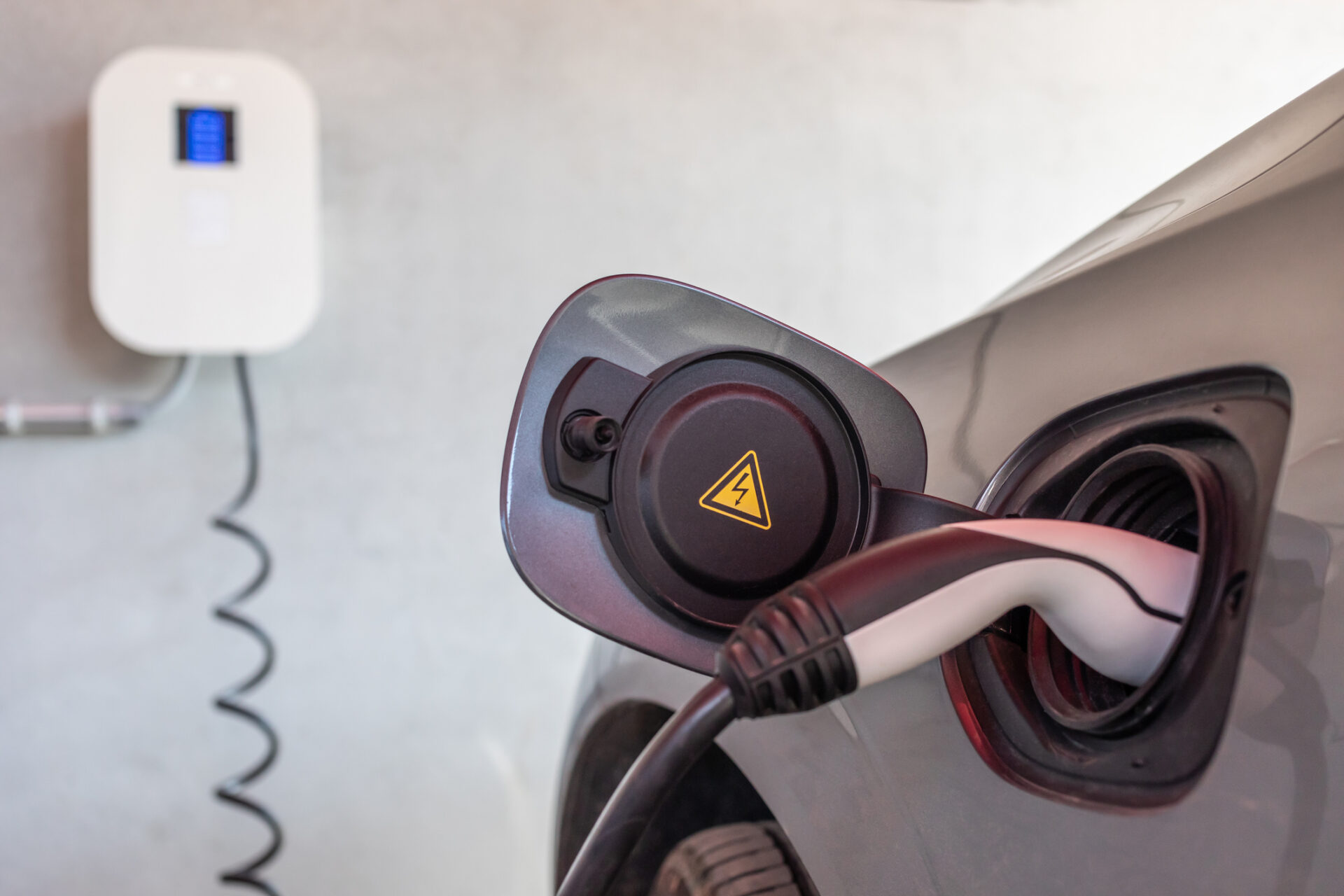
5. Energy Efficiency & EV Readiness
The updated codes introduce new energy efficiency standards for both residential and commercial buildings and require electric vehicle (EV) charging infrastructure in new construction. These updates advance the City’s climate goals and prepare buildings for Austin’s growing population of EV drivers.
6. Additional Health and Safety Requirements
Other updates include:
- Expanding pest control standards to include bedbugs and scorpions in multi-unit buildings.
- Enhanced emergency lighting requirements for high-rise buildings to improve safety during power outages or emergencies.
These updates reflect the City’s continued efforts to align building standards with community needs and long-term sustainability goals.
Source: City of Austin (Edited by Subcontractors USA)