
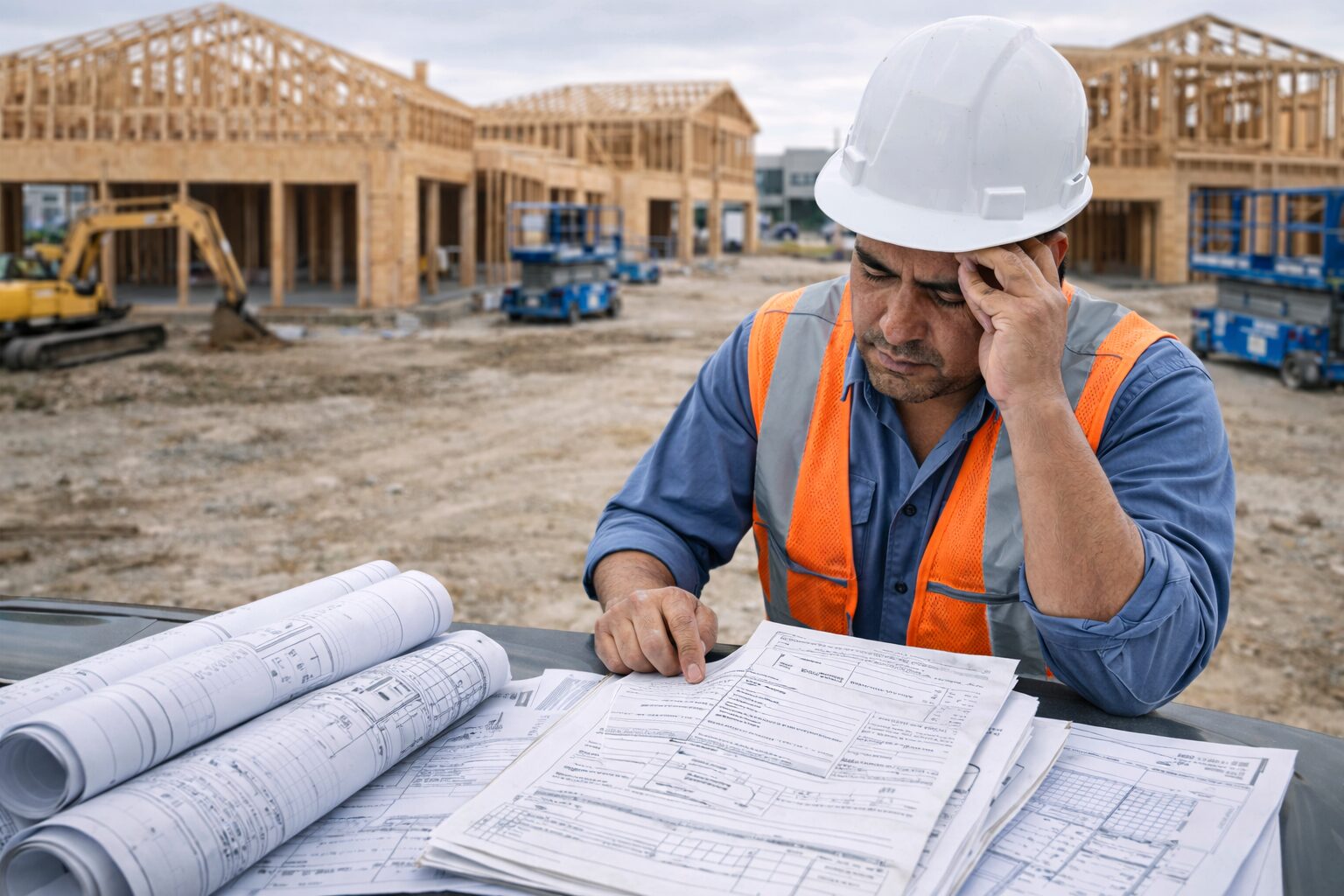
Permitting matters more than ever as rising oil prices, supply chain disruptions, and global tensions begin to impact the construction industry once again. Recent conversations with contractors reflect growing concern, echoing challenges seen during the pandemic when material shortages and escalating costs forced difficult decisions and, in many cases, led to project delays or business closures.
Earlier this week, I had a conversation that took me right back to the pandemic.
I was speaking with a gentleman wearing a Dodgers cap when our discussion shifted from baseball to business. After noticing one of our fully wrapped PermitUsNow trucks, he asked what we do. When I explained, he shared that he had closed his construction business during the pandemic due to the rising cost and limited availability of building materials.
That conversation stayed with me. Because today, we see familiar signs again driven
Recent global tensions, including the evolving situation involving the U.S. and Iran, have already begun to ripple through the construction industry:
- Oil prices rising above $100
- Fuel costs increasing across regions
- Hauling becoming more expensive
- Supply chains tightening
For those that have been in design and construction for a while…you already know what’s around the corner.
We’ve seen this before.
Contractors get squeezed!
And when this happens, the kind of decisions being made changes, especially when there is no resiliency or contingency plan is place.
During the pandemic, we received stressed calls from contractors and heard their horror stories at PermitUsNow.
From large to small contractors with seasoned teams while others were new to the game when the pressure of the market shift in material pricing and availability began to squeeze, things started to slip and the best decisions were not made like:
- delayed permits to “save money”
- started work before agency approvals were in place
- inspections missed
- rework that cost far more than the permit ever would
Some projects never recovered and contractors went out of business and worse, project owners were left holding the bag.
Now here’s the story today global geopolitics related to the US Iran war has contributed to market instability.
And when the numbers no longer pencil and contractors get financially stressed, poor decisions follow.
And from my experience from observing the market during adverse market shifts, one of the first places, poor decisions show up?
Permitting.
Yep! …the phase of that actually protects construction projects.
Here’s what then happens from making this decision and failing to pull a permit.
- stop-work orders are issued by city inspectors
- failed inspections stop work
- costly rework
- liability issues, red tags and fines eat into budget
As the market continues to tighten due to increased costs, the contractors who succeed will not be the fast rabbit. They will be the most disciplined, like the tortoise understanding the importance of each step, i.e. permitting, to achieve overall goal.
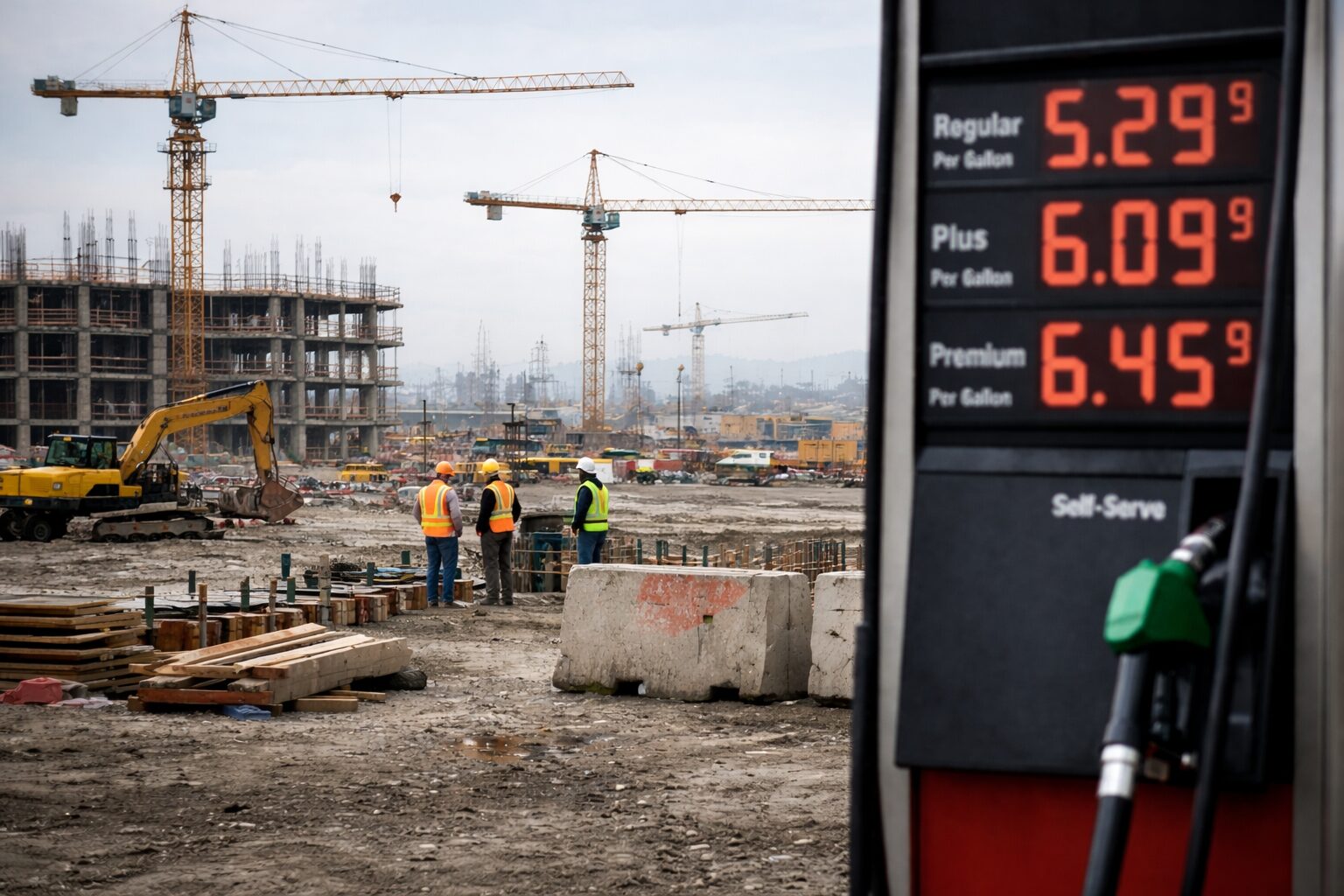
As costs continue to rise, the real impact goes far beyond material prices—it affects project timelines, decision-making, and overall success. We’ve seen this before during the pandemic, when similar pressures forced contractors into reactive decisions that led to delays, rework, and even business closures. Today, those same warning signs are emerging again, which is exactly why permitting matters more than ever. Permitting is not just another step in the process—it is a critical safeguard that protects projects from costly setbacks, ensures compliance, and keeps construction moving forward in an increasingly uncertain and volatile market.
In Summary
The growing war involving Iran has increased oil and fuel costs, adding inflation pressure, and raising uncertainty across supply chain and construction projects. Permits, inspections, and jurisdiction code coordination remain essential to life safety, compliance, and schedule protection.
If your project is starting to feel pressure on cost, labor, or schedule, don’t let permitting become the link that you choose to deal with later or not at all. Always remember to:
- Plan Early.
- Pull your permits.
- Call for inspections and closeout
Lastly, if you need help developing permitting strategies with risk plans and navigating the permitting process, make sure you work with experts who do this every day. #BuildSafe