

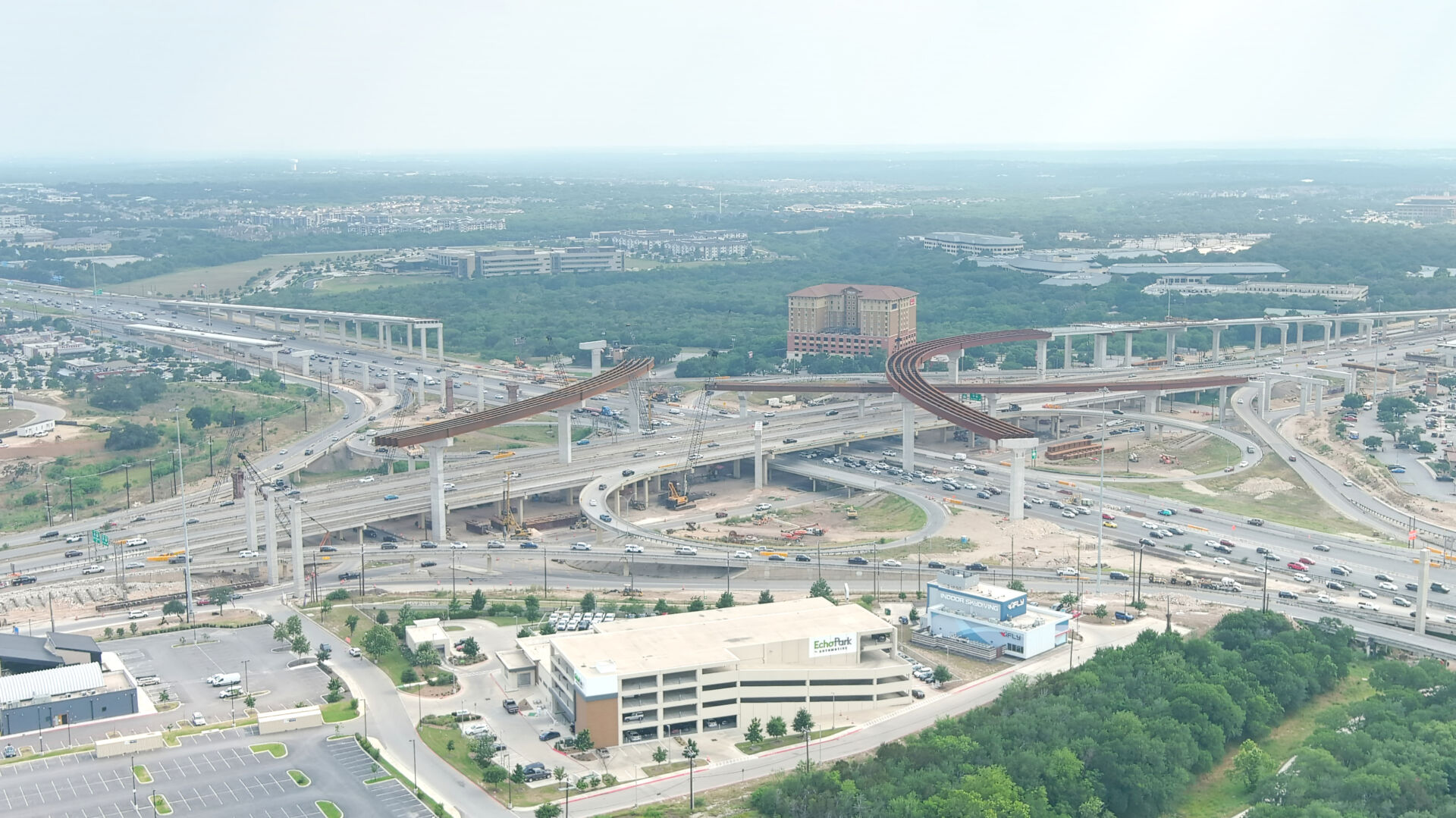
Texas will receive over $180 billion in combined state and federal infrastructure investment over the next decade—including TXDOT’s Unified Transportation Program (UTP), fueling new residential, retail, and mixed-use development.
Most developers and architects understand vertical permitting—but horizontal infrastructure, especially when TXDOT is involved, is an entirely different ballgame. Whether you’re near a TXDOT-funded corridor or planning adjacent development, your project may be delayed—or accelerated—based on how early you coordinate with regional infrastructure authorities.
For example, in Houston, the NHHIP realignment of I-45 North will open up entire zones of urban redevelopment and retail expansion. In Austin, the I-35 Capital Express project will alter traffic patterns, right-of-way access, and utility zones through the heart of the city.
PermitUsNow helps developers and architects understand:
- Where TXDOT projects intersect with local permitting codes
- How to pre-coordinate utility, traffic, and drainage impacts
- Why aligning early with TXDOT and MPO planning gives projects a critical time advantage
The future of Texas infrastructure isn’t just roads—it’s the neighborhoods, restaurants, schools, and retail that follow. Permits make those projects real. Let’s fast-track them together.
And there’s another layer: Metropolitan Planning Organizations (MPOs) play a critical role in regional transportation coordination. These agencies—such as H-GAC in Houston, CAMPO in Austin, and Alamo Area MPO in San Antonio—work alongside TXDOT to ensure long-range mobility planning aligns with funding and infrastructure delivery.
Developers should know that MPOs can influence when and how nearby TXDOT-related improvements are phased. Overlooking their role could lead to unexpected delays in permitting site access, traffic impacts, or drainage approvals. That’s why early alignment and outreach, not just to city permitting centers but also to TXDOT and MPO officials, gives your capital project a competitive advantage.
Top 5 Permitting Tips for Infrastructure Projects:
- Start coordination with TXDOT district offices at concept stage.
- Review drainage, traffic, replat, and ROW impact studies early.
- Expect multiple agencies coordination and approvals (city + state + private utility).
- Understand how corridor improvement projects can unlock zoning or TIRZ incentives. For example, in areas adjacent to TXDOT expansions like I-35 or I-45, cities may offer density bonuses, expedited plan review, or reduced impact fees if your development aligns with long-range mobility goals. Being familiar with these local incentives not only improves your ROI but also enhances community buy-in and political support.
- Engage a permitting expert who understands both vertical and horizontal building codes. This key insight and knowledge allow you to avoid costly redesigns due to code misalignments—especially on complex projects that touch both sitework (roads, utilities) and building systems (MEP, life safety).
In Conclusion
Contractors have told us that it is frustrating to be snared in TXDOT claws like (ROW) issues and waiting on agency approvals. We know that permitting can be stressful for many, and PermitUsNow is here to help architects, contractors, and project owners save time, money, and energy in permitting your capital projects.
TXDOT’s multibillion-dollar roadmap is reshaping where and how Texas flows and grows. The sooner you engage with these projects from a permitting lens, the sooner your designs and developments can break ground without delay. Have a question on permitting, visit permitusnow.com/quote to request a quote, or call 1.844.PERMIT.4 for a consultation.