
DART 2030 Transit Plan: Cotton Belt Corridor

iStock 458539387

The DART 2030 Transit System Plan (TSP), approved in October 2006, identified the Cotton Belt Corridor as a priority project. In 2016, DART advanced implementation of the Cotton Belt to the year 2022 in its FY2017 Twenty-Year Financial Plan. The DART 2040 Transit System Plan, which is under development, will reflect this change to the project schedule. The proposed project would be financed through a new federal loan program called Railroad Rehabilitation and Improvement Financing (RRIF). The project assumes a phased approach to implementation that would initially include mostly single-track operations.

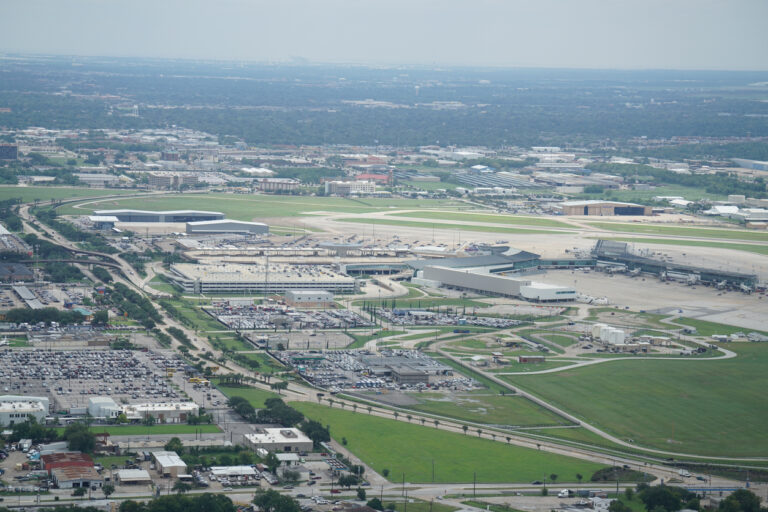
The 26-mile Cotton Belt Corridor extends between DFW Airport and Shiloh Road in Plano (see map below). The alignment traverses seven cities: Grapevine, Coppell, Dallas, Carrollton, Addison, Richardson and Plano. The Cotton Belt Project’s primary purpose is to provide passenger rail connections and service that will improve mobility, accessibility and system linkages to major employment, population and activity centers in the northern part of the DART Service Area. The Cotton Belt Project would interface with three DART LRT lines: The Red Line in Richardson/Plano, the Green Line in Carrollton and the Orange Line at DFW Airport. Also at DFW Airport the project would connect to Fort Worth Transit Authority’s TEX Rail Regional Rail Line to Fort Worth and the DFW Airport Skylink People Mover.

DART is preparing an Environmental Impact Statement (EIS) to assess the impacts and benefits of rail passenger service on the Cotton Belt Corridor. Project oversight will be conducted by the Federal Transit Administration (FTA) in cooperation with the Federal Railroad Administration (FRA) and the Federal Aviation Administration (FAA).

DART has established an email address for receiving comments on the project: CottonBelt@DART.org.


Source: www.dart.org

Similar Posts

  • The 5 Best Tech Opportunities for Construction Companies

    FacebookXRedditPinterestEmailLinkedInWhatsAppConstruction has been one of the slowest industries to adopt technology. That’s partly cultural—folks in the industry like to solve problems with their own ingenuity. Many firms are still family owned, and there’s still a lot reverence for tradition. Plus, this is an industry with thin margins, where the first funding priorities are equipment and personnel….

  • OSHA Reveals Top 10 Safety Violations for Fiscal Year 2022 at NSC Safety Congress & Expo 

    FacebookXRedditPinterestEmailLinkedInWhatsAppThe Occupational Safety and Health Administration announced recently its preliminary Top 10 most frequently cited workplace safety standards for fiscal year 2022. NSC Safety+Health Associate Editor Kevin Druley introduced Patrick Kapust, acting director of OSHA’s Directorate of Enforcement Programs, who presented the list during the 2022 NSC Safety Congress & Expo, the world’s largest annual…

  • 5 Surprising Ways Clean Technology is Improving Daily Life

    FacebookXRedditPinterestEmailLinkedInWhatsApp By Subcontractors USA News Provider Climate-related crises like rising sea levels, severe weather events and longer drought seasons are challenging the global economy. They’re also driving the launch of new clean technologies. Here are five examples of how these new technologies are changing and improving daily life: 1. Making clean energy easier to access….

  • Construction Adds 19,000 Jobs in March, While Project Spending Rises for 12th Straight Month in February; Officials Warn of Growing Challenges

    FacebookXRedditPinterestEmailLinkedInWhatsAppConstruction employment climbed by 19,000 jobs between February and March, while spending on construction projects rose for the 12th month in a row in February, according to an analysis by the Associated General Contractors of America of government data released today. Association leaders warned that further gains may stall unless the supply of workers and…