

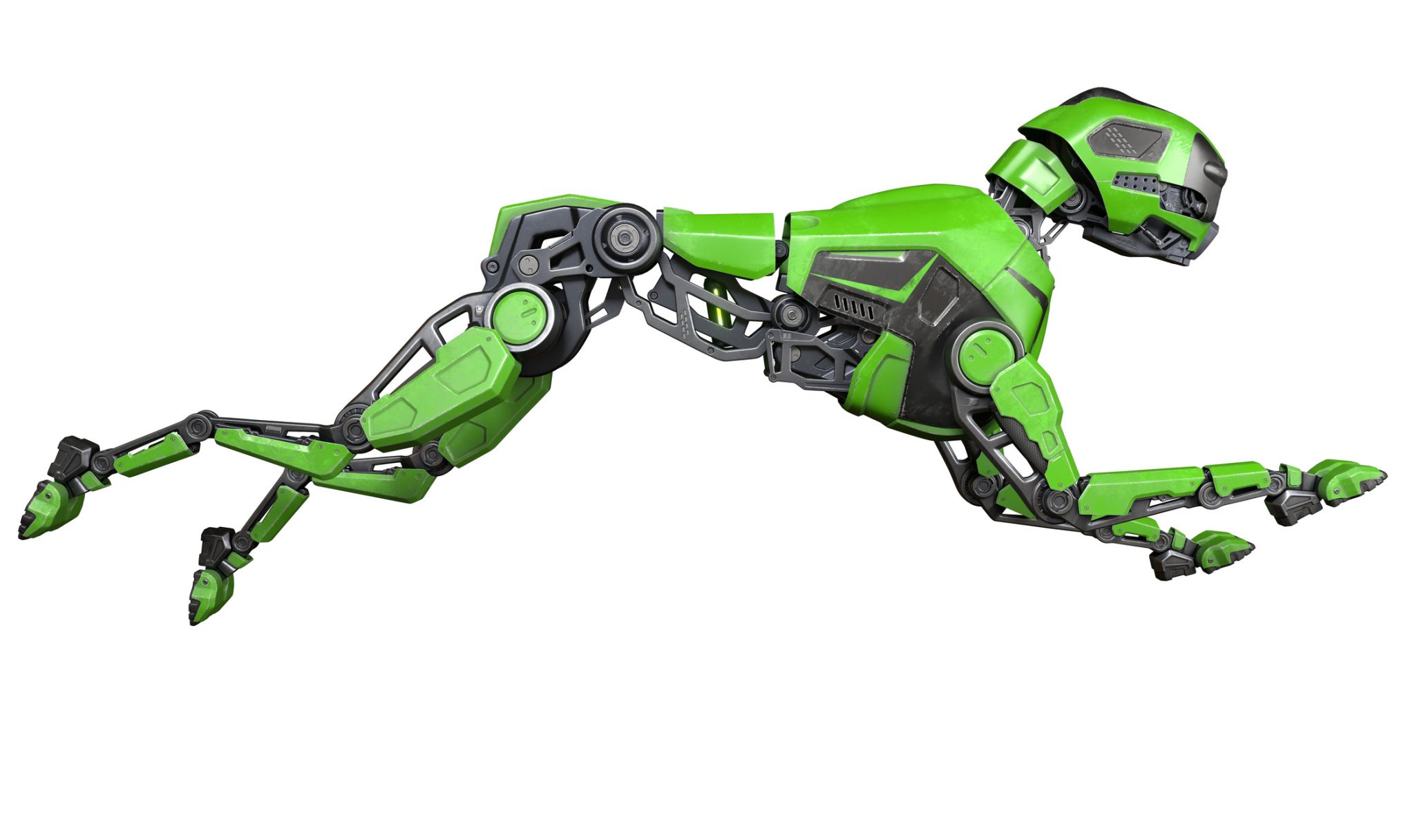
Robots, machinery and software promise to aid with the skilled labor shortage, or at the very least free up managers’ and other workers’ time so they can focus on more important tasks.
In the next three decades, as many as 2.7 million construction jobs could become automated, according to a report from the Midwest Economic Policy Institute. That could result in $30 billion in reduced labor costs in 2020 dollars, the report says.
Here are some tasks that automation is promising to aid.
Robots take on jobsite tasks
Most autonomous innovations are for simple, but time-consuming tasks on the jobsite, namely image capture and laser scanning that provide imagery of a project’s progress.
Boston Dynamics is continuing to market its autonomous tech to contractors. Its Spot the robot dog patrols jobsites autonomously, following along pre-planned routes to take image captures. A human may only get to this task a few times a week but the robo dog can walk the site any time. Also, the technology allows construction site managers and others to continue working on other assignments or tasks.
Hensel Phelps sicced Spot on a site for tests, trying out HoloBuilder’s SpotWalk app, which allows the robotic dog to perform reality capture of jobsites regularly.
Boston-based Windover Construction created a solution with software developer RCML to implement a solution on an existing robot. The two-tracked robot is able to move around jobsites to perform laser scans and make drawings of a site with precise accuracy — both jobs that would require a lot of time and effort if done by a person.
In terms of jobsite security, British robot developer Casta Spes Technologies has developed the Ziva robot — a two-wheeled robot that can patrol construction sites and use facial recognition technology to recognize people who should and shouldn’t be on jobsites. Though not yet marketed in the U.S., Casta Spes’ CEO Selby Cary told Construction Dive it will sell it in the Americas in the future.
Other tasks for robots
Automated machines filling jobs means not just supplementing the construction process, but performing physical tasks on site.
Built Robotics announced last month the unveiling of 100% autonomous software for construction excavators and bulldozers. Built outfits existing construction machinery with its software and trains managers to ensure they operate the equipment properly, using GPS guidance systems. With this technology, a manager can look over multiple excavators or bulldozers at once.
Other automation options are more niche, such as a robot designed to tie rebar, usually for work on bridges. The Tybot must be set up and placed on the jobsite, but is then able to tie rebar autonomously.
Source: Construction Dive