
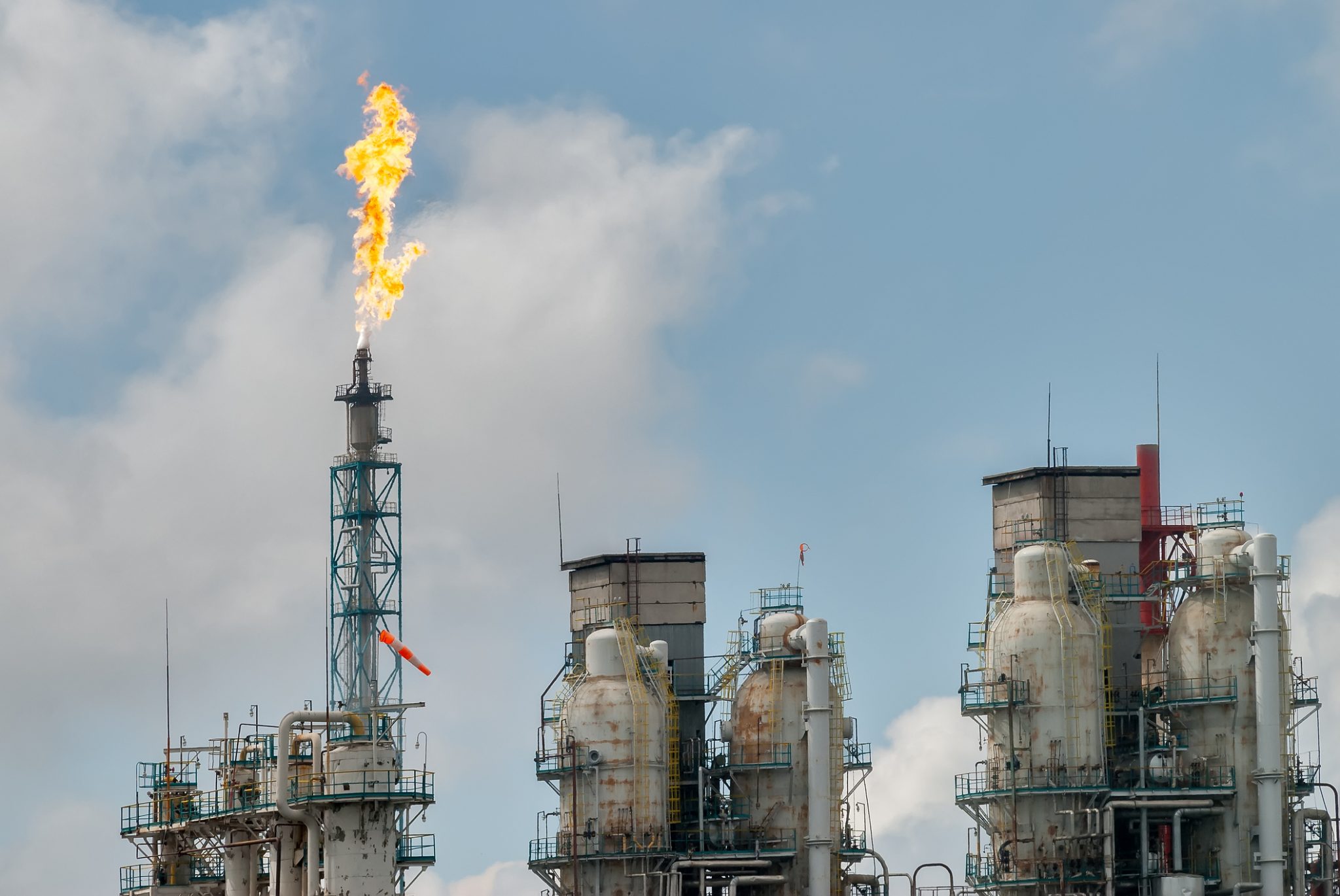
REDUCING NATURAL GAS FLARING

iStock 578112108 scaled

At a recent meeting of the Texas Railroad Commission, the Texas Methane Flaring Coalition laid out a series of best-practice recommendations for industry and regulators to consider as we all move toward a goal of zero routine flaring in the Permian Basin.

We’re proud to add our voice to this diverse group calling for action – everyone from the Environmental Defense Fund to the Oil and Gas Climate Initiative and investors such as JP Morgan Asset Management, as well as small and large energy companies.

ExxonMobil’s experience in the Permian Basin demonstrates that zero routine flaring is within everyone’s reach.

A little over a year ago, we instituted an ambitious protocol to reduce flaring at our U.S. unconventional operations.

The protocol includes the installation of new equipment to capture emissions, completing wells only when we have adequate natural gas takeaway capacity, and shutting in production if there is a prolonged mechanical upset.

The results have been extremely encouraging, and demonstrate that the industry can reduce flaring through cost-effective measures.

In just one year, we lowered our flaring intensity in the Delaware and Midland sections of the Permian from 4.7 percent in June 2019 to 1 percent in May. When you consider we’re producing a lot more oil in the Permian compared to last year, this achievement takes on added significance.

Natural gas production provides enormous economic and environmental benefits.

These benefits can be maximized when the oil and gas industry takes further action to reduce flaring and methane emissions.

At ExxonMobil, we’re making real progress on both — through support for federal methane regulations, and by meeting our flaring and methane reduction targets, which we expect to do by yearend.

Through initiatives like the Texas Methane Flaring Coalition, we’re also helping others achieve the same progress.

Source: ExxonMobil
Similar Posts

  • Job Alert: Diesel Technician and Truck Driver Shortage Countrywide

    FacebookXRedditPinterestEmailLinkedInWhatsApp As the transportation industry continues to grow and baby boomers continue to retire, the need for trained diesel mechanics and truck drivers has never been greater. Job openings span the United States, and many sit open while businesses feel the stress of a massive talent shortage. For people seeking job security in a hands-on…

  • ConocoPhillips Donates $1 Million to Support Data Science at the University of Houston

    FacebookXRedditPinterestEmailLinkedInWhatsApp ConocoPhillips (NYSE: COP) today announced a $1 million contribution to the University of Houston’s College of Natural Sciences and Mathematics (NSM) to help meet growing demand for data science education. This donation marks the first of several planned contributions by ConocoPhillips to support data science curriculum at multiple universities. The contribution to the University…

  • Oil & Gas News: Christian Applauds Senate Takedown of ESG

    FacebookXRedditPinterestEmailLinkedInWhatsApp The Senate Committee on State Affairs held a hearing recently in Marshall, Texas, investigating the expansion of the Environmental, Social, and Governance (ESG) movement. Texas is leading the fight to halt ESG practices, a woke investment strategy that places a priority on subjective environmental and social metrics instead of financial metrics that ensure quality…

  • Texas Oil & Gas Production Statistics

    FacebookXRedditPinterestEmailLinkedInWhatsApp Crude oil and natural gas production as reported to the Railroad Commission of Texas for September 2022 came from 160,490 oil wells and 87,246 gas wells. The RRC reports that from October 2021 to September 2022, total Texas reported production was 1.5 billion barrels of crude oil and 11.1 trillion cubic feet of total…

  • 5 Tips to Start Your Oil And Gas Career

    FacebookXRedditPinterestEmailLinkedInWhatsApp The oil and gas industry has changed a lot over the past few decades due to technological developments, changing economic factors, and increased energy demand caused by changing consumer behaviors. All these changes are leading to exciting new opportunities for engineers and technical personnel. So, if you’re interested in a career in Oil and…