

Exxon Mobil Corporation announced an agreement with Calpine Corporation, the nation’s largest producer of electricity from natural gas, to transport and permanently store up to 2 million metric tons per annum (MTA) of CO2 from Calpine’s Baytown Energy Center, a cogeneration facility near Houston. This is part of Calpine’s Baytown Carbon Capture and Storage (CCS) Project that is designed to capture the facility’s CO2 emissions, enabling the 24/7 supply of low-carbon electricity to Texas customers as well as steam to nearby industrial facilities.
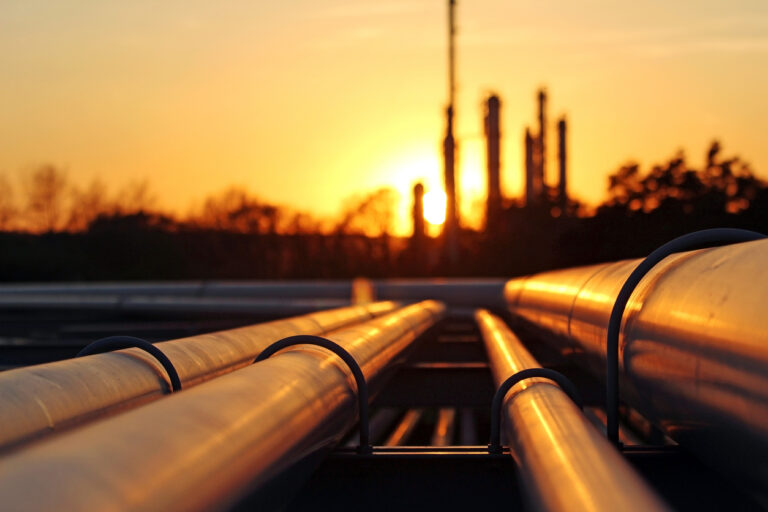
This agreement marks ExxonMobil’s sixth CCS customer, bringing the company’s total amount of CO2 under contract to ~16 MTA. The CO2 from Calpine’s facility will tie into ExxonMobil’s CO2 pipeline system, the largest in the world, which is strategically located along the U.S. Gulf Coast and supports enhanced oil recovery as well as permanent CO2 sequestration.
“We’re thrilled to work with Calpine on this project that supports American energy security, enhances industrial competitiveness and leverages America’s abundant low-cost natural gas resources,” said Barry Engle, President of ExxonMobil Low Carbon Solutions. “This agreement underscores the growing confidence our customers across diverse sectors—including steel, fertilizer, industrial gases, natural gas processing, and now power generation—have in our unique end-to-end CCS system.”
Calpine’s Baytown CCS Project expects to produce about 500 megawatts of low-carbon electricity, enough to power more than 500,000 homes, as well as steam for industrial use. Engineering, permitting, and other development activities are underway. The project anticipates creating significant construction and permanent jobs.
“Calpine is excited to partner with ExxonMobil to achieve this important project milestone,” said Caleb Stephenson, Calpine Executive Vice President. “As the largest U.S. generator of electricity from natural gas, we understand that the nation’s gas fleet will remain the backbone of the grid for decades to come. We believe CCS is an actionable and cost-effective way to meet customers’ demand for reliable power and alleviate concerns about the indisputable long-term need for gas-fired facilities. Low-cost natural gas along with carbon capture technology and widespread geologic storage resources can bolster U.S. energy, natural gas use, jobs, and export strength.”
The advancement of this project remains contingent on ongoing supportive government policy, customer power sales agreements, and receipt of necessary regulatory permits.
Source: ExxonMobil (Edited by Subcontractors USA)