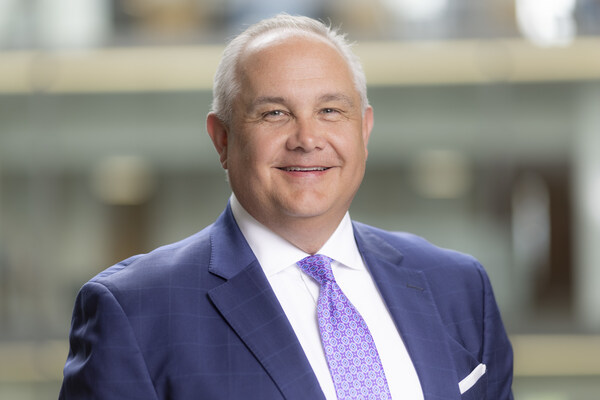
Rick Kopps, Chevron’s chapter manager of subsea controls and power, has been working on subsea equipment for more than 30 years. He recently provided technical support to enable a successful tieback from Chevron’s Ballymore Field to the existing Blind Faith facility.
“I find the work I do offshore fascinating. Tiebacks are an integral part of our efforts to add value and extend the life of our offshore facilities,” Kopps said.
How Tiebacks Work
Subsea tiebacks connect offshore oil and gas fields to existing production facilities via pipelines. One way to think of a tieback is as a long garden hose running from a faucet to a garden — in this case, from a resource to a production facility.
To create a tieback, an oil and gas company drills wells on the seabed and then installs equipment that directs the hydrocarbon flow through a gathering system.
The hydrocarbons are transported, via flowlines, to a host platform, where minimal processing is done.
Tiebacks enable the extraction of oil and gas from remote or deep locations without the need for a new, stand-alone production platform.
Benefits of Tiebacks
Tiebacks allow Chevron to do more with less. They add shareholder value by lowering development costs while maximizing output.
By linking existing production facilities to commercial reservoirs, they can also keep those facilities producing longer.
Chevron’s Position in the Gulf of America
With a more-than-85-year track record of success in the Gulf, Chevron is continuing to grow operations there.
Chevron is continuing to build its deepwater portfolio through exploration near existing assets. In the Gulf of America, a significant amount of Chevron’s portfolio is within tieback range. Last month, Chevron started oil production at Ballymore, which is just three miles away from the Blind Faith platform.
In addition to using a subsea tieback to an existing facility, the project leverages standardized equipment and repeatable engineering solutions. It is expected to produce up to 75,000 gross barrels of oil per day.
Taking Tiebacks Further
Kopps shared how new technologies have enabled Chevron to connect tiebacks to platforms at greater distances. He said that subsea pumping technology, for example, extends tieback ranges from a few miles to 60 miles — all while improving recovery rates.
These extended ranges are allowing Chevron to tap into more fields without having to build new platforms to accommodate them.
Source: Chevron (Edited by Subcontractors USA)