
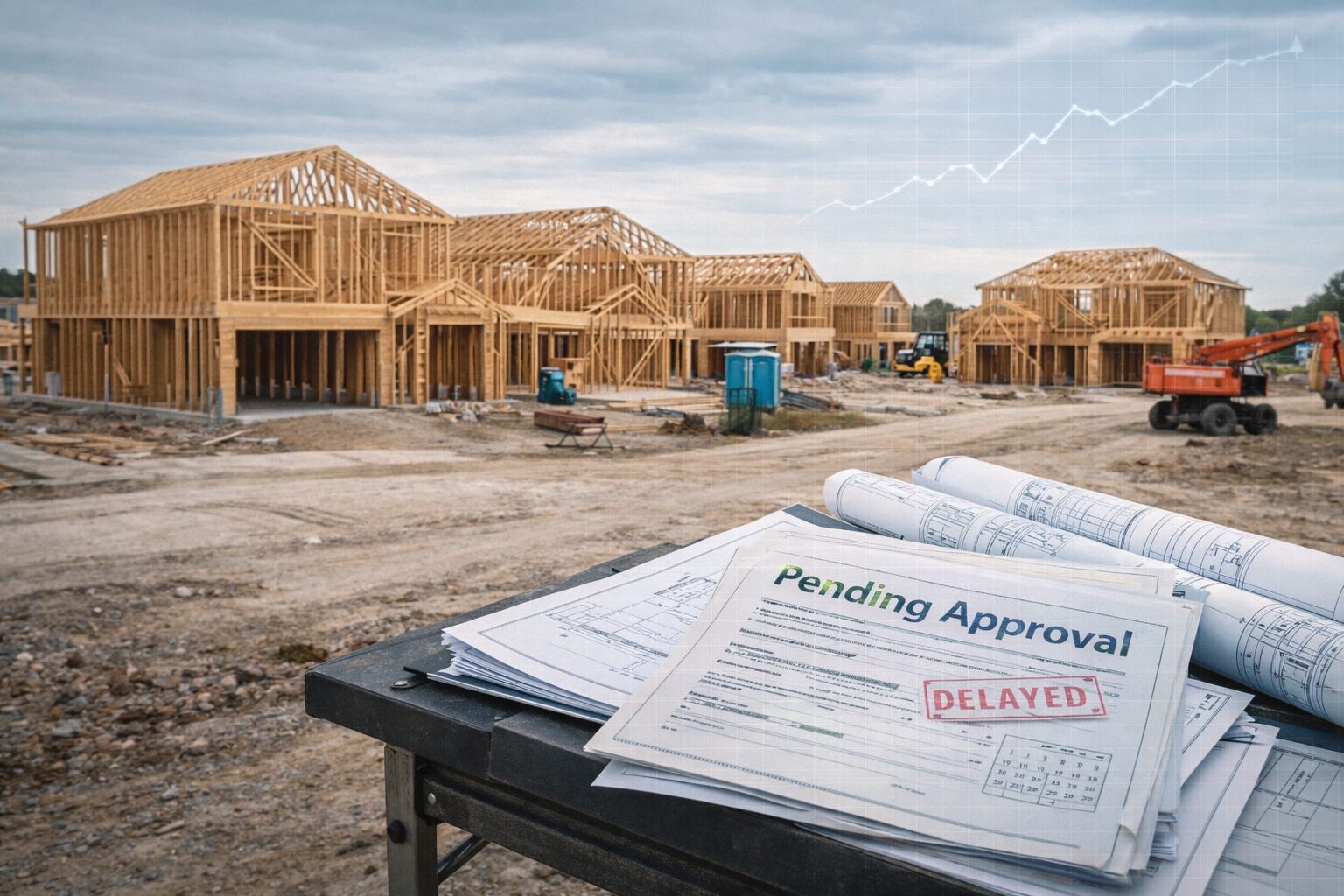
How Permitting Delays Are Driving the Housing Affordability Crisis is becoming a central question in today’s housing debate. When you turn on the business news channels, the steady drumbeat is clear: America faces a housing shortage. Yet a closer look reveals a more nuanced reality. While overall single-family and multifamily inventory exists in many markets, the true deficit lies in affordability—housing that is attainable for first-time buyers and realistically priced for working families. Policy proposals such as 50-year mortgages, tapping 401(k) funds for down payments, and expanded mortgage-backed securities purchases all aim to address this growing gap. However, financial tools alone cannot resolve what is increasingly a systemic challenge tied directly to project timelines, regulatory coordination, and the predictability of permit approvals. And for the multi-family market, there are other dynamics contributing to the limited supply of affordable rental units.
Housing that is affordable, deliverable, and aligned with today’s income realities.
In many markets, multifamily inventory has grown substantially over the last several years, particularly at the higher end luxury units. Single-family inventory also exists, but often at price points that are way out of reach for first-time buyers.
Again, the gap isn’t the number of housing units. There’s plenty. The gap is affordability.
And what has become obvious for many, the challenge of affordability is not just financial, it is systemic.
The Housing Mismatch
The period of strong demand, low interest rates, and accelerated building during the pandemic led to a concentration of higher-end housing products. The good news is that development met market demand at the time, but it also exposed a longer-term imbalance i.e. systemic.
Affordable housing projects face:
- Thinner margins
- Greater financing sensitivity
- Less tolerance for delay and uncertainty
As a result, many builders, especially the smaller and medium sized, are often the most vulnerable to disruption and become boxed in on incentives they can offer to continue to play.
Here’s Where Delivery Breaks Down
The delivery of housing units does not hinge on demand alone. It depends on how effectively financing, design, construction, and approvals of permits move together.
When permitting timelines are slow or unpredictable, construction project costs rise. Carrying costs increase, schedules compress, and risk accumulates. Developers respond so they can survive another day by building higher-cost houses that can absorb those risks.
Affordable housing is often the first pushed aside with uncertainty. It is a question of systems alignment.
The Role of Permitting
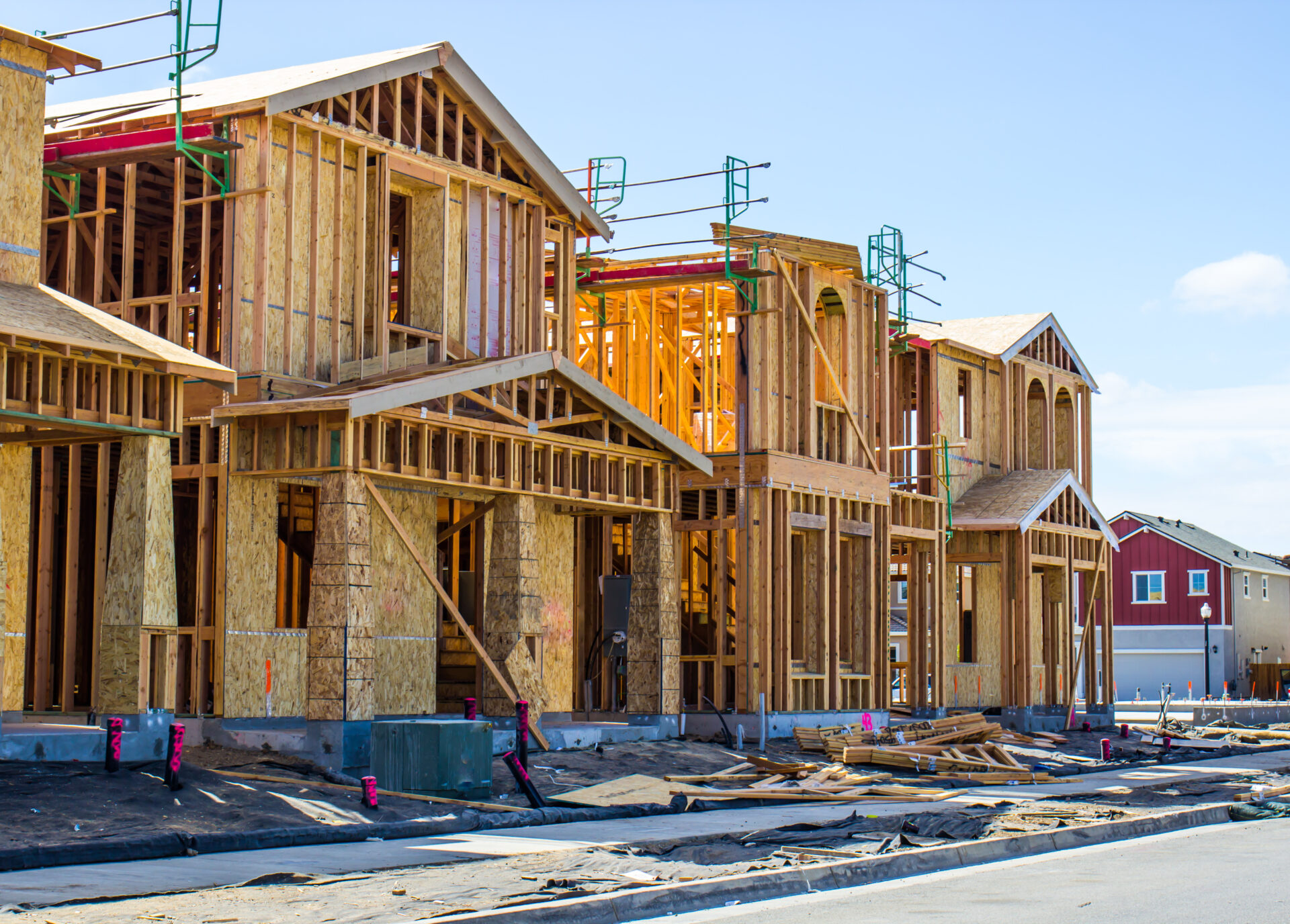
Permitting is frequently viewed as the long pole in the tent in housing delivery. In practice, it is a central determinant of whether projects reach the market on time and at a price new homebuyers can afford.
Here’s What I Know: Predictable, early starts with AHJ’s with coordinated approvals:
- Reduce costs
- Support realistic underwriting
- Protect affordability targets
- Enable projects to move forward at scale
When approvals of permits are out of sync, even well-funded projects struggle to maintain affordability.
A Systems Challenge, not a Talking Point
As interest rates, financing tools, and housing policy continue to be debated, it’s important to recognize that financial mechanisms alone cannot fully solve the affordability challenge.
Delivering affordable housing is a systems challenge.
Whether the project is multifamily or single-family, public or private, affordable housing depends on early coordination, realistic project phasing and permit approval processes that align with construction realities.
Builders with the cooperation of permitting jurisdictions that address those fundamentals will be better positioned to deliver housing that works for new homebuyers versus housing that just exists.
Long-term single-family and multifamily housing affordability will depend not just on policy or funding, but on how effectively projects move from permit approval through construction and into occupancy.
Thoughtful perspectives on housing affordability are always worth hearing.
If you are planning construction projects for 2026 and have questions about permitting, ask for a consultation via PermitUsNow.com/ quote or call 1-844-PERMIT-4. We know that permitting can be challenging, and we’re here to help. #BuildSafe
Summary
How Permitting Delays Are Driving the Housing Affordability Crisis examines the growing disconnect between housing supply and true affordability in today’s market. While data shows that single-family and multifamily inventory exists, much of it is priced beyond the reach of first-time homebuyers and working families. The article explores how systemic challenges—particularly slow and unpredictable permitting processes—raise construction costs, increase financial risk, and ultimately push developers toward higher-priced projects that can better absorb uncertainty.
By highlighting how financing, design, construction, and approvals must move in sync, the piece reframes the affordability debate as a systems issue rather than simply a funding or policy problem. It explains why affordable housing projects face thinner margins, greater sensitivity to delays, and less tolerance for regulatory unpredictability. The takeaway is clear: long-term housing affordability depends not just on mortgage products or federal intervention, but on modernized, predictable permitting processes that allow projects to move efficiently from approval to occupancy.