The U.S. Department of Labor’s Occupational Safety and Health Administration (OSHA) has issued interim enforcement guidance to help combat supply shortages of disposable N95 filtering face piece respirators (N95 FFRs). The action marks the department’s latest step to ensure the availability of respirators and follows President Donald J. Trump’s Memorandum on Making General Use Respirators Available.
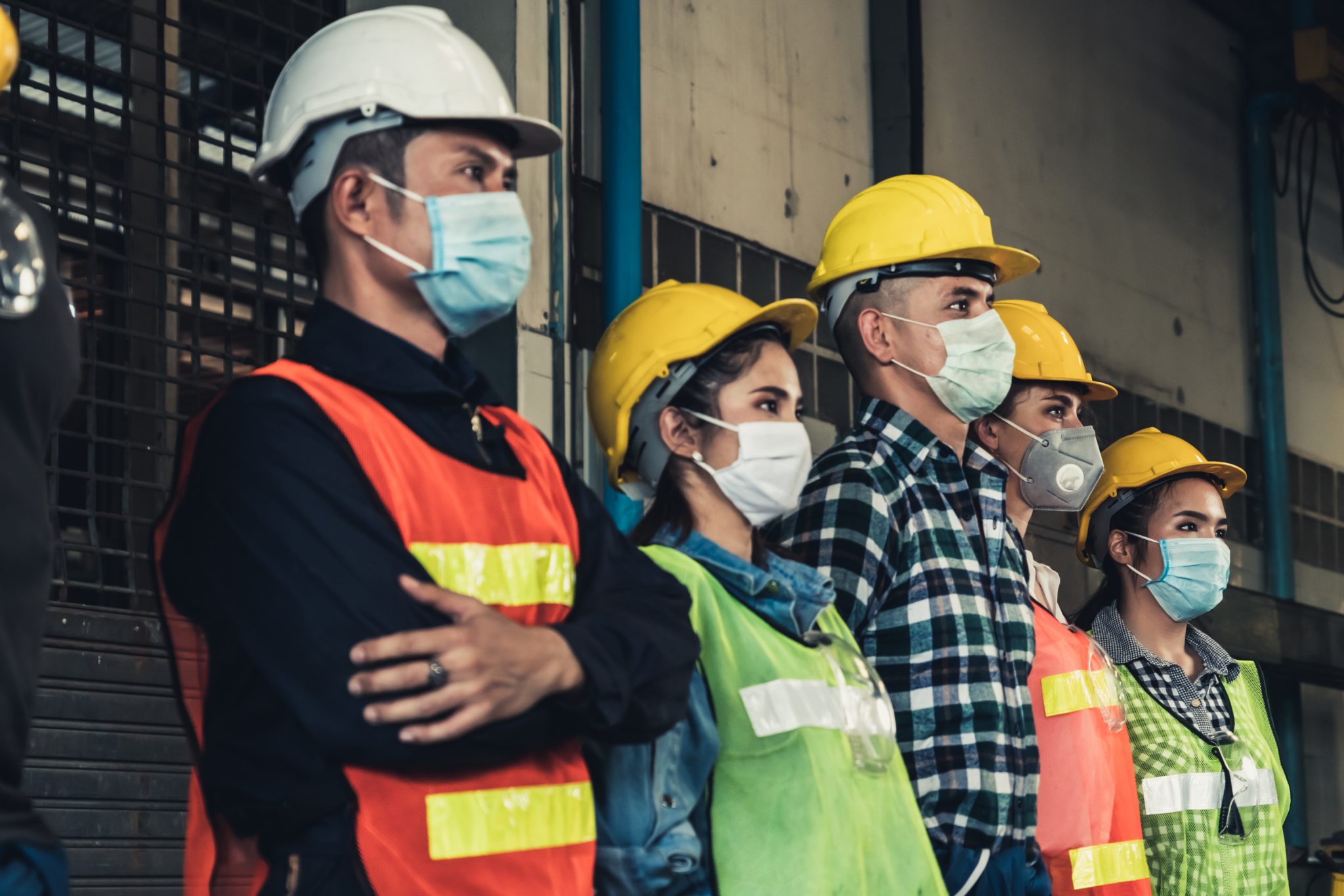
Due to the impact on workplace conditions caused by limited supplies of N95 FFRs, employers should reassess their engineering controls, work practices and administrative controls to identify any changes they can make to decrease the need for N95 respirators.
If respiratory protection must be used, employers may consider use of alternative classes of respirators that provide equal or greater protection compared to an N95 FFR, such as National Institute for Occupational Safety and Health (NIOSH)-approved, non-disposable, elastomeric respirators or powered, air-purifying respirators.
When these alternatives are not available, or where their use creates additional safety or health hazards, employers may consider the extended use or reuse of N95 FFRs, or use of N95 FFRs that were approved but have since passed the manufacturer’s recommended shelf life, under specified conditions.
This interim guidance will take effect immediately and remain in effect until further notice. This guidance is intended to be time-limited to the current public health crisis. Visit OSHA’s Coronavirus webpage regularly for updates.
For further information about COVID-19, please visit the U.S. Department of Health and Human Services’ Centers for Disease Control and Prevention.
Under the Occupational Safety and Health Act of 1970, employers are responsible for providing safe and healthful workplaces for their employees. OSHA’s role is to help ensure these conditions for America’s working men and women by setting and enforcing standards, and providing training, education and assistance. For more information, visit www.osha.gov.
The mission of the Department of Labor is to foster, promote and develop the welfare of the wage earners, job seekers and retirees of the United States; improve working conditions; advance opportunities for profitable employment; and assure work-related benefits and rights.
Source: OSHA