

Peer-to-peer marketplace apps are all about getting rid of the often expensive and usually time-consuming intermediary process and connecting users directly to the services they need.
This way of doing business has become popular with everything from vacation rentals a la Airbnb to ride sharing via Uber and Lyft.
That desire for convenience — and the ability to save some time and money — has worked its way into the construction industry as well.
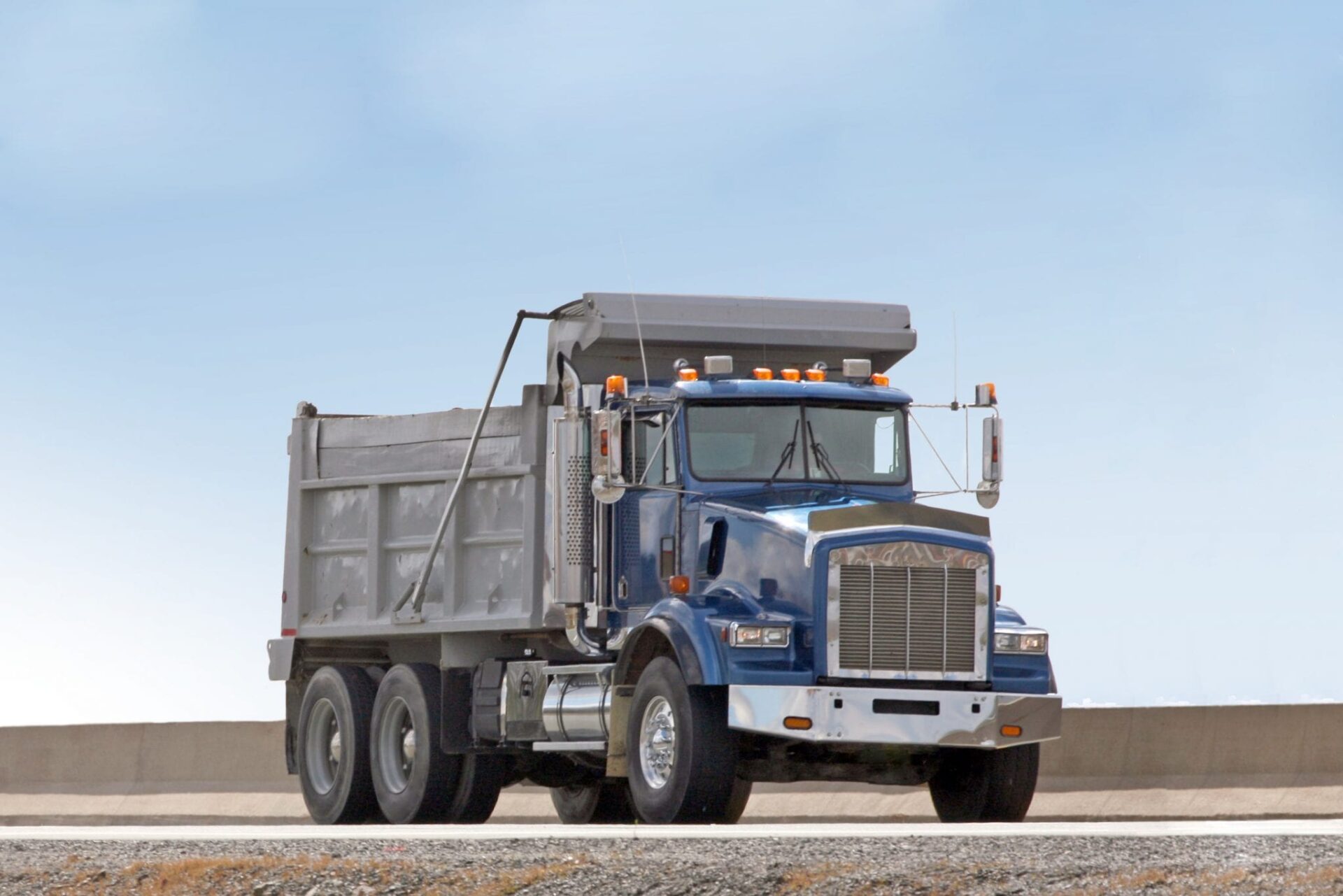
Trelar is the latest such service. The Austin, Texas-based startup is getting ready for its July launch of a networked marketplace mobile app that will provide contractors with on-demand dump truck services.
Starting July 15, contractors in need of aggregates — the company expects to expand on this category of offering — will be able to schedule and pay for their deliveries at the touch of a smartphone button. Initially, the service will roll out on the West Coast and in South Florida.
Here’s how it works: First, general contractors and dump truck drivers, who are vetted for insurance and proper licensing by Trelar before they are allowed to pick up orders, submit their registrations. Then contractors can hire trucks by placing a marketplace order, which is then picked up by the first interested and available driver, or by placing an order with a trucking service they have worked with in the past but using a Trelar account. Producers of building materials can also sign up and send work orders out for fulfillment.
The construction industry is ripe for this sort of automation, said Gary Clarke, Trelar CEO and founder, who noted that more than 90% of the dump truck market is held by independent contractors with fewer than six trucks.
“It is a very fragmented sector,” he said. “Right now, it’s a really inefficient way to be able to search, schedule, book and then actually transact a truck.” The current process is “archaic,” he said, with too much reliance on paper receipts and Post-it note reminders stuck to the walls.
Trelar joins Trux, a similar service, in helping to bring some organization to what Clarke said is a $20 billion-a-year business in the U.S. Others looking to make inroads in the space include Dauber, TruckIT and DumpTruckLoads.com.
Trelar, Clarke said, has used social media to get the word out about the service and launch date and, as a result, has a healthy roster of drivers, producers and contractors ready to use the app as soon as it rolls out.
One feature that all sides will find useful is that Trelar, like Trux, handles payments as well. Dump truck drivers get paid once a week, regardless of whether a client has paid or not, and contractors and producers are billed every 30 days. In addition to being a more convenient payment schedule for contractors, a regular pay date, Clarke said, can eliminate the burden of erratic cash flow that many small trucking operators experience.
“That’s a lot of working capital for anybody really, but for an independent operator, that’s a lot of stress on their business,” Clarke said. “Trelar and others that are going into the space have all seemed to rally around that seven-day pay period. And that is a big inducement for a driver to sign up on the platform as well.”
So, just as it has happened with project management and other field productivity solutions, technology might continue to infiltrate the industry via smartphone.
“There’s tremendous opportunity to go in and improve efficiencies and profitability … throughout the industry,” Clarke said. “So you’re seeing a lot of really creative solutions come to market.”
Source: Construction Dive