
TxDOT Updates AI Strategic Plan to Improve Transportation as the Texas Department of Transportation expands the use of artificial intelligence to enhance highway safety, efficiency, and operations. The 2026 update reflects rapid advances in AI capabilities, including reasoning and complex task execution, while maintaining a human-led, AI-supported approach. By integrating AI into everyday workflows and prioritizing ethical governance, TxDOT aims to leverage technology as a strategic asset to deliver measurable improvements across Texas’ transportation network.
Significant changes in the capabilities and use of AI have led to the need for TxDOT to update its Artificial Intelligence Strategic Plan. Since launching its AI Strategic Plan in December 2024, the Texas Department of Transportation (TxDOT) has been using AI to improve safety and efficiency on Texas highways.
The 2026 update reflects rapid changes in artificial intelligence over the past year, including the rise of AI systems that are capable of reasoning, planning and executing complex tasks. TxDOT has seen success moving small pilot AI programs into everyday operations, while prioritizing human-led decision making.
“AI is no longer experimental at TxDOT,” TxDOT Executive Director Marc Williams said. “It is a strategic asset that is now embedded in our workflows and delivering measurable results.”
Williams has asked all TxDOT district and division leaders to identify AI leads on their teams, employees who will help expand adoption of the new technology and determine ways it can help improve operations.
According to the plan, TxDOT has already realized significant benefits from completed AI projects. AI-driven incident detection in the Austin area has improved how quickly crashes and roadway hazards are identified. At the center of the update is a “human-led, AI-supported” governance philosophy.
“Our goal is to remain at the forefront of innovation while upholding our commitment to ethical and responsible AI adoption,” Williams said.
While AI tools are used to accelerate analysis, data processing and workflow execution, human professionals remain accountable for all final decisions and outputs. Mandatory human-in-the-loop review is required for AI-assisted work, reinforcing professional judgment and ethical oversight.
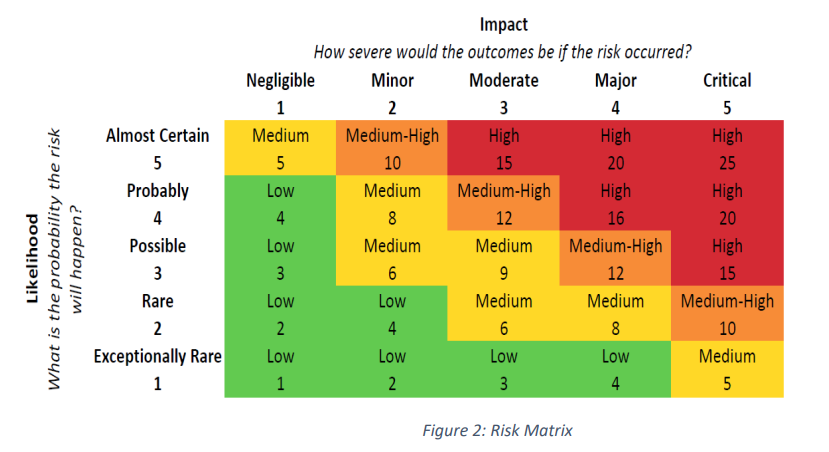
Going forward, TxDOT plans to use a Readiness Scorecard to evaluate and prioritize more than 200 potential AI use cases. Projects will be assessed based on data availability, technical feasibility, business sponsorship, impact, and ethical risk.
“This is a pivotal year for TxDOT’s AI adoption,” Williams said. “By combining strong governance, high-quality data and workforce engagement, we are positioning AI as a force multiplier that helps us deliver a safer, more reliable transportation system for Texas.”
Summary:
TxDOT Updates AI Strategic Plan to Improve Transportation, reflecting rapid advances in artificial intelligence that enhance highway safety, efficiency, and operations across Texas. The 2026 update emphasizes a human-led, AI-supported approach, integrating AI into daily workflows while maintaining ethical oversight and accountability. By prioritizing governance, workforce engagement, and data-driven decision-making, TxDOT positions AI as a strategic tool to deliver safer, more reliable transportation for all Texans.