
Working Safely Near Overhead Power Lines

Working with or near power lines can expose workers to electrical hazards, but these dangers can be avoided through safe work practices. These practical steps can prevent injuries from contact with power lines.

  • Conduct a hazard assessment to identify and address potential safety hazards before work begins.
  • Ask the electric company to de-energize and ground overhead power lines.
  • Educate workers on safety procedures and requirements.
  • Know the safe working distance for workers and equipment.
  • Use non-conductive wood or fiberglass ladders.
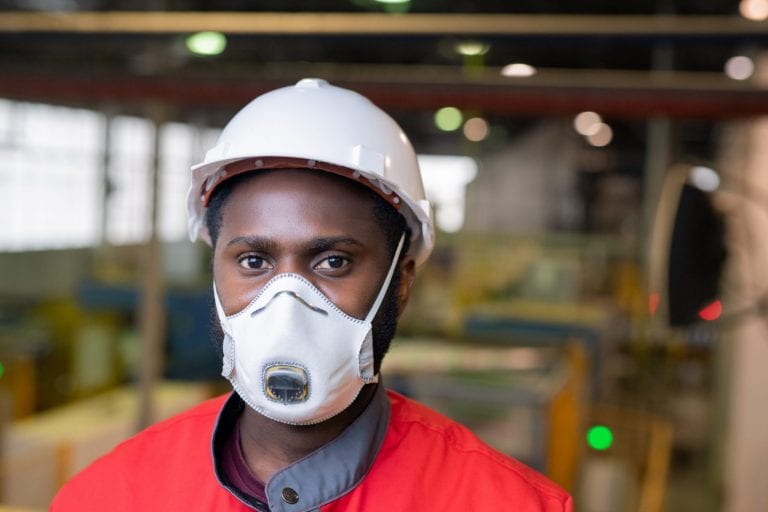
  • Wear personal protective equipment, such as rubber insulating gloves and insulating sleeves, and
  • industrial protective helmets.

For more information on recognizing hazards from energized power lines, visit OSHA’s Electrical Safety and Health Topics page. OSHA videos on electrocutions in construction show how to work safely with cranes and ladders near power lines.

Source: OSHA

Similar Posts

  • Prioritizing Worker Wellness: Combining Education and Technology for Injury Prevention

    FacebookXRedditPinterestEmailLinkedInWhatsApp Construction is risky business. According to OSHA, one in every five private sector worker deaths in 2017 (the latest year recorded) was in construction. That’s 971 fatalities. Jobsite safety precautions can address the top culprits: falls, struck by object, electrocution and caught-in/between. However, there is another danger on jobsites that gets less attention but has a…

  • UT’s Cockrell Ranks Among Top Graduate Engineering Programs Yet Again

    FacebookXRedditPinterestEmailLinkedInWhatsApp The Cockrell School of Engineering is once again among the top 10 engineering programs in the nation, finishing No. 7 in U.S. News & World Report’s 2025-2026 graduate engineering program rankings. In addition, two programs are ranked in the top five, seven in the top 10, and all programs finished in the top 20. This…

  • Prepare for Automated Construction Fleet Vehicles

    FacebookXRedditPinterestEmailLinkedInWhatsApp Technology is changing at a rapid pace, and the construction industry is not without its opportunities to automate processes and adopt the latest industry advancements. The increased availability of partially automated vehicles is the latest example of how companies everywhere can improve the efficiency and safety of their fleets. But that doesn’t mean contractors…

  • Debt Collection, Part 2: Collecting the Debt

    FacebookXRedditPinterestEmailLinkedInWhatsApp Well, you know what they say about the best laid plans. You carried out the due diligence and performed all of the required background checks, application steps, and safety protocols before extending credit. Now that individual has balked on payments, so it’s time to step up your game. In Part 1, Reducing Your Risk,…