
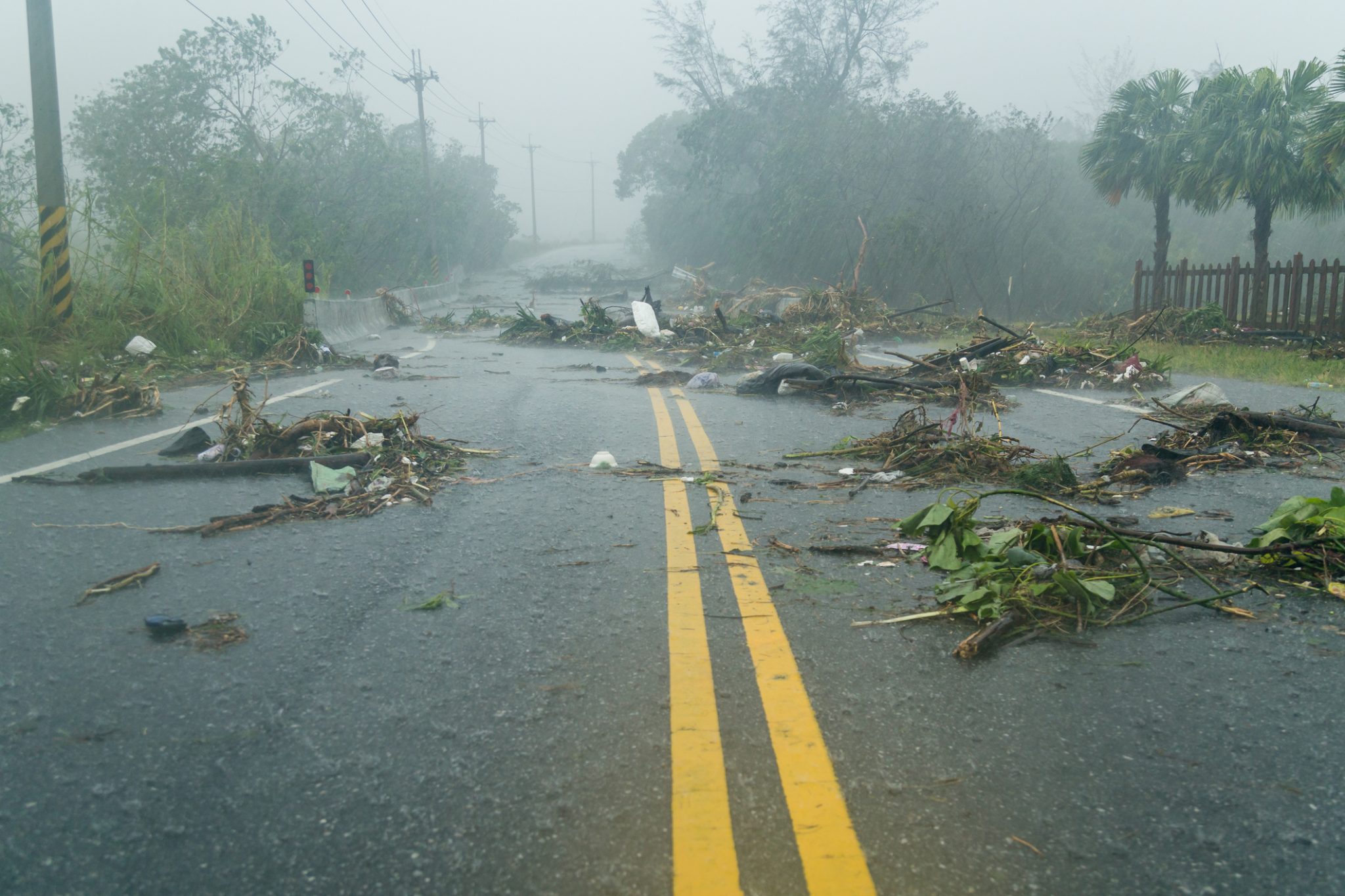
Hurricane season officially kicked off along the Texas Gulf Coast area on June 1,2020 and runs through November 2020. And while this region has experienced many thunderstorms, major floods and hurricanes over the years that wreaked havoc, Hurricane Harvey, and its aftermath in 2017, was a wake-up call still fresh in our memory that created many challenges in obtaining building permits.
After the Hurricane Harvey natural disaster, many Architects, Contractors and Project Owners were impacted by delays in permitting for various reasons. Delays from reduced staffing at Permit Centers to adjusted hours of operations at jurisdiction to unanswered emails from Plan Reviewers to dealing with stressed Permitting staff managing increased workloads are some of the cited factors.
We have heard the stories of frustrations plus have assisted Architects and Contractors to overcome hurdles to obtain their permits as quickly as possible. We know that delays cost time and money; and to help you mitigate risks in experiencing delays in Permitting before and after a hurricane, consider using the following 11 tips.
- Visit jurisdiction’s web site to review checklists and building codes related to your type of project
- Call, meet with, or conference with jurisdiction’s Plan Reviewers in advance to discuss any areas of concern with project design meeting code
- Punt assuming and review 100% plan set for compliance to building codes before submitting
- If not familiar with online permit application and package submission, watch training video, read instructions or call Permitting Center for assistance.
- If you have long lead items associated with project, plan deferred submittals in advance
- Assess impact of review times from TXDOT and private utilities; and then plan accordingly
- Review project phasing such as obtaining one building permit or separate construction project into several phases to permit as a possible approach to better meet your project timeline and budget
- Follow up with Plan Reviewers, Project Owners, and others associated with obtaining your permit.
- Respond to jurisdiction departmental review rejection comments in a timely manner
- Seek expert help, if needed
- Say “thank you” – people work with people in this industry and saying “thank you” makes a difference.
In Conclusion
Developing a permit plan for hurricane season is important to minimize delays and be positioned to start construction on time. This is particularly critical in 2020 with added factors associated with global pandemic and other community crises causing disruptions in staff concentration, impact on hours of operations, and changed access to Permitting Centers.
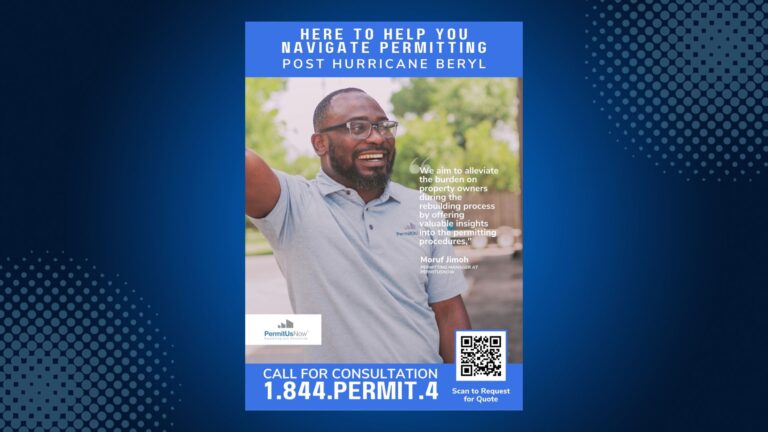
The PermitUsNow team has served commercial, industrial, and residential clients along the Gulf Coast and across Texas before and post natural disasters. If you need help creating a permitting plan with estimated costs of building permits and a general timeline, call us at 1.844.PERMIT.4 We have a proven model that works; and we are grateful to share key tips to assist your organization in obtaining permits during the 2020 hurricane season. #BuildSafe