

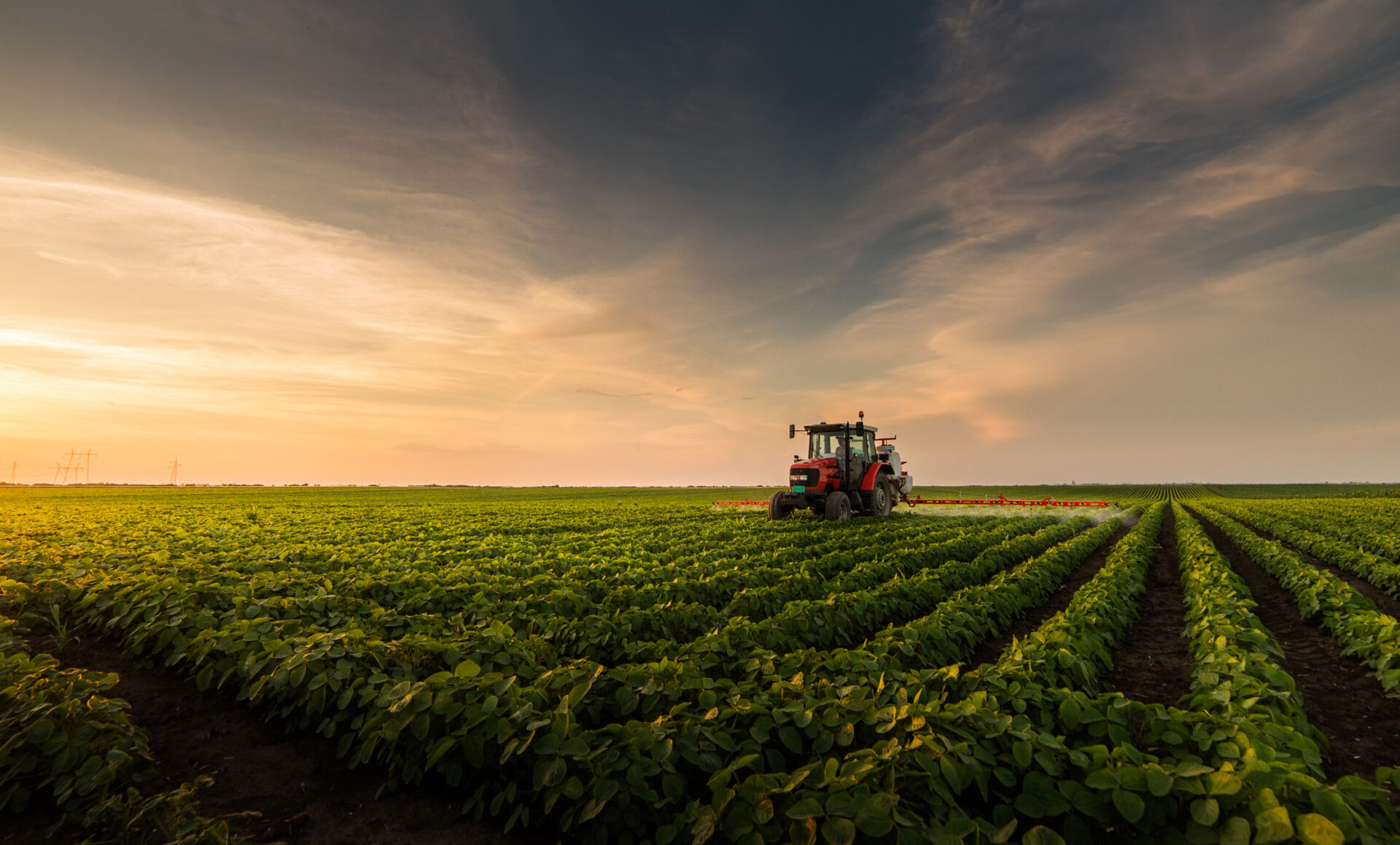
Can you imagine feeding eight billion people without tractors, fertilizers, irrigation pumps, or transportation networks?
You’d be hard-pressed to do so without oil and natural gas. Despite increased policy momentum toward alternative fuels and renewable technologies in recent years, global agriculture continues to rely on energy-dense, affordable, and scalable petroleum-based resources.
In a new article from Texas Oil & Gas Association (TXOGA) Chief Economist Dean Foreman, readers are invited to explore this essential but underappreciated truth: the world eats because it has energy.
Energy’s Unheralded Role in Feeding the World
From farm to fork, oil and natural gas are foundational to every step in the food supply chain. Foreman explores how:
- Diesel-powered machinery like tractors and combines maximizes field productivity with minimal labor
- Petroleum-derived fertilizers and pesticides are responsible for many of the yield gains in modern crop production
- Propane and other natural gas liquids (NGLs) support livestock operations and enable year-round farming across climates
- Petroleum-based plastics improve irrigation, storage, and transportation logistics
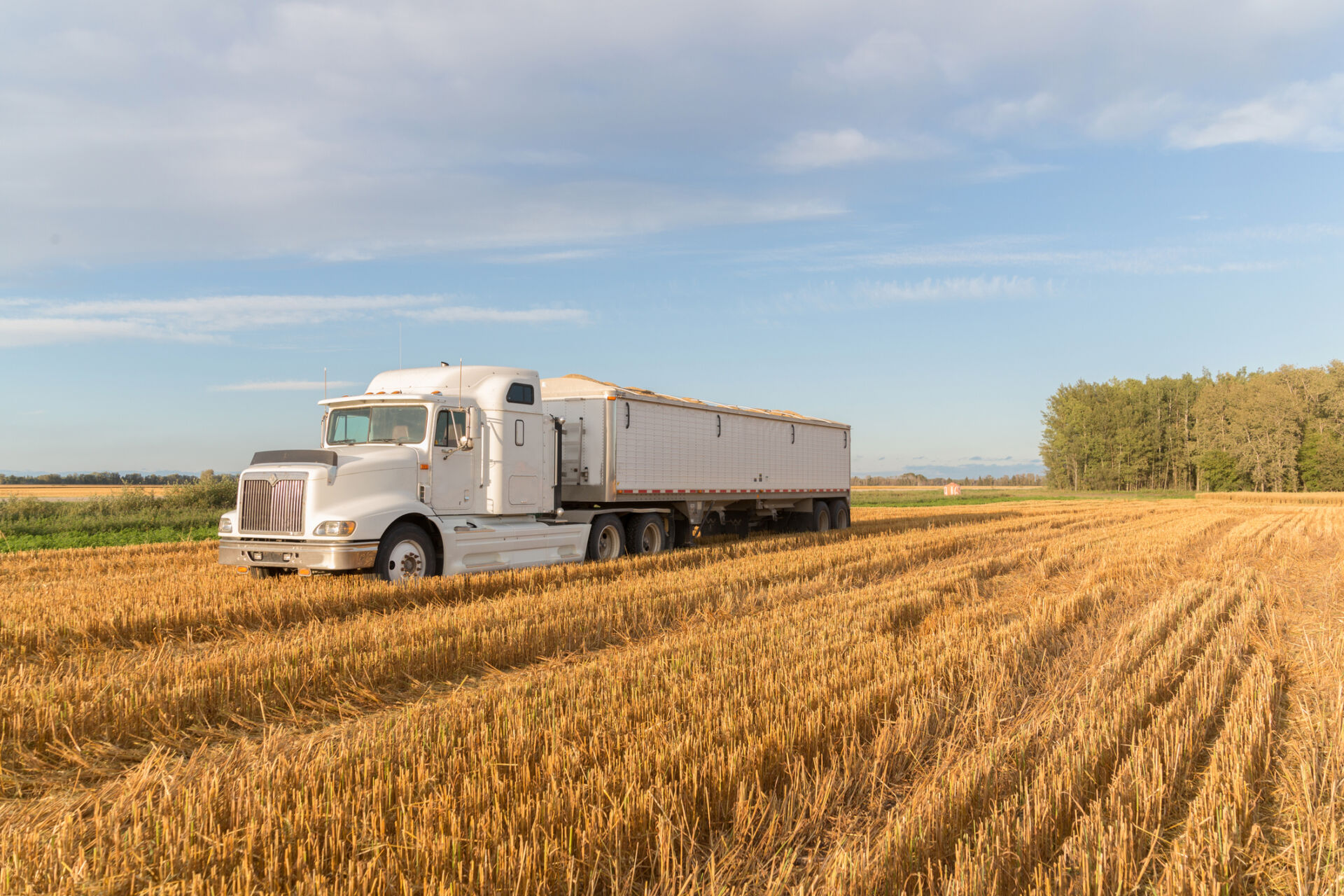
- Farm-to-market transportation—reliant on diesel-powered heavy trucks—connects farmers to regional and global markets
- Recycled water from oil and gas operations, when treated properly, could support sustainable irrigation and water stewardship in drought-prone areas.
Foreman brings this to life through a case study of “Valley Gains Farm,” a fictional but data-grounded representation of real-world farms across Texas and the nation.
What Makes This Article Unique?
Unlike most energy or agriculture discussions, which tend to focus on siloed issues, this article brings the two sectors together. It challenges the idea that fossil fuels are easily replaceable — especially in a global agricultural system built around cost efficiency, productivity, and just-in-time delivery of perishable goods.
This integrated perspective is especially relevant for students and early-career professionals in agriculture, economics, and energy. It is already being reviewed for possible inclusion in the curriculum of TCU’s Ranch Management program.
With rising global population, water scarcity, and pressure to cut emissions, the intersection of agriculture and energy is becoming more critical—and more complex. This article emphasizes the importance of realistic and informed energy policy, especially for sectors that must operate on narrow margins and maintain consistent output.
Ultimately, it serves as a reminder that sustainable progress depends not just on innovation, but also on maintaining what already works.
Source: TXOGA (Edited by Subcontractors USA)