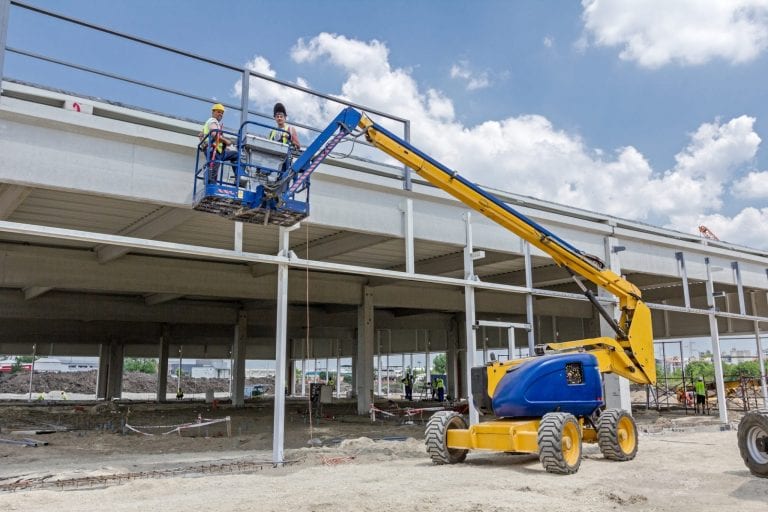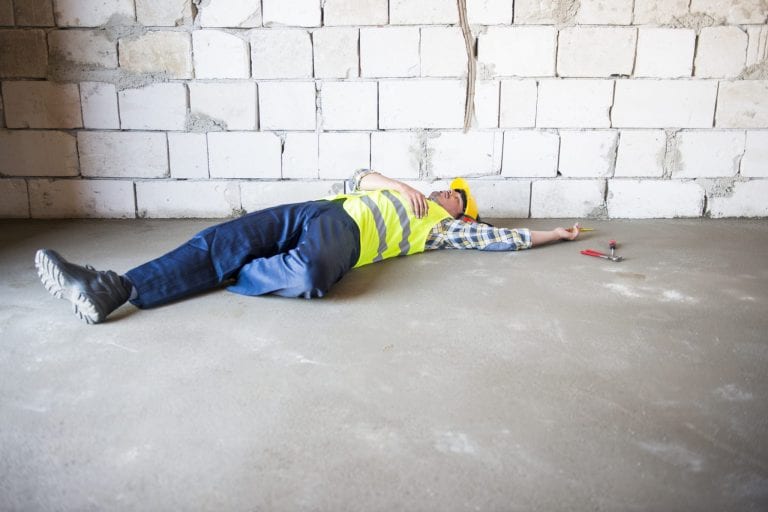

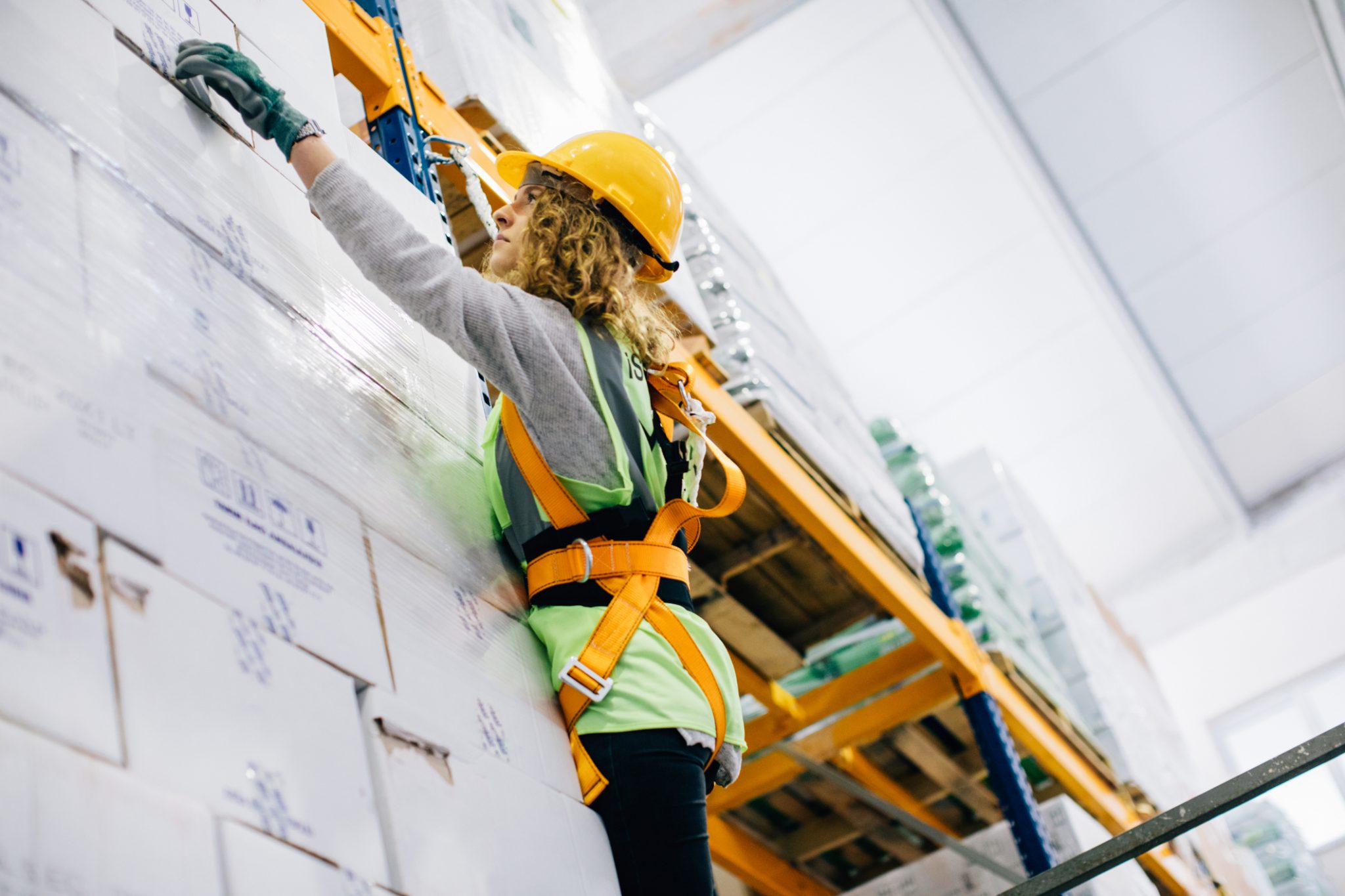
According to the Occupational Safety and Health Administration (OSHA), falls are the leading cause of private sector worker fatalities in the construction industry. Everyone who works at heights, whether it’s on a roof, scaffolding, or the edge of a tall building, should have properly fitting safety harnesses, yet not all contractors have the supply they need to better protect women in construction. To help address this, Autodesk is funding a grant program with one of the largest construction trade organizations – the Associated General Contractors of America (AGC) – to supply select, in-need member contractors with fall protection harnesses sized for women who work at heights.
The program comes at a time when 80 percent of construction firms report having a hard time filling the hourly craft positions that represent the bulk of the construction workforce. Women represent approximately 10 percent of the overall construction labor force, with even lower representation in trades positions, and one of the largest demographics with the potential to fill the gap in labor. To help attract and retain more women in the field, jobsites need to recognize and meet the needs of a gender-diverse workforce, including properly sized and comfortable PPE.
“The construction industry agrees safety must be everyone’s priority, but we also need to recognize when safety needs aren’t being met for some workers. Technology is improving jobsite safety, but it’s not a silver bullet,” said Allison Scott, head of construction thought leadership at Autodesk. “Construction is – and will continue to be – a people-driven business. The industry needs more people, and women must feel safe and welcome on jobsites if we want them to choose a career in construction. Ultimately, when we address safety for women, we improve safety for everyone.”
Ill-fitting PPE can range from uncomfortable to downright dangerous. For example, a fall protection harness that’s too loose may still catch a woman when the scaffolding beneath her collapses, but it could seriously injure her neck or shoulder in the process. This not only affects the injured worker, but her employer as well. The contractor incurs lost time, productivity and – potentially – a costly worker’s compensation claim.
“One of the most effective ways to successfully recruit more women into high-paying construction careers is to make sure firms are able to provide safety equipment that makes them even safer,” said Stephen E. Sandherr, the chief executive officer of the Associated General Contractors of America. “We want to leverage these grants to encourage our member firms to provide a wider range of safety equipment and continue to expand the diversity of our workforce.”
A top concern of contractors is the safety of their employees, and many are recognizing the shifting landscape in the construction workforce and taking steps toward a more inclusive, injury-free job site. Earlier this year, Skanska created gloves and two customized safety vests designed for women and based on feedback from its own female employees. The company plans to expand the apparel line soon to include surveyor vests and high-visibility jackets for winter.
Source: Associated General Contractors