
Taking advantage of 21st century technology, the Railroad Commission of Texas launched a statewide drone inspection team last month. Drones will help inspectors to quickly respond and inspect sites that are unsafe or inaccessible during emergencies such as fires, flooding and other natural disasters. Drones can also assist in situations, such as the current COVID-19 pandemic, where they provide an alternative to in-person inspections.
The RRC’s first drone emergency response was April 28 following reports of an incident in Reeves County west of Midland. The affected area could not be physically inspected because the road to the site was under water.
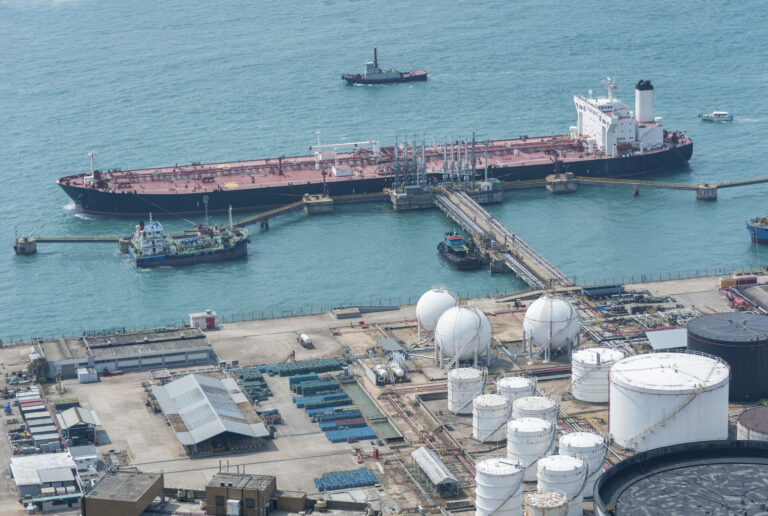
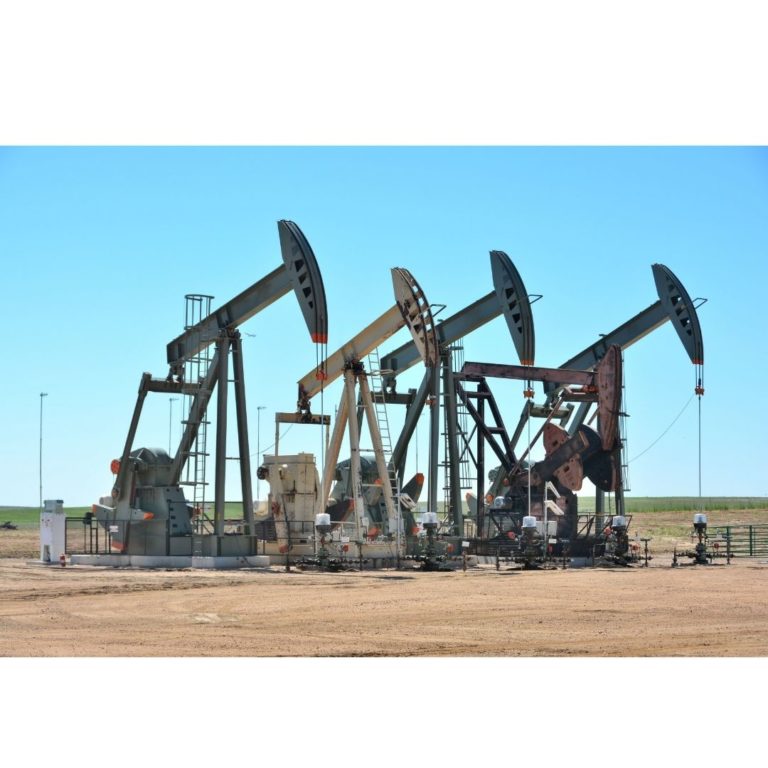
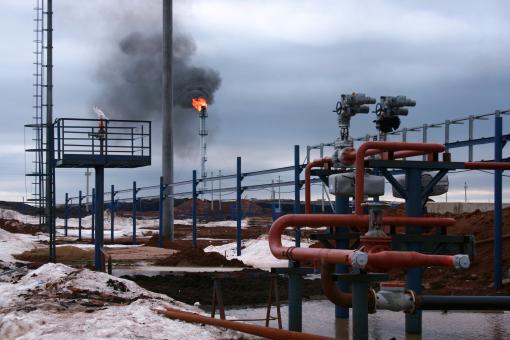
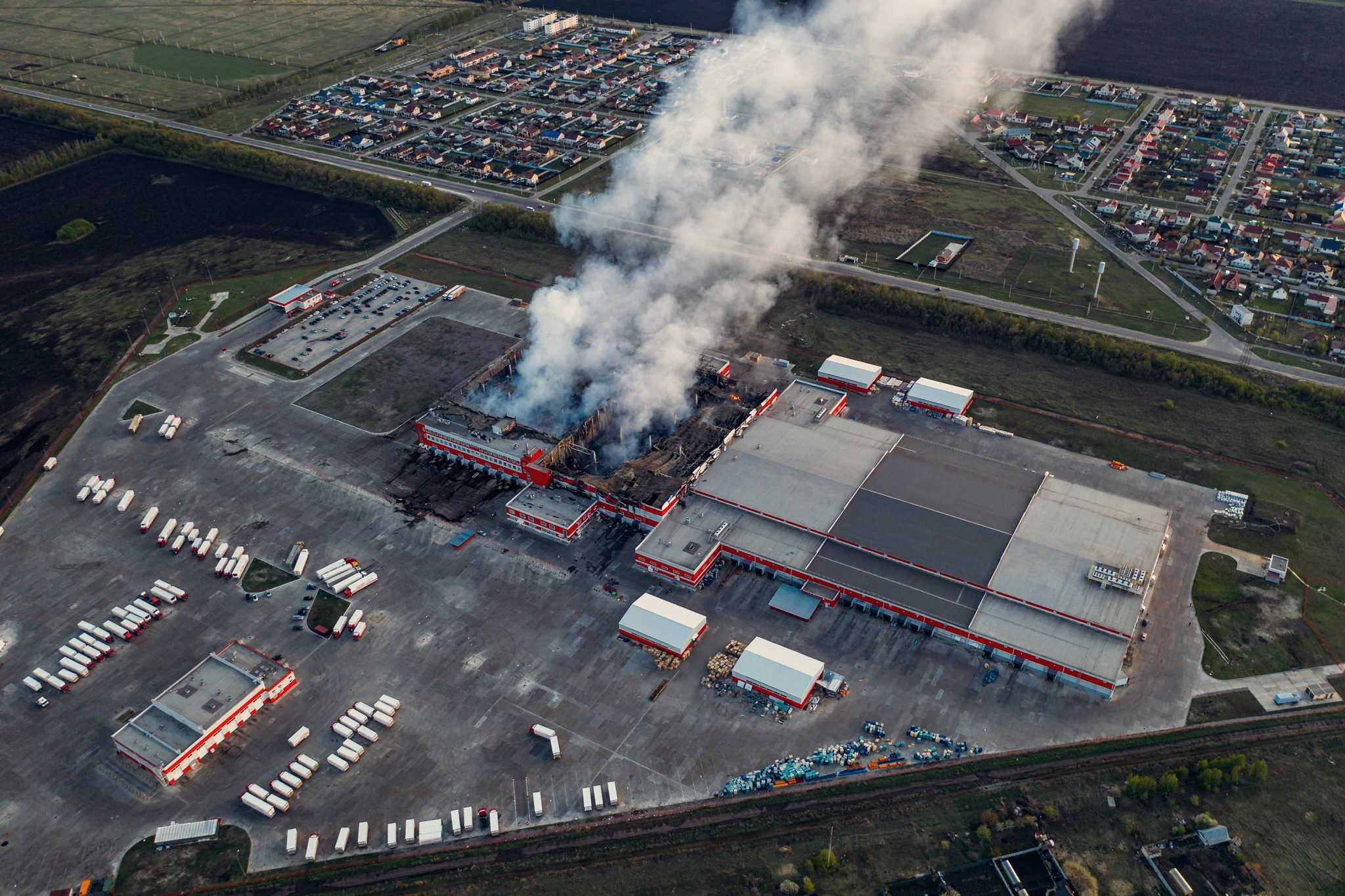
A licensed RRC pilot launched a drone and determined a possible source of release using aerial and thermal images. The operator was contacted to immediately remediate the site. Several drone images from the response are below.
“Our very first flight mission in Reeves County is a great example of how drones will enable inspectors to do their jobs quickly and safely in emergencies, which ultimately helps further protect residents and the environment,” said RRC’s Executive Director Wei Wang. “Whether it’s through information technology or other new tools, the Commission has always been looking at ways to enhance our operational efficiency. With drones, our inspectors can now immediately monitor well blowouts, oil spills, and other emergency incidents, and quickly cover large areas of ground in responding to those situations where time is of the essence.”
Nineteen inspectors in the agency’s Oil and Gas Division and Surface Mining and Reclamation Division (SMRD) have received remote pilot certification from the Federal Aviation Administration.
Beginning this summer, SMRD will use drones for emergency responses and inspections. Drones can document the progression of mining in active operations which can change drastically from month to month. Aerial images will also help in the oversight of reclamation activities in previously mined areas.
The RRC’s drone program will operate in compliance with the Code of Federal Regulations as well as state laws established to ensure safety and the protection of individual and property owners’ privacy.
The RRC is also a member of the State Emergency Operations Center. The agency’s drone fleet can be a critical resource in helping state emergency response by providing aerial views of inaccessible areas.
A list of frequently asked questions (FAQ) and answers is also on the RRC’s Drone Program page at https://rrc.texas.gov/about-us/organization-activities/drones/.
Source: Texas Railroad Commission